The Lime Soap Method for Antique Floors: What It Is and When to Use It
Lime soap is a traditional method for cleaning and protecting antique natural stone floors. It is not suitable for everything, but works well on the right floor.
DecoStone Natuursteen
Natural stone specialist · Amsterdam
Table of contents
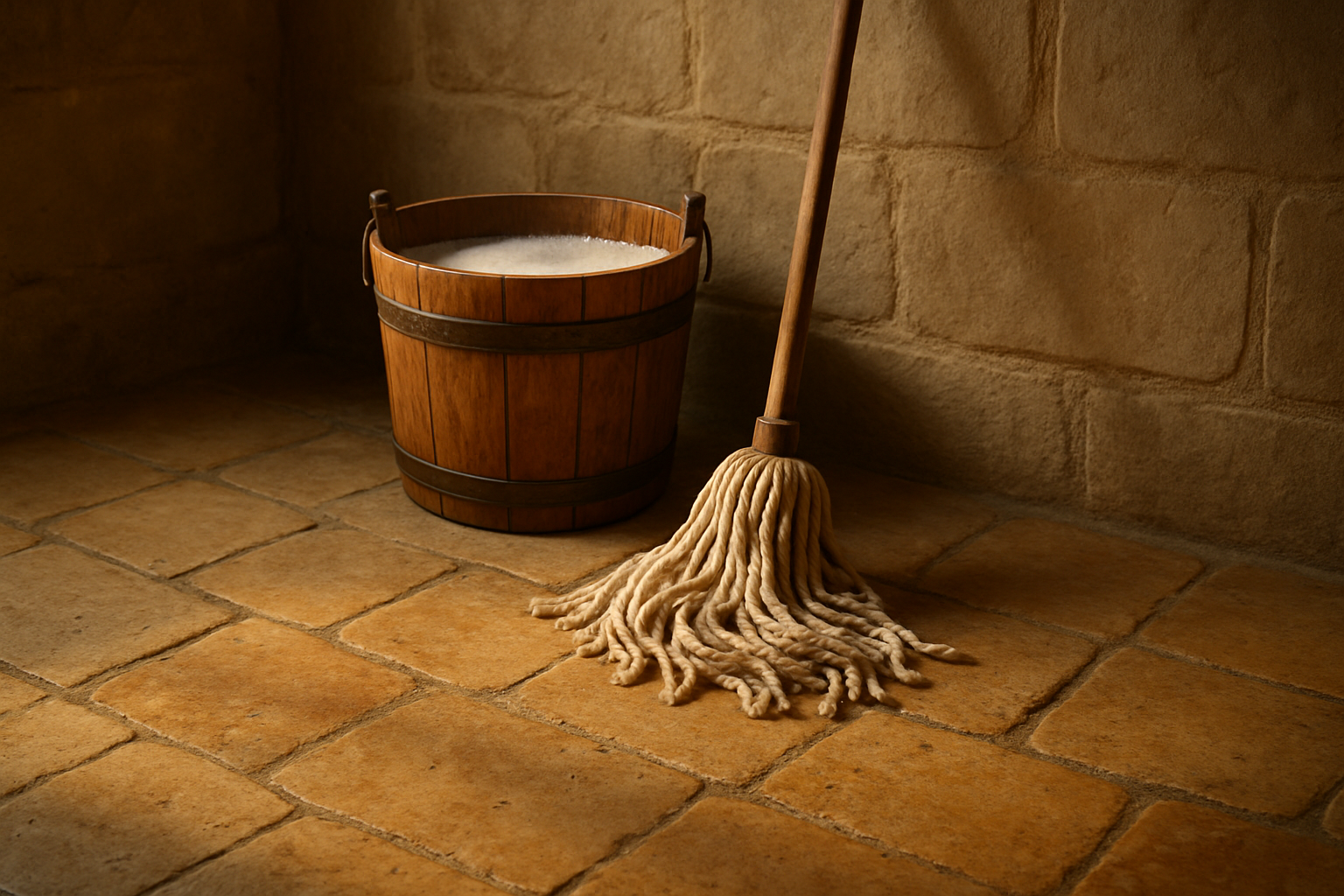
A centuries-old method
Lime soap is not a new product. In the centuries before synthetic floor coatings, antique limestone, terracotta and bluestone were treated in exactly the same way as they are today. Lime soap cleans, protects and builds a patina over the years that makes the material more beautiful.
That is exactly why it does not work on modern synthetic materials — and why it works so well on the right antique stone.
What is lime soap?
Lime soap is an alkaline soap based on potassium hydroxide (potash) and plant fats or oils. It has a pH of 9 to 11 — mildly alkaline, but not aggressive. Well-known brands in the professional restoration market include Woca, Rubio Monocoat Floor Soap and RMC products, while traditional black soap (savon noir) falls into the same category.
Its action is twofold:
- Cleaning: lime soap removes grease, caked-on dirt and surface contamination without attacking the surface layer
- Protection/nourishment: the soap penetrates slightly into the stone and leaves a thin protective layer that closes the surface and gives gloss or matt depth
Which floors is lime soap suitable for?
Lime soap is suitable for:
- Terracotta — the classic application; lime soap and terracotta were made for each other
- Antique limestone (Burgundy stone, Rode Vosbergen, Belgian bluestone with patina)
- Antique slate with a matt, natural finish
- Bluestone already treated with oil or wax where the patina should be preserved
- Flat-honed or bush-hammered Belgian bluestone floors
Lime soap is not suitable for:
- Polished marble floors (the soap cannot bond properly to a polished surface)
- Granite (surface too closed)
- Coated or lacquered floors (the soap does not penetrate, but sits on the coating)
- Synthetic materials
How do you apply lime soap?
Preparation
A clean, grease-free surface is the basic requirement. All previous wax layers, coatings or protectors must have been removed — or you must be certain that the stone has only ever been treated with lime soap.
For a “new” antique floor (just laid or just stripped):
- Clean with a dedicated base cleaner or degreaser
- Let dry completely — at least 48 hours
- Check whether the stone is porous enough with a drop of water: if it soaks in, the stone is ready
Application
- Dissolve lime soap in lukewarm water — follow the dosage on the packaging, but expect 1 to 2 tablespoons per bucket (5 litres)
- Apply the solution with a mop or brush and work in small areas
- Work the soap in well with a scrubbing machine or manually with a stiff brush
- Remove excess with a clean mop or squeegee — the floor does not need to be rubbed dry
- Let dry — depending on temperature and ventilation, 30 minutes to 2 hours
Frequency
Daily maintenance: a diluted lime-soap solution as mopping water — one cap per bucket is enough. This keeps the protective layer intact and gradually builds a patina.
Intensive treatment: treat the floor with a stronger solution 2 to 4 times a year, depending on use and wear.
The patina effect: patience pays
The special thing about lime soap is that the result after one treatment is only a preview. The real patina develops over months and years of regular use. The floor becomes more even, richer in colour and gains the warm sheen that cannot be imitated with a ready-made coating.
This is the opposite of modern coatings, which give an immediate final result but fade or flake over time. Lime soap improves with age.
Common mistakes
Using too much soap. Lime soap is highly concentrated. Too much soap leaves a white haze that is difficult to remove. Always dilute properly.
Combining with other products. Never use vinegar, all-purpose cleaner or acidic products on a floor treated with lime soap. The alkaline layer is immediately affected.
Not stripping completely before the first treatment. Lime soap applied over an old wax layer will not penetrate and will not give a good result.
Treating polished floors. On a mirror-gloss marble floor, lime soap looks wrong and gives no protection. Wrong tool, wrong job.
Result
An antique floor treated regularly with lime soap needs hardly any other protection. The stone remains breathable, the patina grows, and maintenance becomes easier over the years rather than harder. That is the difference from a coating: a coating has an end point; lime soap is a cycle.
For anyone who has an antique floor and wants to preserve it as intended, this is the method.
Need help?
Unsure about the right approach, or want to know what is possible? Send us a photo via WhatsApp and we will give you honest advice — without obligation.
Want to be sure which treatment is safe?
Send photos of the surface, room and problem. DecoStone assesses the material, damage pattern and risks before advising on a treatment or quotation.
Related articles
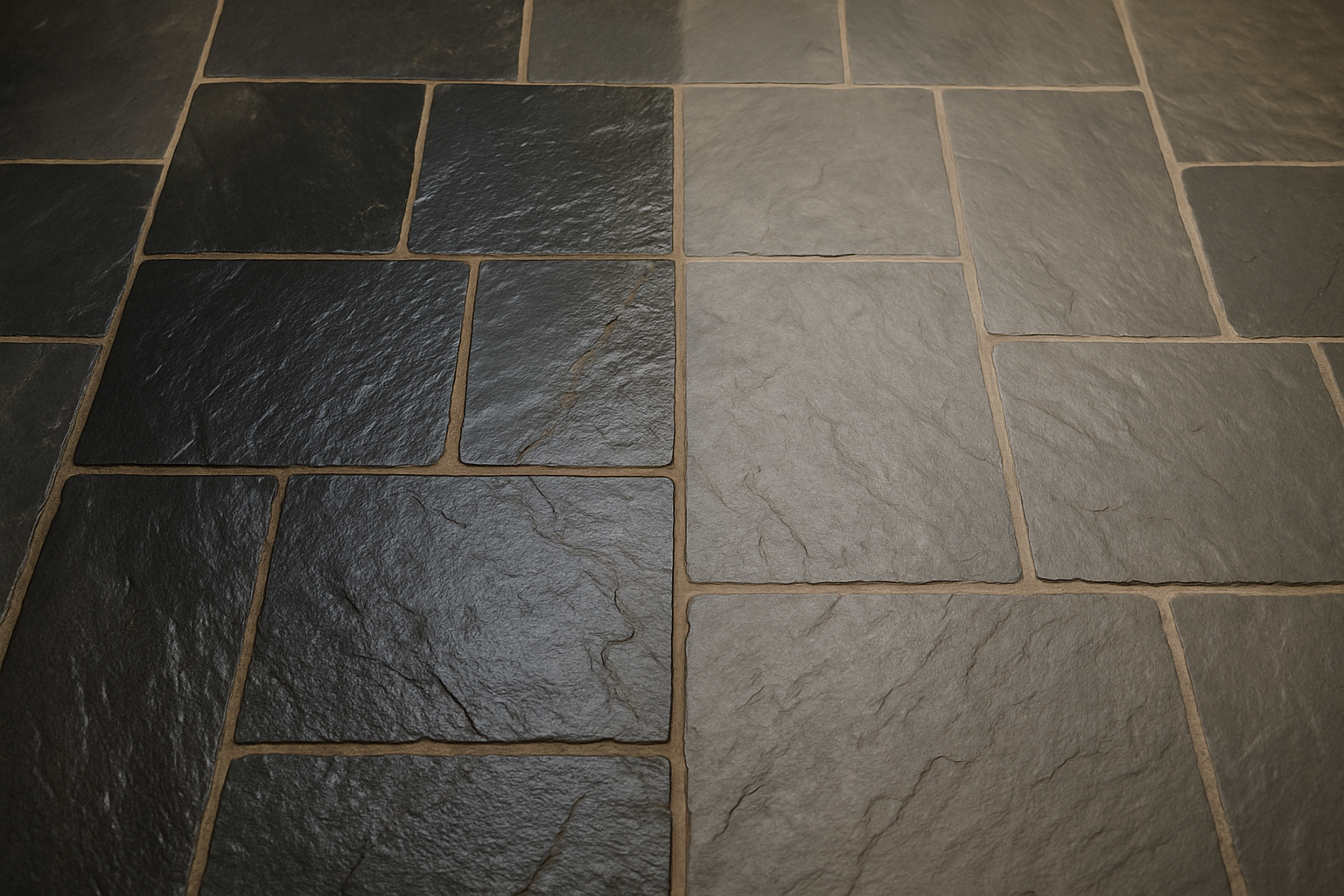
Slate Maintenance: Oil or Impregnate — Which Works Better?
Slate needs a different approach from marble or bluestone. Oiling and impregnation each give a different result. What you choose depends on the application.
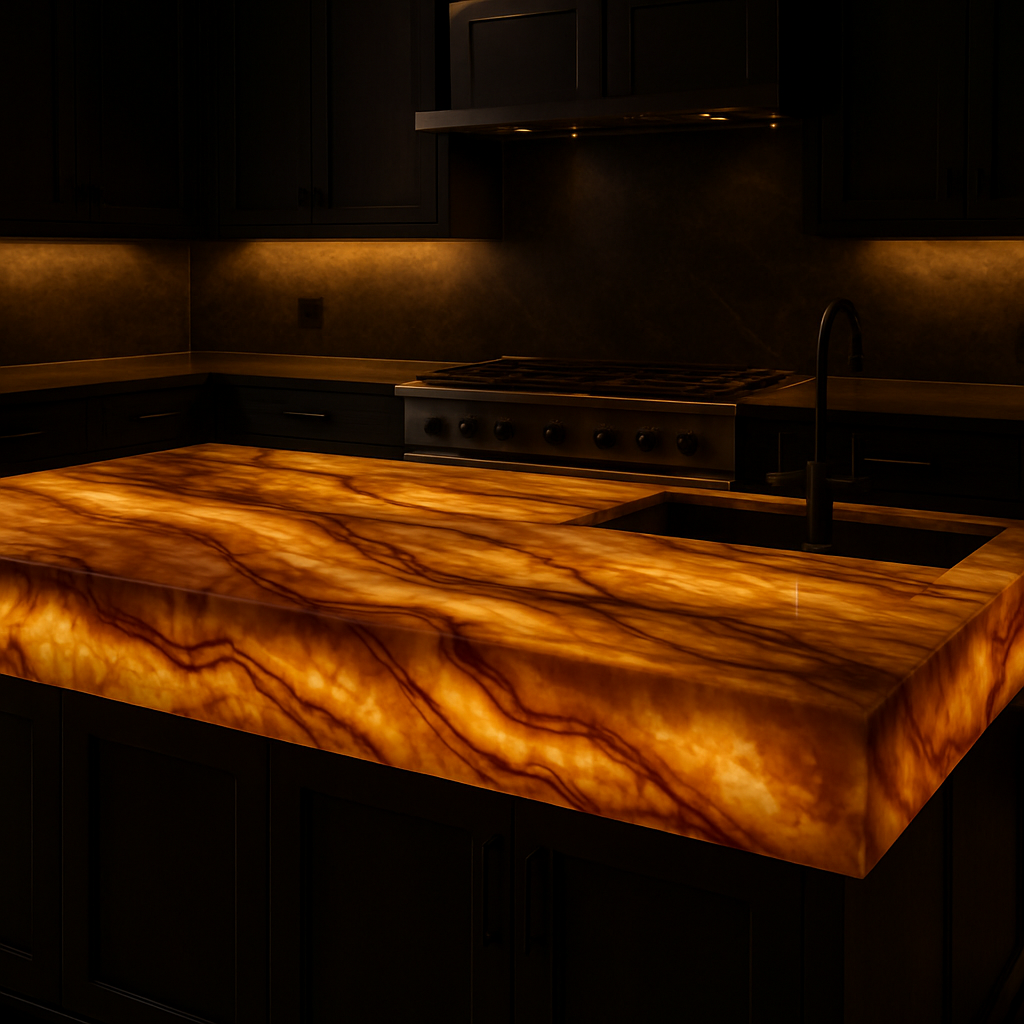
Onyx Worktop Maintenance: How to Keep This Special Material at Its Best
Onyx is one of the most spectacular, but also most demanding, natural stones. These are the rules you need to know to enjoy it for years.
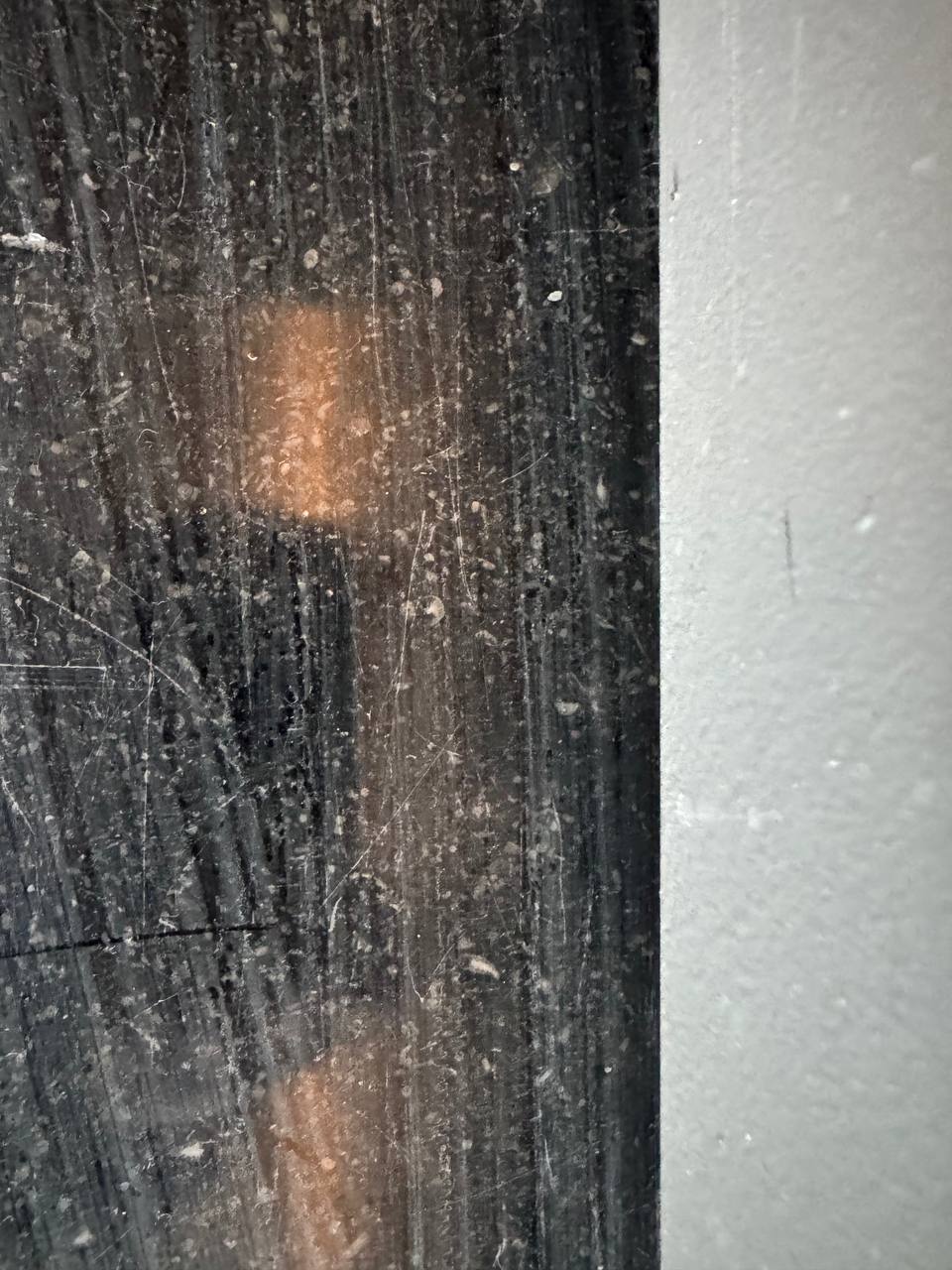
Scratches in Bluestone from Vacuum Cleaning: Cause, Recognition and Prevention
Why a vacuum cleaner with a metal or hard nozzle causes scratches in Belgian bluestone, how to recognise the damage and what you can do about it.