Slate Maintenance: Oil or Impregnate — Which Works Better?
Slate needs a different approach from marble or bluestone. Oiling and impregnation each give a different result. What you choose depends on the application.
DecoStone Natural Stone
Natural stone specialist · Amsterdam
Table of contents
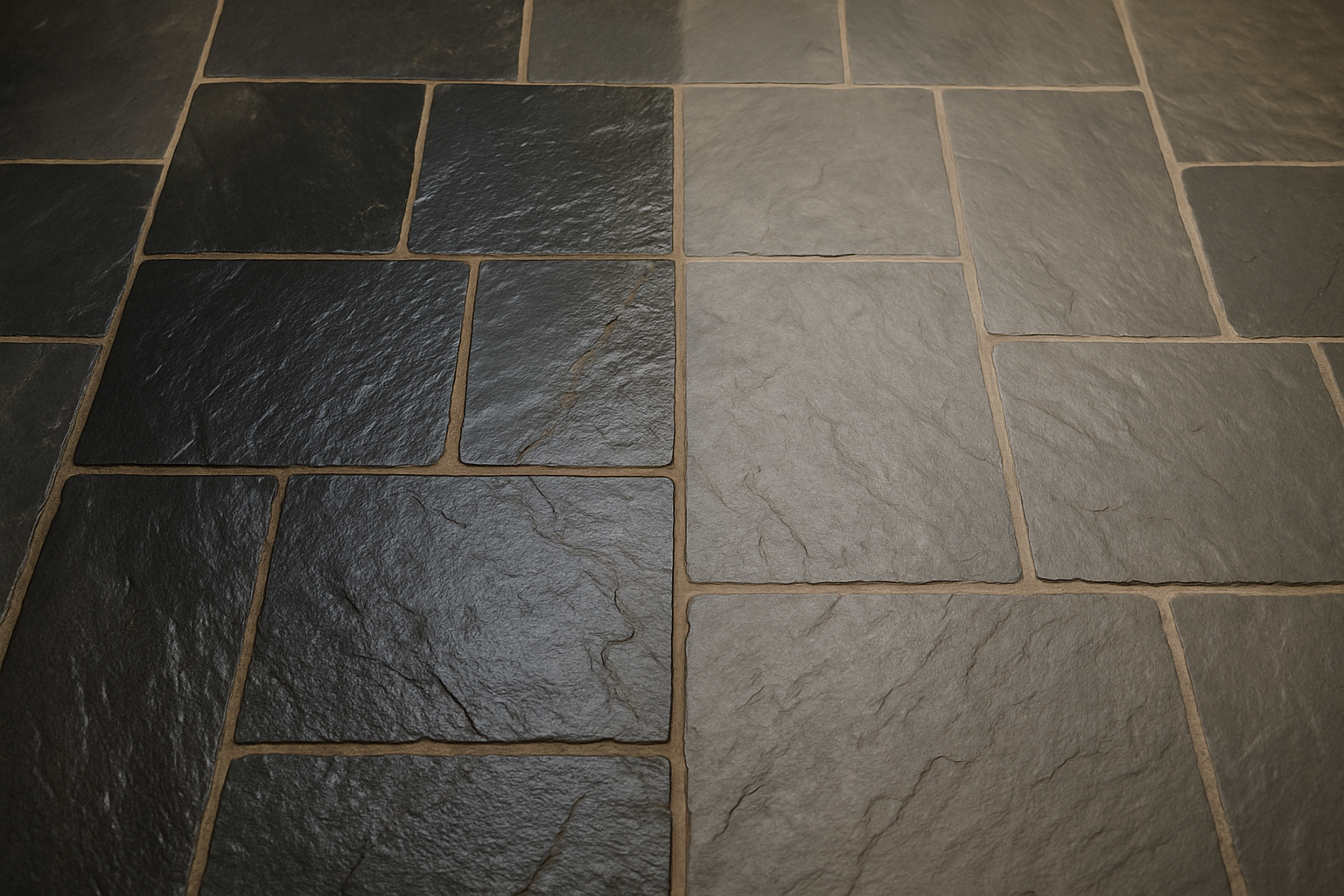
Slate is not an ordinary stone
Slate behaves differently from most other natural stones. It is a layered metamorphic rock — and that layering makes it sensitive to moisture absorption as well as to the way it is treated. Choose the wrong approach and you can be dealing for years with white efflorescence, flaking layers or a surface that always looks greasy.
The difference between oiling and impregnating is greater for slate than for bluestone or marble. Both methods protect, but in fundamentally different ways.
What does an oil do?
An oil-based stone treatment — such as linseed oil, tung oil or a special slate treatment oil — penetrates the stone and partially fills the pores. The result is a darker, richer colour effect (also called a “wet look”) and a surface that attracts stains less quickly.
Advantages of oiling:
- Gives slate a beautiful, deeper colour
- Flexible to maintain: if worn, it can be treated again without complete stripping
- Hides small stains better because of the darker tone
- Pleasant matt appearance
Disadvantages:
- Oil needs to be renewed occasionally — depending on use and location, every 1 to 3 years
- On outdoor terraces, the oil’s protection breaks down faster through rain and temperature changes
- Some oils permanently darken the stone; always test on a small area
What does an impregnator do?
An impregnator (also called a hydrophobic treatment) works differently: it penetrates the pores and lines them from the inside, without significantly changing the colour or appearance of the stone. Water and oil are repelled because the pores are protected, but the surface has no gloss and the colour remains almost the same.
Advantages of impregnation:
- Colour remains neutral — no wet look if you do not want one
- Protects well against both water-based and oil-based stains
- Longer service life than oil: 3 to 8 years may be possible indoors
- Ideal for lighter slates where you want to preserve the natural look
Disadvantages:
- Does not hide stains — everything remains as visible as on untreated stone
- If the impregnator is completely worn away, the stone can absorb more than before (the pores are then empty and open)
- Requires a completely clean, grease-free stone as a base — an impregnator adheres poorly or not at all to greasy or previously oiled slate
Which should you choose?
This depends strongly on the application:
| Situation | Recommendation |
|---|---|
| Indoor floor, dark slate | Oil — deepens the colour beautifully |
| Indoor floor, light slate | Impregnator — colour remains natural |
| Outdoor terrace | Oil or special outdoor impregnator (UV-resistant) |
| Kitchen splashback | Impregnator with extra grease-repellent action |
| Bathroom / wet area | Impregnator with water-repellent action |
| Shaded terrace / moss-sensitive | Outdoor impregnator combined with an algae-inhibiting product |
The order makes the difference
A mistake I regularly see: someone impregnates slate that has already been oiled, or the other way around. That does not work. Oil and impregnator do not tolerate each other well.
Correct method:
- Clean the stone thoroughly — all grease, dried-on dirt and previous treatments must be removed
- Let the stone dry completely (24 to 48 hours minimum)
- Apply the chosen treatment to dry, clean stone
- The first treatment is always the “virgin” one — let it soak in well
- With oil: apply a second coat after 30 minutes and wipe off excess
- With impregnator: one coat is usually enough, but check the product packaging
What can you realistically expect?
No treatment makes slate stain-proof. That is a misunderstanding worth clearing up.
- Oil gives you more time to wipe up stains before they penetrate — but a glass of red wine left for ten minutes will always leave a trace
- Impregnator repels water, but a greasy oil puddle on a kitchen plinth that you only notice after an hour can still soak in
- Treating outdoor slate with oil or impregnator extends its life and reduces soiling, but terrace slate will age visibly — that is part of the material
Realistically, a good treatment extends maintenance intervals and makes daily cleaning much easier. You should not expect more than that.
Practical tips for daily maintenance
- Always use a pH-neutral cleaner — slate is sensitive to acids (vinegar, citric acid) and to strong alkalis
- Dry slate quickly after cleaning; standing water can get under the top layer and cause delamination in layered slate
- Never scrape slate with a metal tool — the soft layers can flake off
- For outdoor terraces: a pressure washer at low pressure (max. 50 bar) is possible, but keep the jet at an angle — not straight onto the stone
Need help?
Are you unsure which treatment suits your slate, or is the coating on your stone due for replacement? DecoStone advises on site and carries out tailored treatments. Contact us without obligation.
Want to be sure which treatment is safe?
Send photos of the surface, room and problem. DecoStone assesses the material, damage pattern and risks before advising on a treatment or quotation.
Related articles
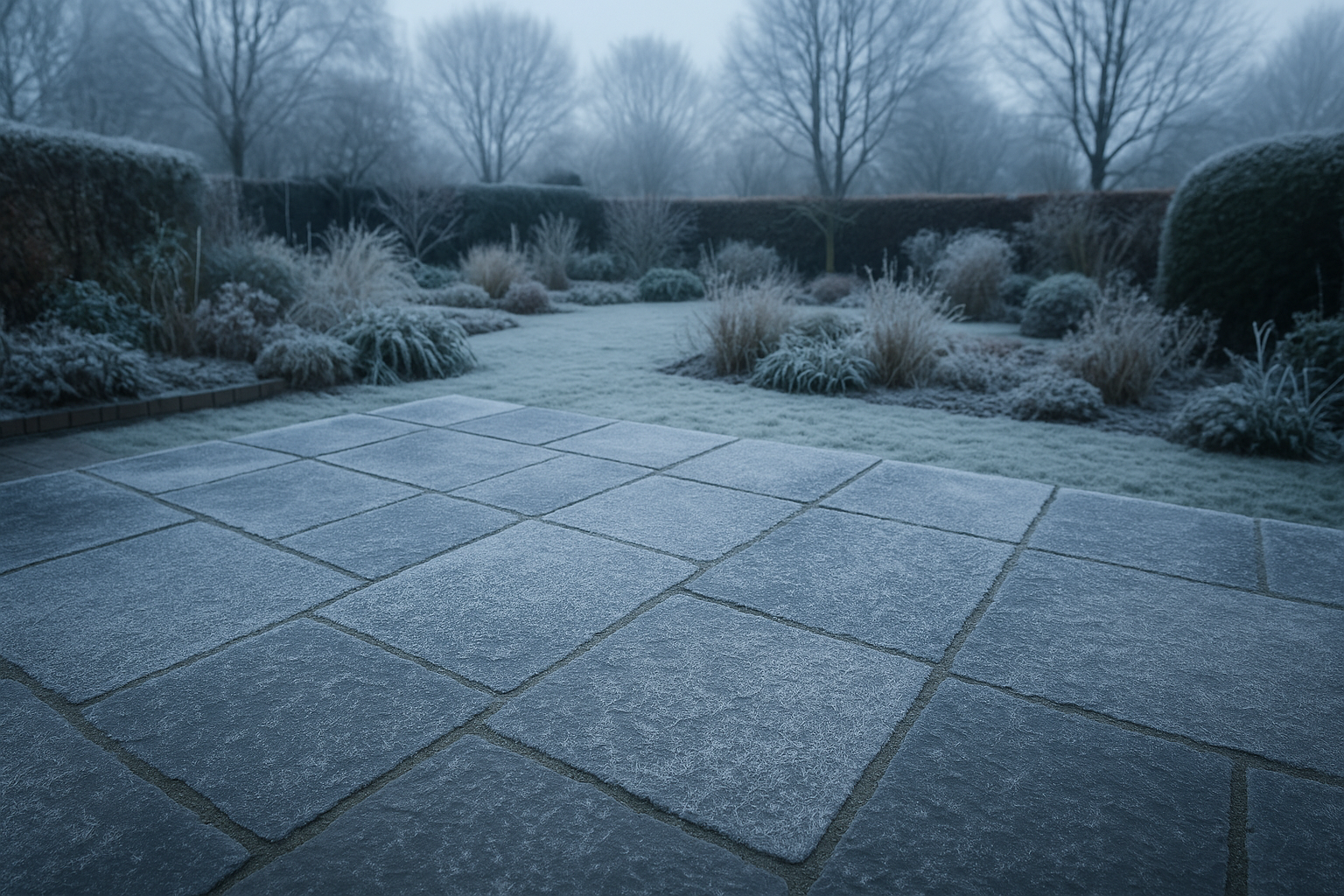
Preparing Outdoor Natural Stone for Winter: What Works and What Does Not
Frost damage to slate terraces, bluestone or limestone paving can often be prevented. But not with every product, and not always completely. An honest guide.
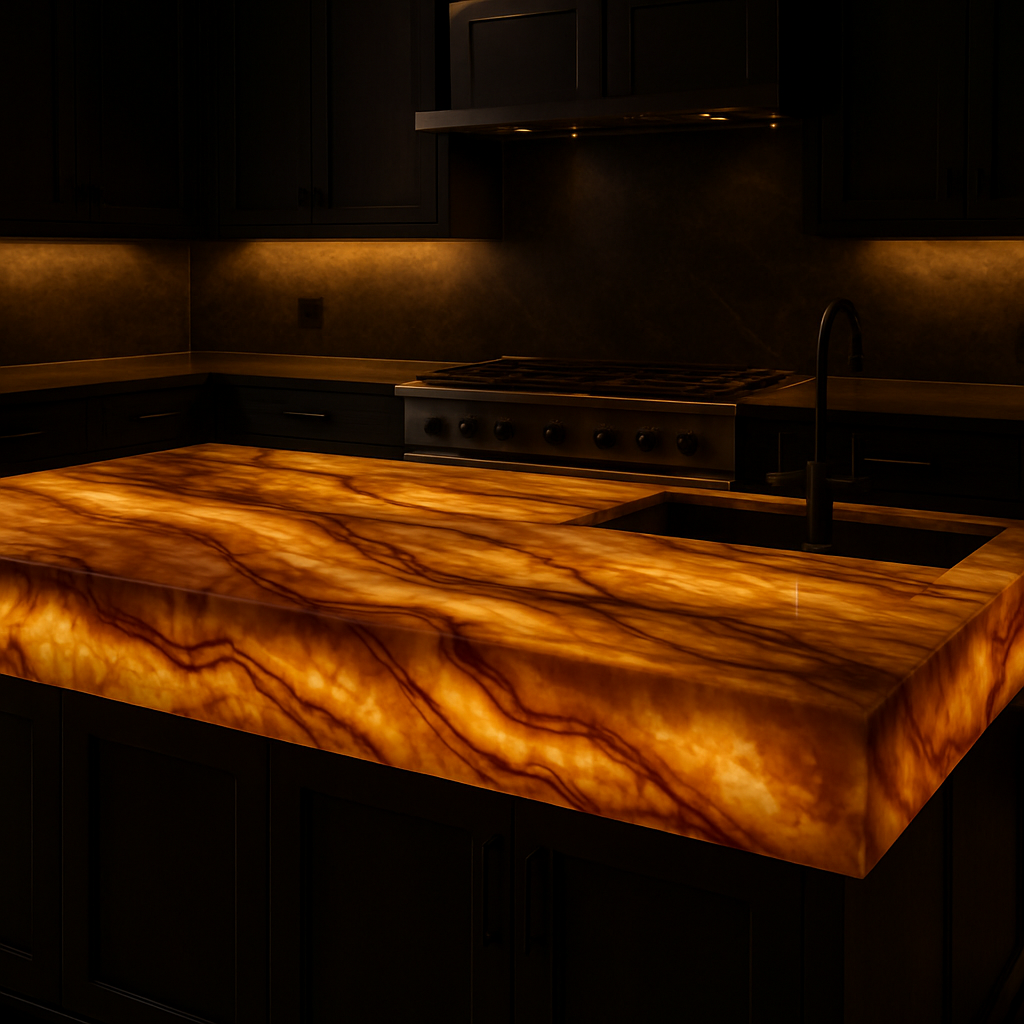
Onyx Worktop Maintenance: How to Keep This Special Material at Its Best
Onyx is one of the most spectacular, but also most demanding, natural stones. These are the rules you need to know to enjoy it for years.
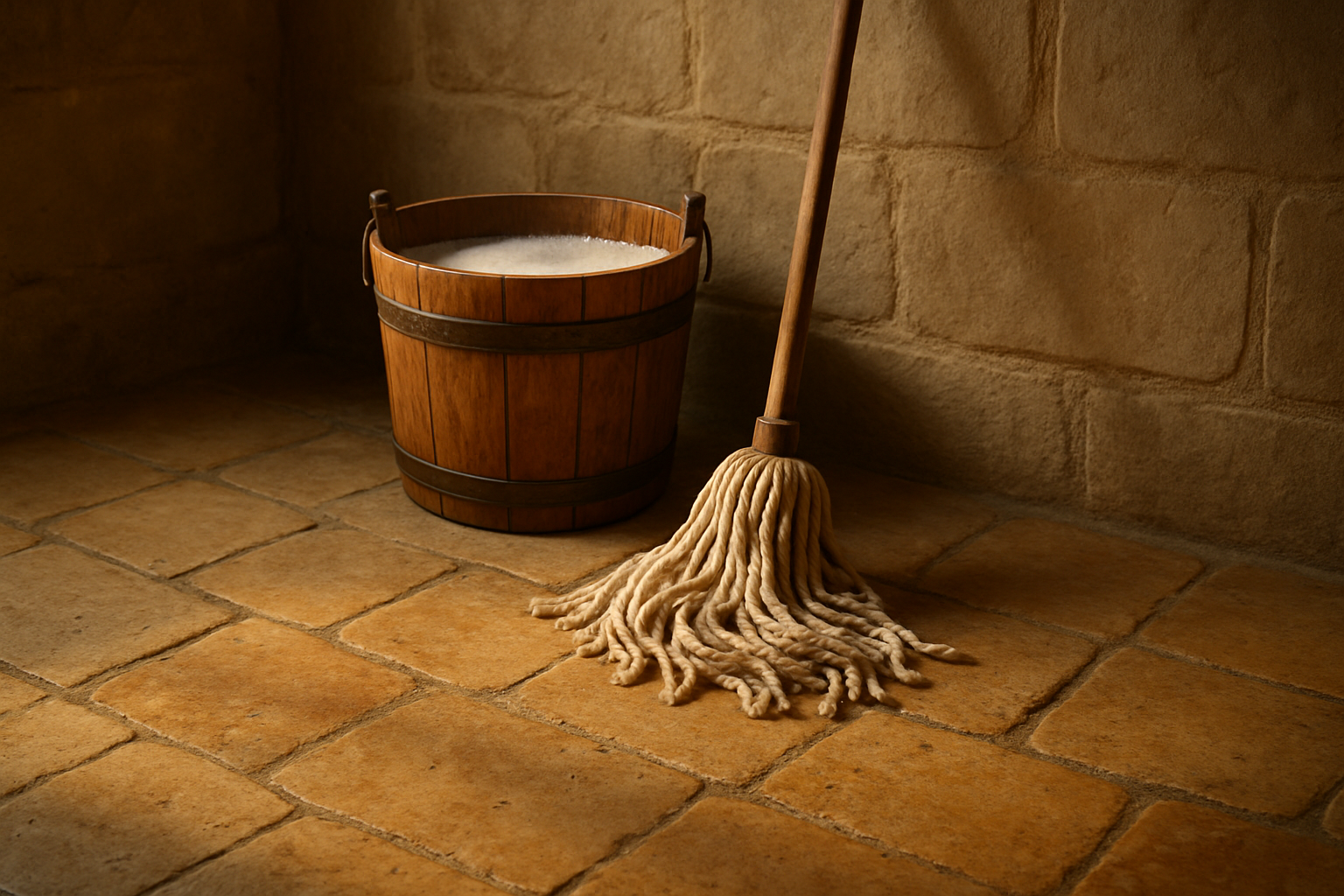
The Lime Soap Method for Antique Floors: What It Is and When to Use It
Lime soap is a traditional method for cleaning and protecting antique natural stone floors. It is not suitable for everything, but works well on the right floor.