Preparing Outdoor Natural Stone for Winter: What Works and What Does Not
Frost damage to slate terraces, bluestone or limestone paving can often be prevented. But not with every product, and not always completely. An honest guide.
DecoStone Natuursteen
Natural stone specialist · Amsterdam
Table of contents
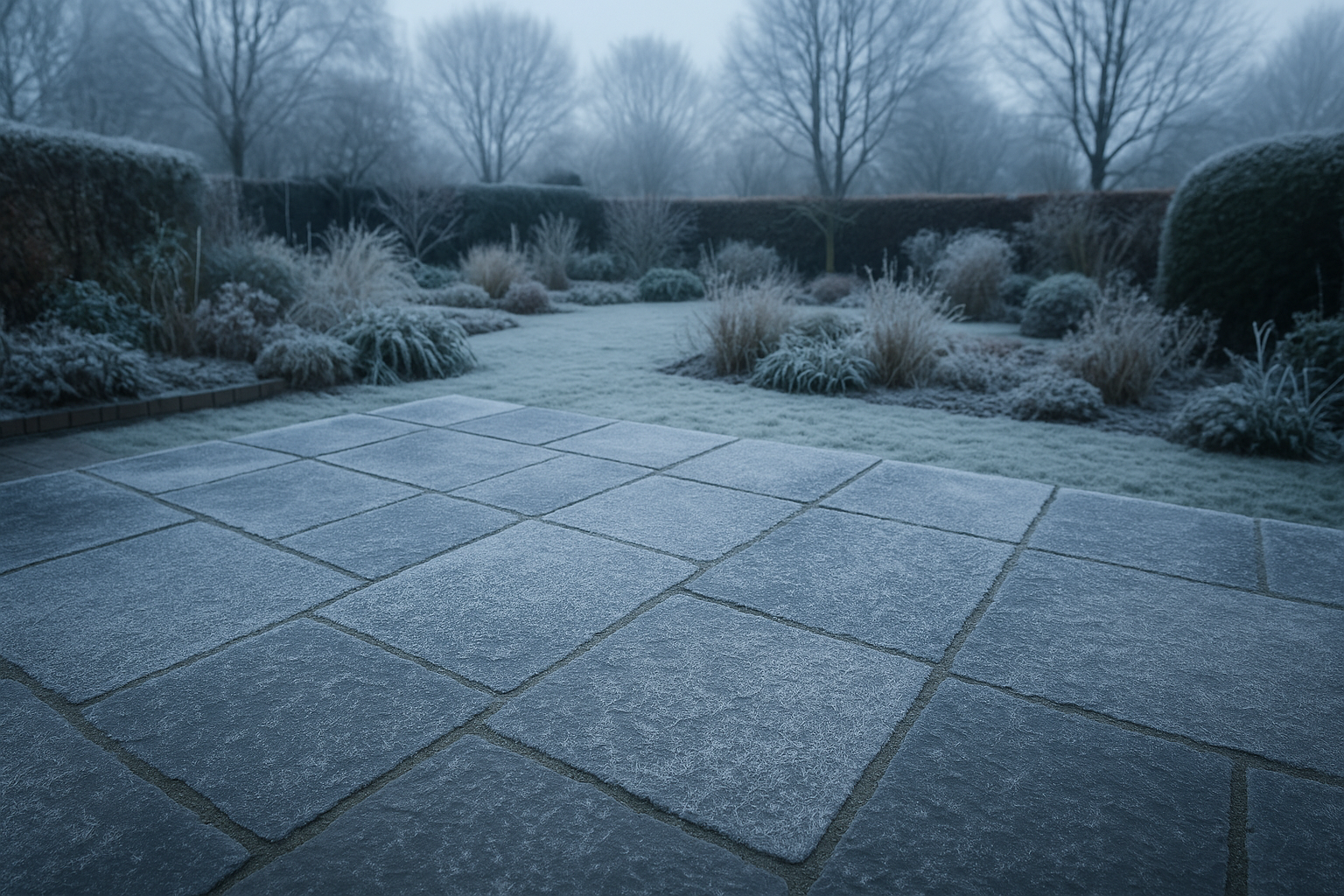
Why frost is dangerous for natural stone
Water expands when it freezes — everyone knows that. What is less widely understood is how this works inside a porous stone.
Terrace stone always absorbs a certain amount of water. In untreated or poorly impregnated stone, that amount can be significant. When the water freezes, its volume increases by about 9 percent. Inside the pores of the stone, that creates pressure from within. Softer stones and stones with higher porosity are most sensitive: the stone can crack, burst or flake.
Not every stone is equally sensitive. Granite, with its low porosity, is hardly affected by frost. Slate, certain limestones and porous sandstone-like materials are more vulnerable.
Step 1: Clean before winter
The biggest mistake people make is impregnating straight away without cleaning. Caked-on dirt, moss, algae or residues from previous treatments block the pores and prevent the impregnator from penetrating properly.
When should you have your natural stone impregnated? The complete guide
Clean your terrace thoroughly in autumn:
- Remove moss and algae with a dedicated algae remover — allow the full dwell time
- Clean the terrace with a pH-neutral stone cleaner and a stiff brush
- Rinse well with clean water
- Let the stone dry completely for at least 24 to 48 hours
Only after this step does it make sense to apply a protective treatment.
Step 2: Impregnate or treat
A good winter impregnator works like this: it penetrates the pores and makes them water-repellent. Water then beads off instead of soaking in. Less water in the stone means less damage during frost.
What works:
- A silicone-based impregnator for outdoor use
- An oil-based treatment that fills the pores, especially for slate and certain types of bluestone
- Specific frost protectors for porous limestones
What does not work:
- A layer that is too thin and does not fully penetrate
- Applying impregnator to damp stone — the treatment will not bond properly
- Treating at temperatures below 5°C — the chemical bond does not form well
- Using indoor products outside — UV resistance and water resistance are completely different
Joints: just as important as the stone itself
A point often forgotten: damaged or porous joints are at least as problematic as untreated stone. Water that enters under the slabs through the joints can disrupt the base during frost or lift the slabs.
Check in autumn:
- Are there open joints?
- Are cracks visible in the jointing?
- Does water get under the slabs when it rains?
Repair the joints before winter. Outdoors, always use a jointing mortar suitable for exterior use and frost-resistant conditions.
What can you realistically expect?
A treated terrace gets through winter better than an untreated one. But “treated” is not a guarantee:
- In extreme frost (-15°C and colder, combined with freeze-thaw cycles), even well-treated slabs can suffer damage — especially older stones or stones with existing microcracks
- A terrace that has been untreated for years may already have internal damage that only becomes visible after a severe winter
- New stones that are properly impregnated before first use almost always survive winter without problems
With good autumn preparation, you significantly extend the life of your terrace and prevent frost damage in the majority of cases. No product can guarantee that nothing will ever happen — and anyone who claims otherwise is overstating it.
De-icing salts: never on natural stone
A separate warning: never use road salt or de-icing salts on a natural stone terrace. Salt attracts water, increases the moisture content in the stone and therefore amplifies frost damage. Salts also cause efflorescence (white marks) and can attack the surface layer of certain stones.
Sand is the only safe option for slipperiness.
After winter: inspect and treat again
Check your terrace as soon as the frost has passed:
- Are there new cracks or flaking?
- Have slabs come loose or become hollow-sounding?
- Is white bloom visible (lime efflorescence)?
Small damage is usually repairable. Do not let it go into a second winter untreated — once damage has started, it quickly gets worse.
A repeat treatment in spring, after thorough cleaning, keeps the cycle intact.
Summary
| Action | Timing |
|---|---|
| Cleaning + algae treatment | September–October |
| Check and repair joints | October |
| Impregnate or treat | October, in dry weather above 5°C |
| Inspect after winter | March–April |
| Retreat if needed | April–May |
Also read how moisture migration in natural stone develops and what you can do about it
Need help?
Unsure about the right approach, or want to know what is possible? Send us a photo via WhatsApp and we will give you honest advice — without obligation.
Want to be sure which treatment is safe?
Send photos of the surface, room and problem. DecoStone assesses the material, damage pattern and risks before advising on a treatment or quotation.
Related articles
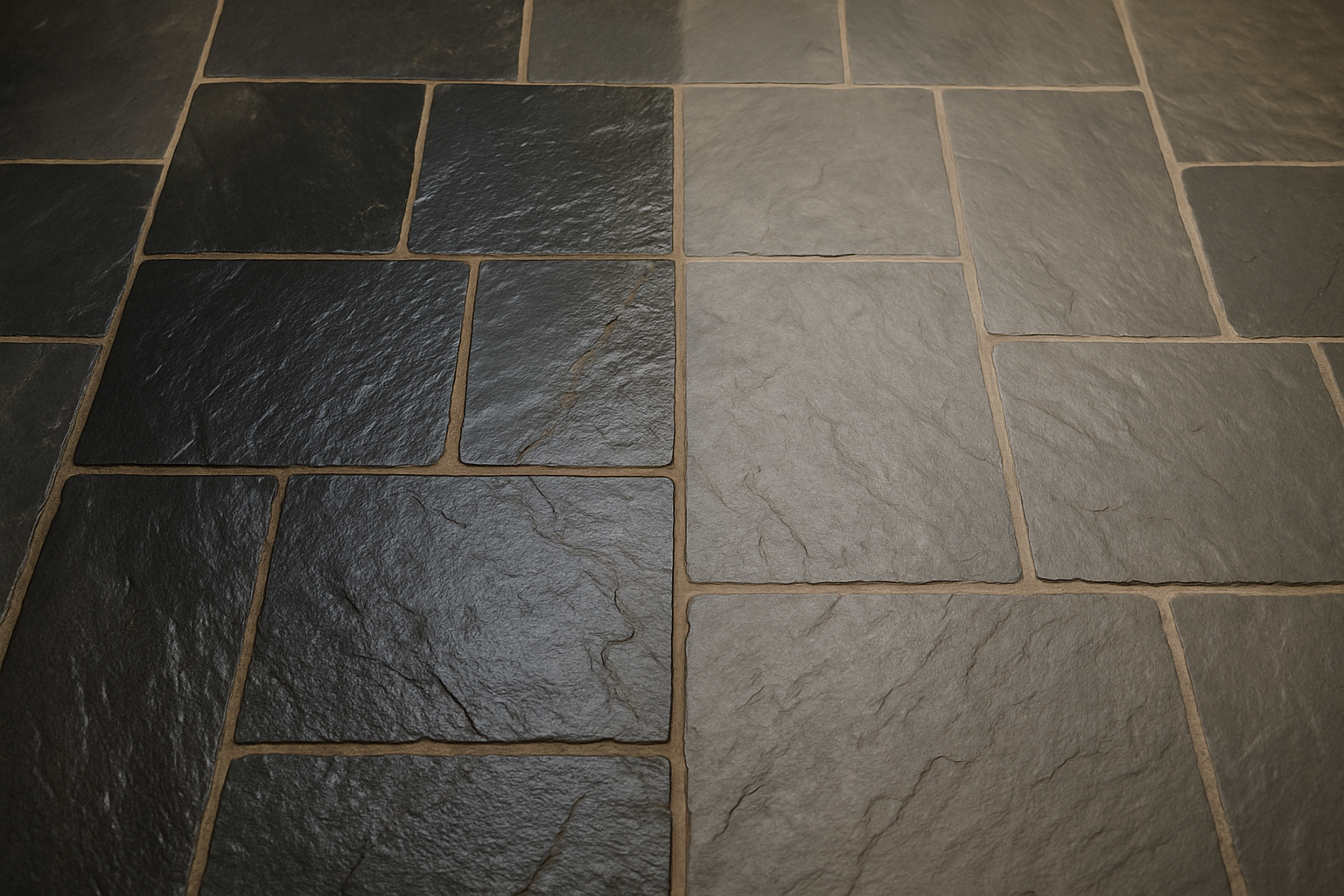
Slate Maintenance: Oil or Impregnate — Which Works Better?
Slate needs a different approach from marble or bluestone. Oiling and impregnation each give a different result. What you choose depends on the application.
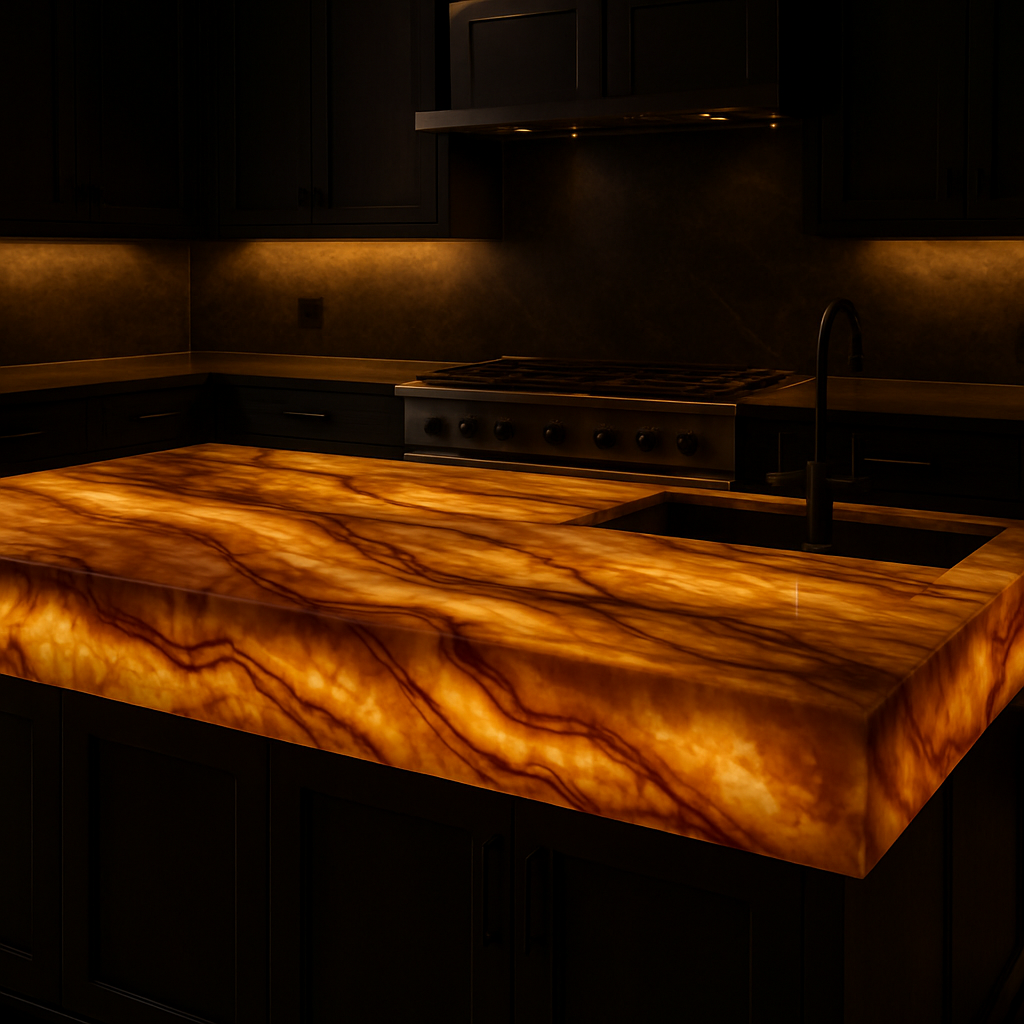
Onyx Worktop Maintenance: How to Keep This Special Material at Its Best
Onyx is one of the most spectacular, but also most demanding, natural stones. These are the rules you need to know to enjoy it for years.
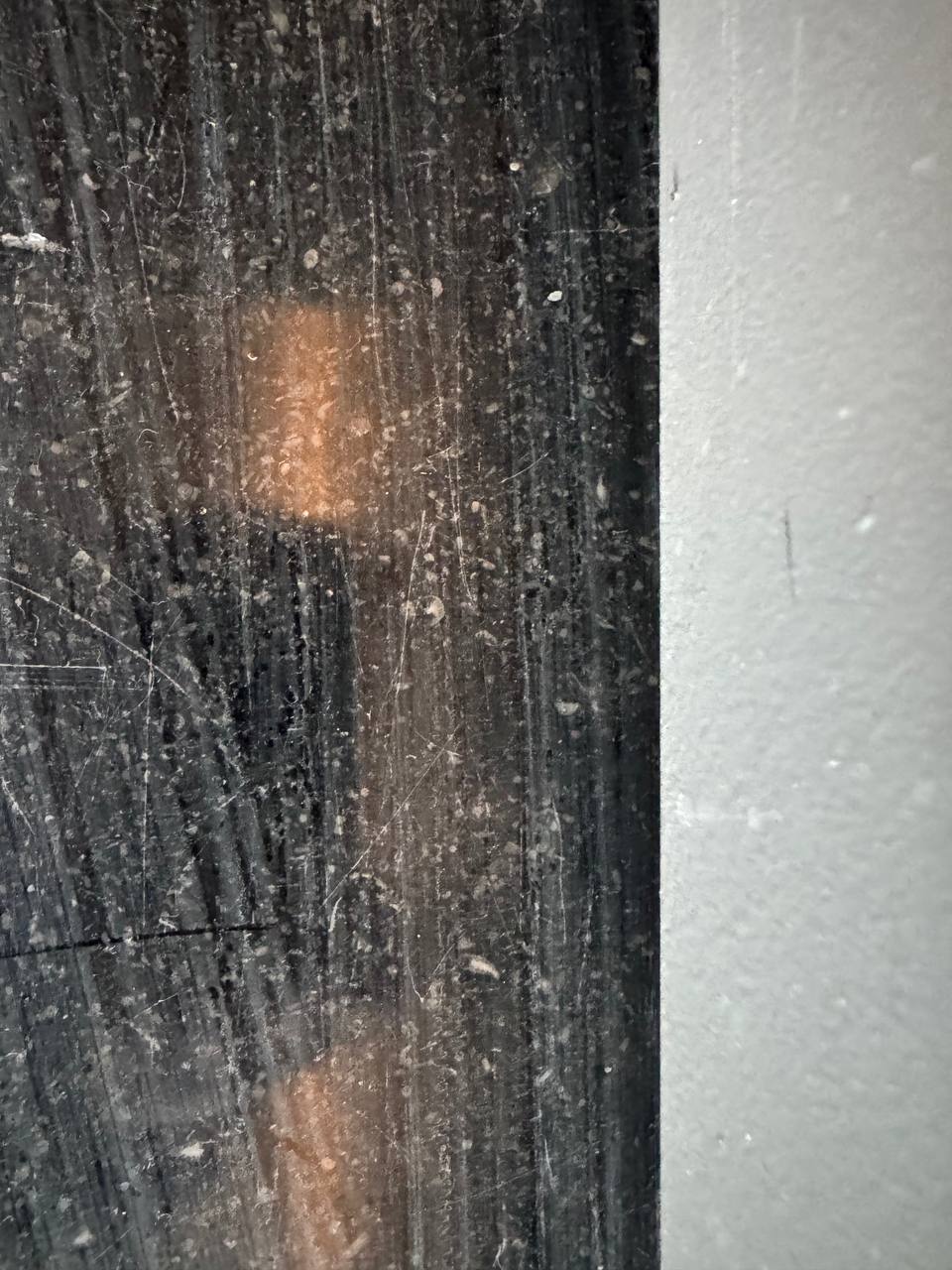
Scratches in Bluestone from Vacuum Cleaning: Cause, Recognition and Prevention
Why a vacuum cleaner with a metal or hard nozzle causes scratches in Belgian bluestone, how to recognise the damage and what you can do about it.