When Should You Have Your Natural Stone Impregnated?
Impregnation is the most effective preventive measure for natural stone. But when is it needed, how often should it be done, and which products really work?
DecoStone Natural Stone
Natural stone specialist · Amsterdam
Table of contents
What exactly is impregnation?
Impregnation means introducing a protective substance into the pores of the stone. A good impregnator forms a hydrophobic (water-repellent) and oleophobic (grease-repellent) barrier deep inside the stone matrix — without changing the appearance or character of the stone.
The difference from a coating: a coating sits on the stone. An impregnator sits in the stone. Coatings can flake and may seal the stone in a way that causes moisture problems. Impregnators protect from within and allow the stone to breathe.
Which stones should be impregnated?
Almost all porous natural stones benefit from impregnation. The most common applications:
| Stone type | Needed? | Priority |
|---|---|---|
| Marble | Yes | High — vulnerable to grease and moisture |
| Limestone | Yes | High — very porous |
| Bluestone (outdoors) | Yes | High — frost risk |
| Bluestone (indoors) | Yes | Medium |
| Travertine | Yes | High — open structure |
| Slate | Yes | Medium |
| Granite | Optional | Low — only slightly porous, but sometimes desired |
| Ceramic | No | — |
The 5 signs that your stone needs impregnation
1. The water absorption test gives a red flag
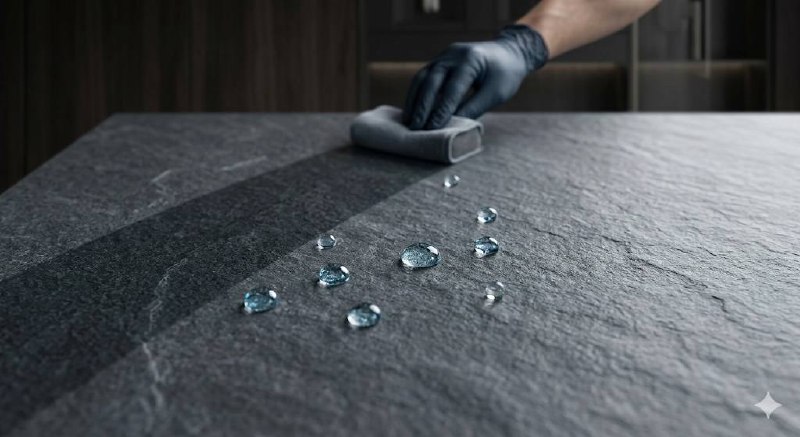
This is the simplest and most reliable test: place a few drops of water on the stone and observe.
- Water remains as droplets for 5+ minutes → impregnation is active ✓
- Water slowly soaks in (2–5 min) → impregnation has weakened; consider re-treatment
- Water soaks in immediately (less than 1 min) → impregnation no longer works; treatment needed ✗
2. Stains are absorbed quickly
If a drop of olive oil or coffee immediately disappears into the stone and leaves a dark mark before you have time to wipe it away, the impregnation has worn off.
3. White deposits after cleaning
White deposits (efflorescence) are a sign that moisture is moving freely through the stone. Although impregnation cannot fully solve serious moisture problems, a good treatment significantly reduces the risk.
4. The stone is new or recently installed
New stone is never supplied impregnated unless this has been explicitly agreed. Always have new stone impregnated before first use.
5. Recently sanded or polished
After any mechanical treatment (sanding, polishing, honing), the protective layer is gone. Always impregnate again.
How often should you impregnate?
There is no universal answer — it depends on the stone type, location and intensity of use:
| Application | Recommended interval |
|---|---|
| Marble kitchen worktop | Every year |
| Bathroom floor | Every 2 years |
| Bluestone entrance hall | Every 2–3 years |
| Terrace floor | Every year |
| Façade stone | Every 3–5 years |
| Outdoor bluestone | Every 2–3 years |
Most important rule of thumb: perform the water absorption test and let that determine when treatment is needed — not the calendar.
BioShield: why we use this product
We impregnate almost all our work with BioShield from the brand of the same name — a product that, after extensive testing, we have found most suitable for the stone types we encounter in Amsterdam and the surrounding area:
Why BioShield:
- Solvent-free: no aggressive chemicals; safer for the client and the environment
- Deep penetration: penetrates up to 15–20 mm into the stone — deeper than most competitors
- Certified for calcite-rich stones: safe on marble and limestone
- Long-lasting effect: generally effective for 2–5 years, depending on use
- Does not change the colour: the stone looks exactly the same (unless you specifically choose a colour-enhancing variant)
Colour-enhancing BioShield variants are also available, which can preserve the wetter, darker tone of freshly installed bluestone or travertine. Useful if you want to retain the “wet look”.
Impregnation: do it yourself or call a specialist?
Doing it yourself
For simple applications — a small floor, a worktop, an exterior window sill — you can apply impregnation yourself if you follow the steps carefully:
- Clean the stone thoroughly and let it dry completely (at least 48 hours)
- Apply the impregnator with a brush or roller, evenly across the whole surface
- Allow it to penetrate (see product instructions; usually 15–30 minutes)
- Remove excess impregnator before it dries with a dry cloth
- Allow 24–48 hours to dry before use
Please note: impregnator that dries on the surface (because it has not been absorbed) forms a white haze. This is difficult to remove.
Calling in a specialist
For larger projects, valuable stones or if you are unsure about the product or method, we recommend calling in a specialist. DecoStone always offers impregnation as part of a broader maintenance treatment — including cleaning and any light polishing required.
Impregnation does not prevent everything
A common misunderstanding: impregnation makes your stone invulnerable. It does not.
Impregnation protects against:
- Stains from grease and water (more time to wipe them away)
- Moisture ingress and frost damage
- Surface dirt
Impregnation does not protect against:
- Etching on marble — acid attacks the surface immediately
- Mechanical scratches
- Hard impacts and breakage
- Long contact with aggressive substances
Impregnation is a line of defence, not armour. Proper use and regular maintenance remain essential.
More about daily maintenance of a bluestone floor
Not sure whether your stone is protected? Do the water absorption test — and if in doubt, call us. We will be happy to visit for a quick assessment.
Need help?
Are you unsure about the right approach, or would you like to know what is possible? Send a photo via WhatsApp and we will give you honest advice — without obligation.
Want to be sure which treatment is safe?
Send photos of the surface, room and problem. DecoStone assesses the material, damage pattern and risks before advising on a treatment or quotation.
Related articles
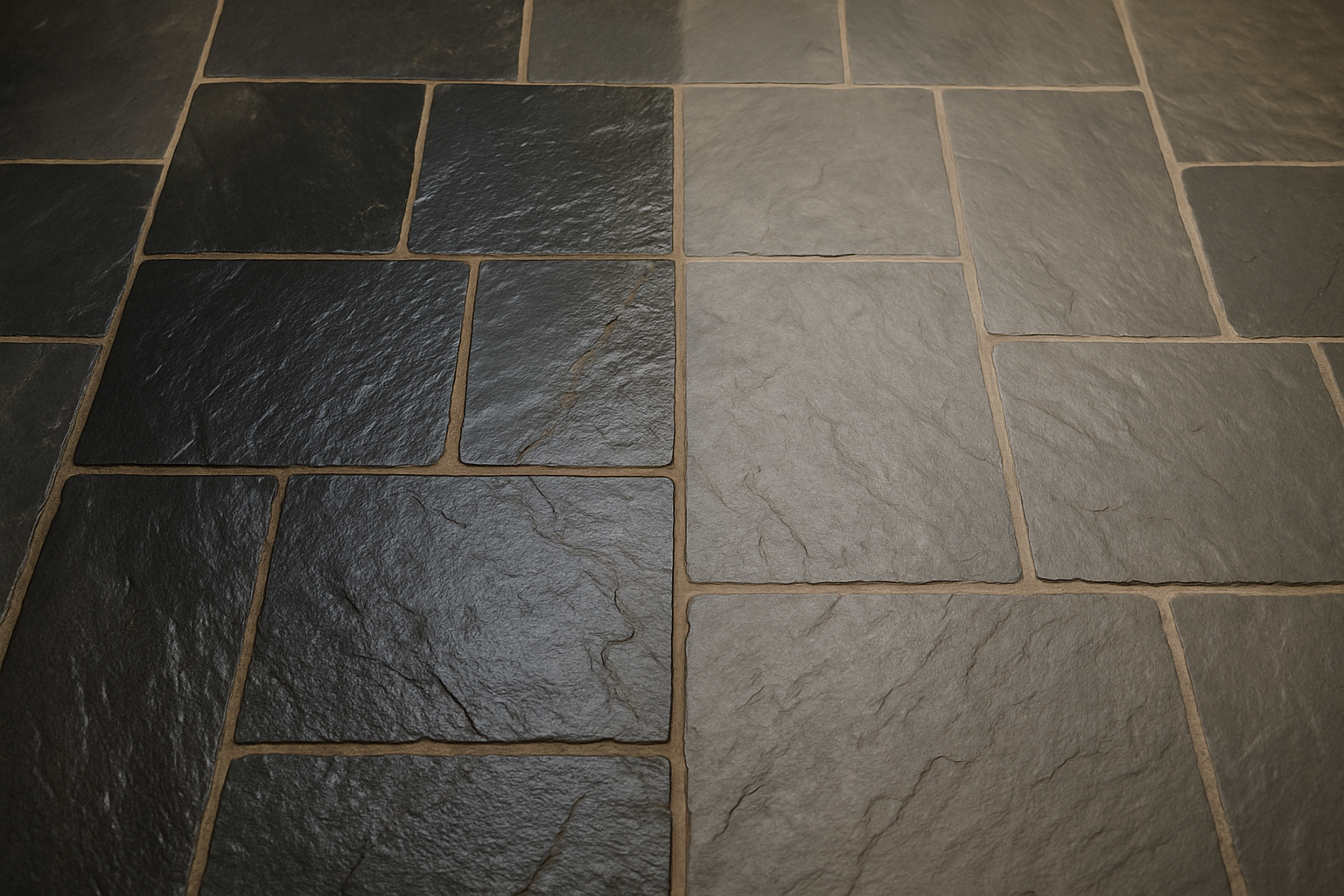
Slate Maintenance: Oil or Impregnate — Which Works Better?
Slate needs a different approach from marble or bluestone. Oiling and impregnation each give a different result. What you choose depends on the application.
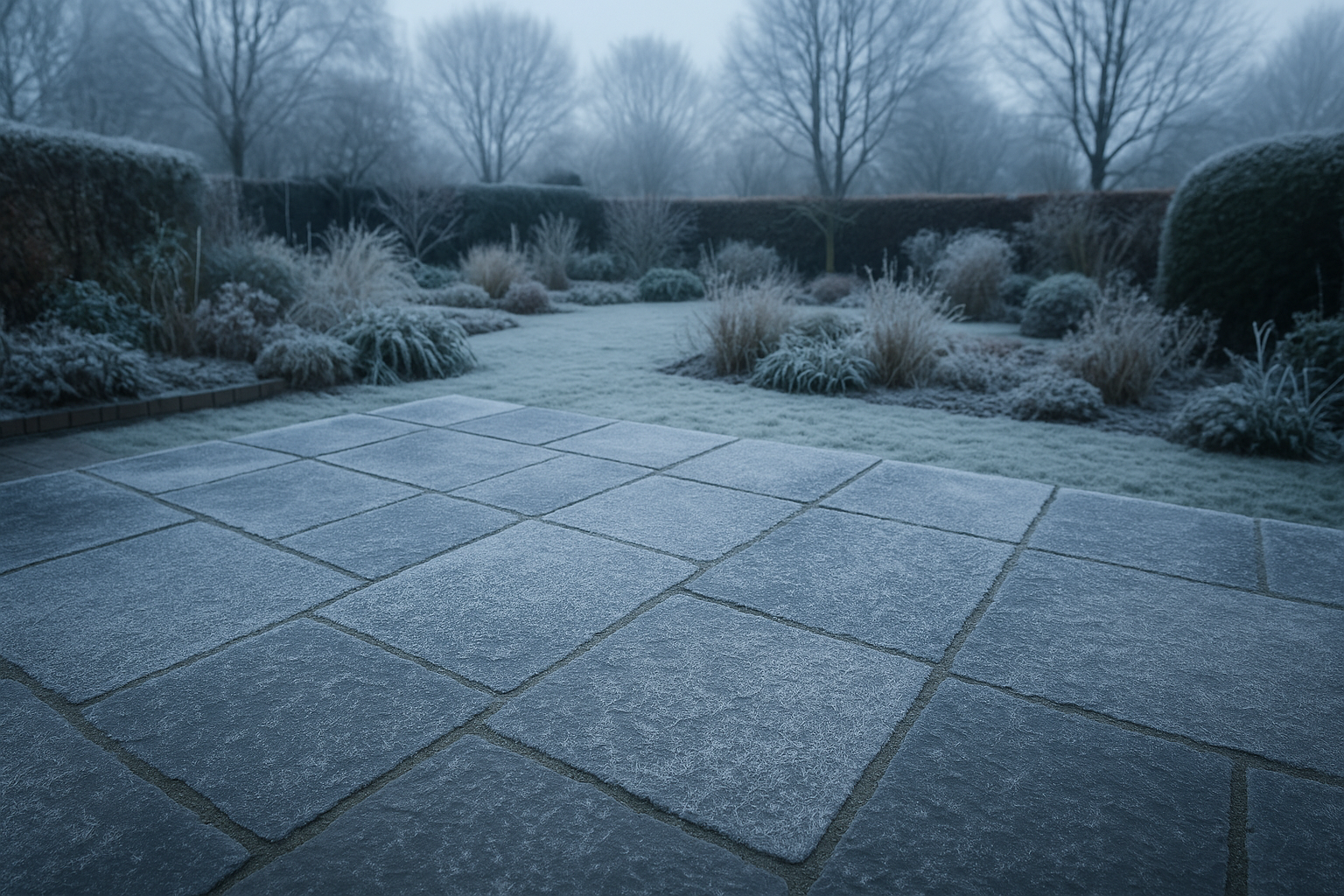
Preparing Outdoor Natural Stone for Winter: What Works and What Does Not
Frost damage to slate terraces, bluestone or limestone paving can often be prevented. But not with every product, and not always completely. An honest guide.
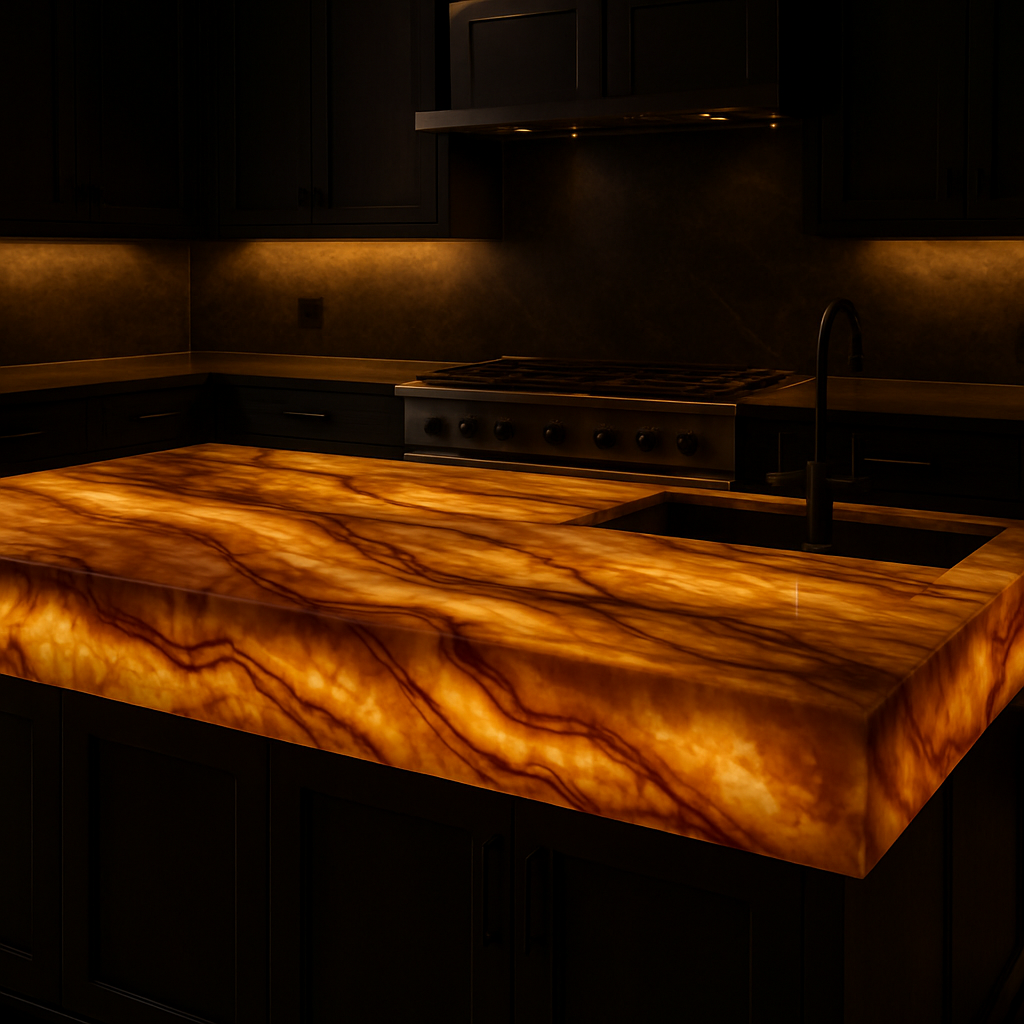
Onyx Worktop Maintenance: How to Keep This Special Material at Its Best
Onyx is one of the most spectacular, but also most demanding, natural stones. These are the rules you need to know to enjoy it for years.