Impregnator for Worktop vs. Floor: The Difference and Why Food Contact Matters
Not every impregnator is suitable for every surface. Kitchen worktops have different requirements from floors because of food contact. Read what matters.
DecoStone Natural Stone
Natural stone specialist · Amsterdam
Table of contents
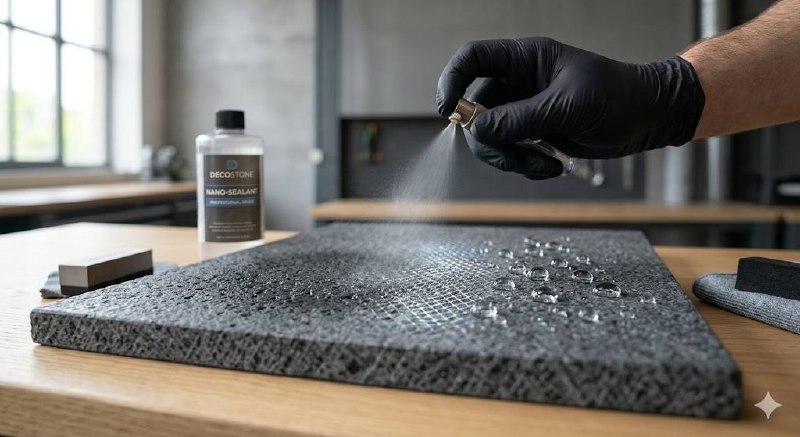
Not one impregnator for everything
One of the most common mistakes in natural-stone maintenance is using the same impregnator for every surface. It seems logical: stone is stone. But the context makes a major difference, especially when surfaces come into contact with food.
This article explains exactly why the choice of impregnator depends on the application, which products are safe for worktops and which are better kept for the floor.
What does an impregnator do?
An impregnator penetrates the pores of the stone and forms a hydrophobic (water-repellent) and oleophobic (grease-repellent) barrier. The stone protects itself from within: liquids, fats and dye molecules can penetrate less easily.
A good impregnator:
- Penetrates deeply (works within the stone structure, not as a layer on top)
- Allows water vapour to pass through (the stone can "breathe")
- Changes the appearance of the stone little or not at all
- Is durable (works for 3–5 years under normal use)
So far, this applies to both floors and worktops. The difference lies in what remains in the stone after the impregnator has dried and what may come into contact with it.
The food-contact issue
No one cooks on a floor. On a kitchen worktop there is bread, fruit, meat and vegetables. Juices run over the surface. A knife falls. Children eat directly from the surface.
This places additional requirements on the impregnator:
-
Solvent-free: some traditional impregnators contain solvents that evaporate after drying. In a bathroom or hallway, this is not a problem. In a kitchen where food is prepared, it is undesirable.
-
REACH-compliant / food-safe after curing: for kitchen worktops, you want an impregnator that is certified food-safe after it has fully cured. This is stated in the product data sheet.
-
No fragrances that migrate into food: some products leave a slight smell or taste that may not be harmful but is unwanted in a kitchen.
Impregnators for floors
Floors are subject to heavier mechanical loads (walking, furniture, heels), but they do not need to be food-safe. This provides more freedom of choice:
Suitable products for natural-stone floors:
- BioShield Floor: our standard recommendation for indoor floors. Solvent-free, water-based and suitable for all stone types, including calcite-rich stones (marble, bluestone, limestone).
- Lithofin MN Stain Stop: proven effective for bluestone and granite floors indoors and outdoors.
- Fila MP90 Eco Plus: good value for porous stone types (travertine, limestone).
Outdoor floors have additional requirements: the impregnator must be frost-resistant (water accumulation in the pores freezes and can split the stone). Always choose a product explicitly suitable for outdoor applications.
Impregnators for kitchen worktops
For worktops with direct food contact, choose only:
BioShield Countertop / Worktop: specially developed for worktops with food contact. Water-based, solvent-free and completely safe after curing. Suitable for marble, granite, quartzite and quartz stone.
What to look for on the label:
- "Food safe after curing" or "FOOD SAFE"
- "Solvent-free" or "water-based"
- "REACH compliant"
Products you should NOT use on kitchen worktops:
- Solvent- or white-spirit-based products
- Products that explicitly state "only for floors or outdoor applications"
- Combination products of unknown composition
Practical comparison
| Property | Floor | Worktop |
|---|---|---|
| Food contact | No | Yes |
| Frost resistance needed | Outdoors | No |
| Mechanical load | High | Low to medium |
| Solvents allowed | Yes (ventilated) | No |
| BioShield line | BioShield Floor | BioShield Countertop |
How do you apply impregnator to a worktop?
- Clean and dry surface: clean the worktop thoroughly, then let it dry for 24 hours
- Test in a corner: apply a drop to an inconspicuous area and check after drying that the appearance is unchanged
- Apply with a soft cloth or sponge: in small circular movements, evenly
- Allow 10–15 minutes to penetrate: the stone will absorb as much as it can
- Wipe away the excess: with a dry, clean cloth. Do not let it dry as a layer; this causes white streaks
- Second coat: after 30–60 minutes, apply a second coat to the same surface (if the stone absorbs it)
- Curing time: at least 24 hours before use; 48 hours before full food contact
How often should you impregnate?
Kitchen worktop: annually, or sooner based on the water absorption test:
- Drip water onto the worktop
- Does it soak in within 2 minutes? Impregnate immediately.
- Does it soak in after 5–10 minutes? Impregnate soon.
- Does it remain as a drop? There is still sufficient protection.
Floor: Every 2–3 years, or after the annual water absorption test.
What if you have already used the wrong impregnator?
If you have applied a solvent-based floor impregnator to a worktop, there is no need to panic immediately. After full curing (48–72 hours in a well-ventilated space), the solvents have largely evaporated and the surface is not actively dangerous.
But to be safe, switch to a food-safe product for the next treatment, and in the meantime avoid direct contact between prepared food and the stone (always use a cutting board).
Combination: bathroom vs. kitchen
Do you have both a marble bathroom floor and a marble kitchen worktop? Use two different products, even if that is slightly more expensive. The extra investment is worthwhile for safety and proper protection.
Not sure which product suits your situation? DecoStone is happy to advise, also by phone or WhatsApp.
More about Bianco Carrara in the kitchen: maintenance and protection
Need help? Contact DecoStone →
See also: When should you have your natural stone impregnated?
Need help?
Not sure about the right approach, or would you like to know what is possible? Send us a photo via WhatsApp and we will give you honest advice — without obligation.
Want to be sure which treatment is safe?
Send photos of the surface, room and problem. DecoStone assesses the material, damage pattern and risks before advising on a treatment or quotation.
Related articles
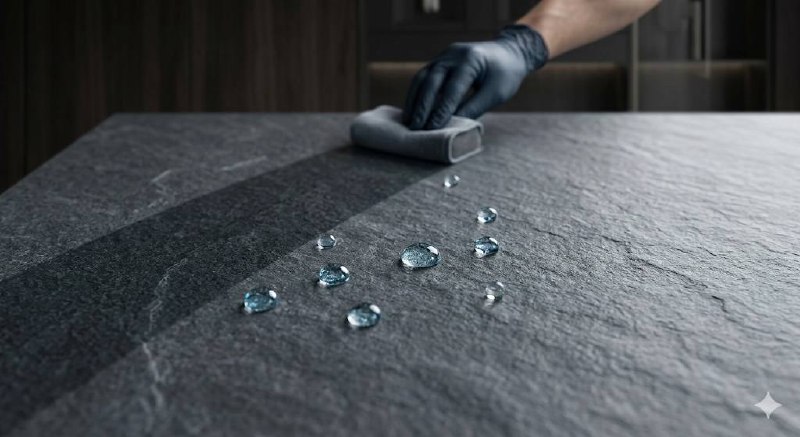
When Should You Have Your Natural Stone Impregnated?
Impregnation is the most effective preventive measure for natural stone. But when is it needed, how often should it be done, and which products really work?
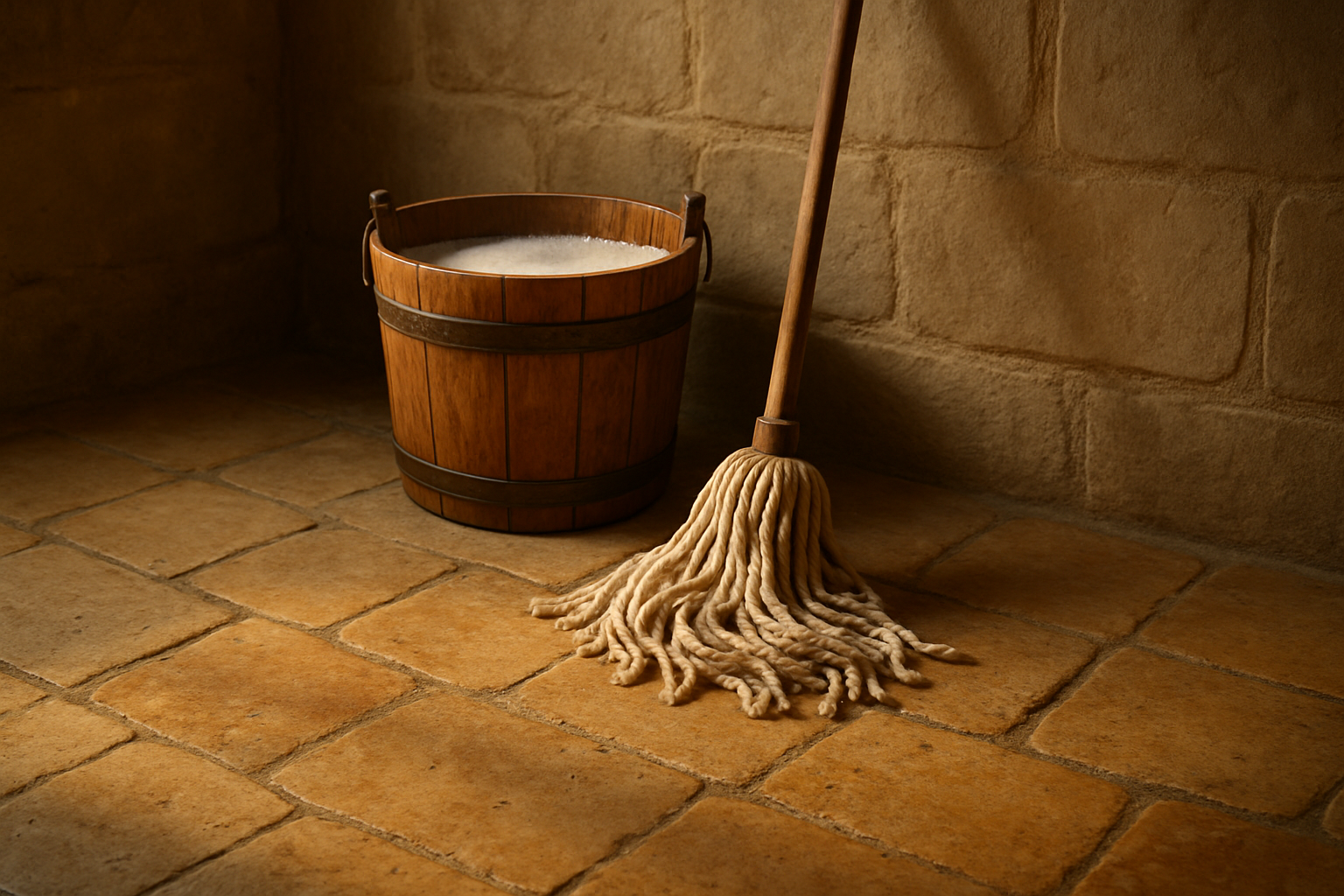
The Lime Soap Method for Antique Floors: What It Is and When to Use It
Lime soap is a traditional method for cleaning and protecting antique natural stone floors. It is not suitable for everything, but works well on the right floor.
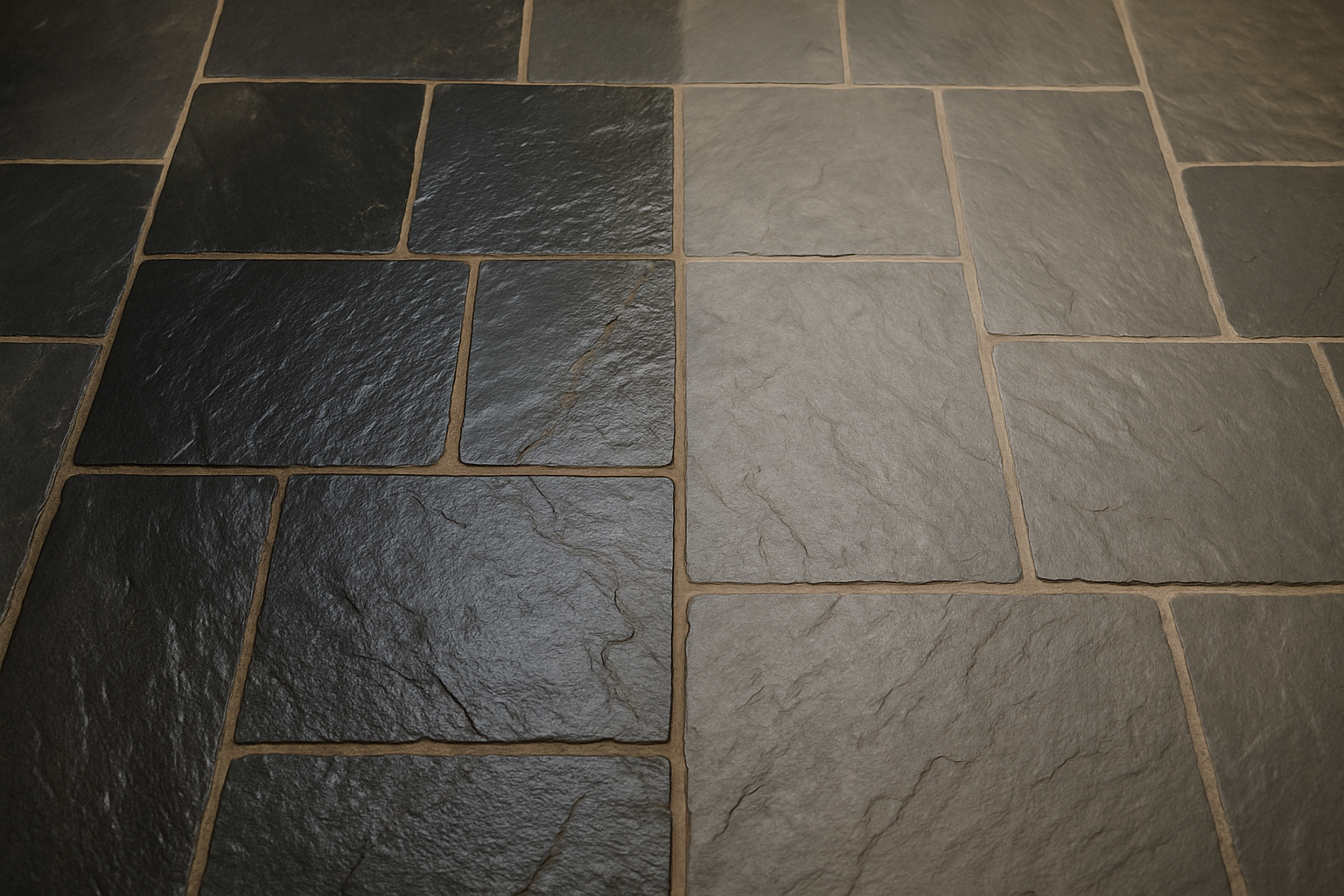
Slate Maintenance: Oil or Impregnate — Which Works Better?
Slate needs a different approach from marble or bluestone. Oiling and impregnation each give a different result. What you choose depends on the application.