Bianco Carrara in the Kitchen: Maintenance and Protection
Bianco Carrara marble is beautiful, but it requires careful maintenance in the kitchen. Read about acid damage, impregnation, daily cleaning and prevention.
DecoStone Natural Stone
Natural stone specialist · Amsterdam
Table of contents
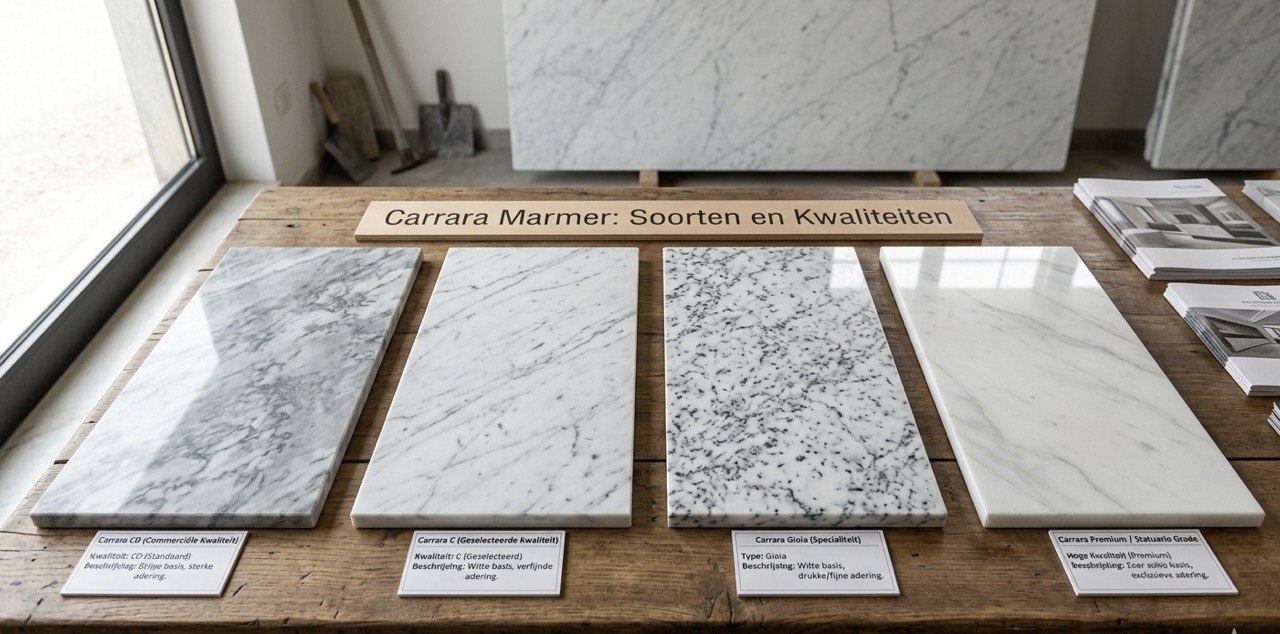
Why Bianco Carrara is so loved — and so vulnerable
Bianco Carrara is the classic marble. Its soft white colour, subtle grey veining and timeless appearance make it easy to understand why so many kitchens are built around this material. But marble in the kitchen is also one of the most maintenance-sensitive choices you can make.
If you understand that before installation, you can enjoy it for decades. If you are not prepared for it, you may be confronted with stains, dull patches and acid damage that can become visible within the first few months.
The enemies of Bianco Carrara
Acid: the biggest threat
Marble consists largely of calcite, a mineral that reacts chemically with acids. In a kitchen, acids are everywhere:
- Lemon juice and vinegar: directly visible damage after prolonged contact
- Soft drinks: cola, sparkling water, tomato juice
- Wine: both red and white
- Coffee grounds and tea: less aggressive, but cumulative
- Some cleaning products: all-purpose cleaner, bathroom cleaner, soda
Acid damage on marble appears as a dull, lightly eaten-away patch on the otherwise glossy stone. We call this etch damage. One small drop of lemon juice that is not wiped away immediately can be enough.
Important: Etch damage is not a stain. It is damage to the surface itself. It cannot be wiped away; it requires mechanical polishing by a specialist.
Fat and oil
Olive oil, butter and herb oils can penetrate the pores of marble and leave dark stains. The longer the contact, the deeper the staining.
Water and limescale
In Amsterdam, the water is relatively hard. Water droplets that remain and evaporate leave limescale deposits behind. On polished marble, these appear as white, dull rings that disrupt the gloss.
Impregnation: the first line of defence
Before you start using your Bianco Carrara worktop, it should be impregnated. A good impregnator penetrates the pores of the stone and forms a hydrophobic barrier that slows the absorption of liquids and fats.
We work with BioShield: a solvent-free, deep-penetrating impregnator developed specifically for calcite-rich stones such as marble and limestone.
How often should it be impregnated?
- New worktop: immediately after installation, before use
- Repeat protection: every year, or sooner if the water absorption test shows it is necessary
Water absorption test: Place a few drops of water on the worktop. If the water is absorbed within 5 minutes and a dark mark appears, new impregnation is needed. If the water remains beaded on the surface, the protection is still active.
Please note: Impregnation does not protect against etch damage. It slows the penetration of fats and water, but acid attacks the surface directly regardless of impregnation.
Daily maintenance
Cleaning
- Use warm water with a few drops of pH-neutral soap or a dedicated stone cleaner
- Wipe with a soft microfibre cloth
- Never use: vinegar, lemon cleaner, all-purpose cleaner, chlorine, soda or abrasive sponges
- Dry the worktop after cleaning with a dry cloth; do not leave water standing
Daily habits that protect your marble
- Use chopping boards: always, including when cutting meat and vegetables
- Use coasters under glasses: also under water bottles and dairy products
- Wipe acids immediately: remove lemon juice, vinegar and wine at once with a damp cloth
- Never place hot pans directly on marble: use a trivet; thermal shock can cause microcracks
What should you do about stains?
Greasy stain (oil, butter)
Make a paste from talcum powder or corn starch and water. Apply it to the stain, cover with plastic film and leave it for 24 hours. The paste absorbs the fat. Repeat if necessary.
More stain types and treatments: removing stains from marble
Wine stain or coffee stain
Treat the stain with hydrogen peroxide (3–6%, available at a pharmacy). Apply it to a cotton cloth, place it on the stain and cover it. Leave it to work for several hours. Do not use this on dark marble.
Etch damage (dull patch after acid contact)
This is damage to the surface itself. Small, superficial etch marks can be temporarily improved with marble wax (Lithofin Marbec or equivalent), but the only real solution is professional polishing. Contact DecoStone.
Patina or pristine? The choice is yours
Many owners of marble kitchens have to make a conscious choice: do you accept the patina — the dull spots, etch marks and living character of the stone — or do you want to keep it as close as possible to its original condition?
Some architects and interior designers see the traces of use as a quality of marble: it becomes more beautiful with age, not less. Others prefer consistent maintenance with an annual polishing service.
Both choices are valid. DecoStone will be happy to advise which approach suits your use and your taste.
When should you call in a specialist?
- Multiple etch marks or a large dull area
- Deep oil or wine stains that do not disappear
- Scratches visible in the surface
- Joints that are coming loose or discolouring
- The worktop simply no longer looks fresh
An annual maintenance service by DecoStone, including polishing, impregnation and joint replacement if needed, keeps your Bianco Carrara in good condition and significantly extends its service life.
Do you already have a problem with your marble worktop? Send us a photo via WhatsApp and we will think along with you straight away.
Need help?
Unsure about the right approach, or want to know what is possible? Send a photo via WhatsApp and we will give you honest advice — without obligation.
Want to be sure which treatment is safe?
Send photos of the surface, room and problem. DecoStone assesses the material, damage pattern and risks before advising on a treatment or quotation.
Related articles

Removing Stains from Marble: The Right Approach for Each Stain Type
Oil, wine, coffee, rust or ink: stains on marble are frustrating but not always permanent. Learn how to treat each stain type and what you can safely do yourself.
The Lime Soap Method for Antique Floors: What It Is and When to Use It
Lime soap is a traditional method for cleaning and protecting antique natural stone floors. It is not suitable for everything, but works well on the right floor.
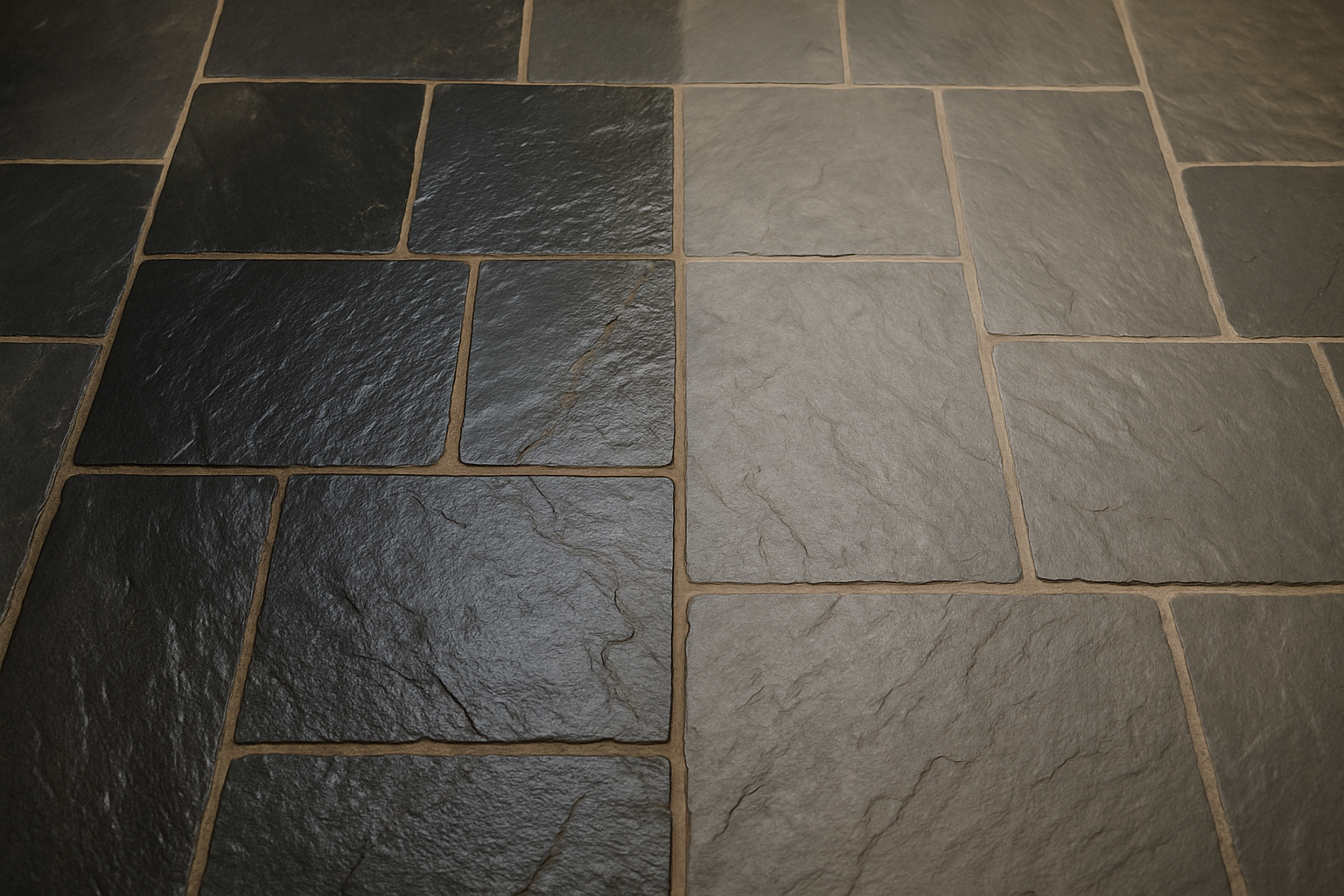
Slate Maintenance: Oil or Impregnate — Which Works Better?
Slate needs a different approach from marble or bluestone. Oiling and impregnation each give a different result. What you choose depends on the application.