Removing Stains from Marble: The Right Approach for Each Stain Type
Oil, wine, coffee, rust or ink: stains on marble are frustrating but not always permanent. Learn how to treat each stain type and what you can safely do yourself.
DecoStone Natural Stone
Natural stone specialist · Amsterdam
Table of contents

Stains on marble: no need to panic, but act quickly
Marble is a beautiful but absorbent material. Untreated stone absorbs liquids like a sponge. Even impregnated marble needs time to repel liquids — and if you do not act quickly, a stain can become permanent.
The good news: most stains on marble can be treated. It requires the right approach for each stain type, patience and sometimes a few repetitions. The less good news: the wrong approach can make the stain larger or damage the stone.
This article covers the most common stain types on marble and gives a practical approach for each one.
First: is it a stain or etching?
Before you start, it is crucial to make this distinction:
- Stain: a dye or substance sitting in the pores of the stone. It looks dark or coloured. To the touch, the surface is still smooth; the stone is simply filled with something.
- Etching: chemical damage to the surface itself caused by acid. It looks matt and dull on an otherwise glossy surface. It feels rougher to the touch.
Etching is treated differently — more on that in our article about etching on marble. This article is only about true stains.
Poultice method: the basis of marble stain removal
The most effective DIY method for stubborn stains in marble is called the poultice method. The principle:
- Make a paste from an absorbent powder and a suitable liquid
- Apply the paste to the stain
- Cover it with plastic film and tape the edges closed
- Leave it to work for 12–48 hours
- Remove the paste and allow the area to dry
- Repeat if necessary
The absorbent powder absorbs the substance in the stone and draws it out by capillary action. The liquid determines which substance you are targeting (grease, colour, rust, etc.).
As an absorbent, use:
- Talcum powder
- Cornstarch
- Kaolin (white clay)
- Diatomaceous earth
Stain type 1: Grease and oil (olive oil, butter, sauces)
Recognition: Dark, slightly translucent stain. As it dries, it may become lighter but remain visible.
Approach:
Fresh stain (within the hour):
- Blot gently with kitchen paper — do not wipe, as that spreads the stain
- Sprinkle talcum powder or cornstarch onto the wet stain
- Leave for 15–20 minutes
- Wipe away and clean with a pH-neutral stone cleaner
Absorbed stain: Make a poultice from talcum powder + acetone (nail polish remover without additives). Caution: do not use acetone on coated stone or in an enclosed space without ventilation.
Result: Usually 70–100% removal for fresh stains up to a few days old. Old stains (weeks/months) respond less well.
Stain type 2: Red wine, coffee, tea, fruit juice
Recognition: Brown to reddish-brown or purple stain. Sometimes with a slightly feathered edge.
Please note: If the wine or fruit juice was also acidic (almost always), there may be etching as well as staining. Treat the stain first, then assess the surface.
Approach:
Fresh stain (act quickly):
- Blot immediately
- Clean with lukewarm water and a small amount of pH-neutral soap
- Dry the surface
Absorbed colour stain: Make a poultice from talcum powder + 3–6% hydrogen peroxide (available from pharmacies).
- Do not use on dark or coloured marble: hydrogen peroxide can affect the colour of the stone
- On white marble (Bianco Carrara, Statuario), this works very well
Apply the paste, cover it and leave it to draw for 24 hours. Repeat 2–3 times if necessary.
Stain type 3: Ink and ballpoint pen
Recognition: Dark blue, black or coloured line or stain.
Approach: Poultice of talcum powder + acetone. For stubborn stains, alternate with a small amount of mild liquid hand-wash detergent.
For permanent marker, this is difficult. Acetone gives the best chance, but permanent ink can penetrate deeply. If there is no result after three attempts, call in a specialist.
Stain type 4: Rust-coloured stains
Recognition: Brown, reddish-brown or orange stains. Sometimes streak-like (near screws, furniture legs, cast-iron sinks).
Causes:
- Iron-containing water that evaporates
- Metal objects (pans with cast-iron bases, plant pots)
- Iron-bearing minerals in the stone itself (this is internal and cannot be fully treated)
Approach: Use a rust remover specifically for natural stone — not a standard rust remover from a DIY store. Lithofin Stain Remover or a comparable oxalic-acid-based product can be suitable.
- Apply to the stain, not to the surrounding area
- Leave for 5–10 minutes
- Rinse thoroughly with clean water
- Please note: oxalic acid attacks calcite if left too long or used too strongly. Always test on an inconspicuous area.
For large or deep rust stains, call DecoStone.
Stain type 5: Mould and organic growth
Recognition: Green, black or brown marks, sometimes with a velvety surface. Typical in bathrooms and outdoor applications.
Approach: Use a mild solution of hydrogen peroxide (3%) or a biodegradable stone cleaner. Apply, leave for 10–15 minutes, brush with a soft brush and rinse.
Outdoors, higher concentrations may be needed. Also consider laser cleaning for deep-rooted biological growth on façades or terraces; it is more effective and gentler than chemical treatment.
Stain type 6: Limescale and water rings
Recognition: White rings, haze or crystallisation. Typical around taps and in showers.
Approach: This is not a true stain but a lime deposit. Use a special limescale remover for natural stone (neutral or only slightly acidic, never a standard descaler).
Lithofin Stain Remover works well here. Apply with a sponge, allow brief contact time, then rinse.
Never use ordinary descaler: that is acetic acid or citric acid, which causes etching.
Preventing stains: the practical basics
- Impregnation: a good impregnator gives you more reaction time when something is spilled. BioShield is our recommendation for marble worktops.
- Wipe immediately: the faster, the better. A fresh stain is always easier than an old one.
- pH-neutral products: use only stone cleaner or lukewarm water for daily use.
- Coasters and trays: also for salt cellars, spice pots and yoghurt containers.
When is a specialist needed?
- The stain is older than a few weeks
- Several attempts have produced no result
- You suspect the stain is combined with etching
- The stain is on dark marble where hydrogen peroxide is not safe
- Rust stains do not respond to treatment
Need help? Contact DecoStone →
Based on a photo, we can often estimate which approach is needed and whether a site visit makes sense.
Need help?
Are you unsure about the right approach, or would you like to know what is possible? Send a photo via WhatsApp and we will give you honest advice — without obligation.
Want to be sure which treatment is safe?
Send photos of the surface, room and problem. DecoStone assesses the material, damage pattern and risks before advising on a treatment or quotation.
Related articles
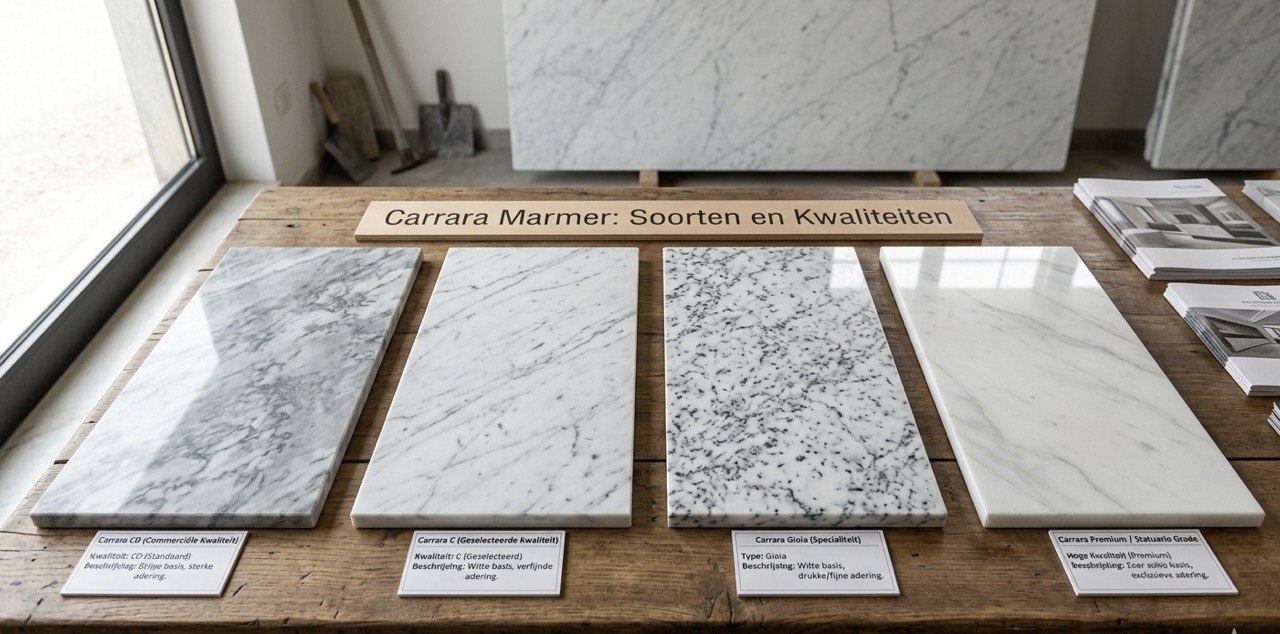
Bianco Carrara in the Kitchen: Maintenance and Protection
Bianco Carrara marble is beautiful, but it requires careful maintenance in the kitchen. Read about acid damage, impregnation, daily cleaning and prevention.
The Lime Soap Method for Antique Floors: What It Is and When to Use It
Lime soap is a traditional method for cleaning and protecting antique natural stone floors. It is not suitable for everything, but works well on the right floor.
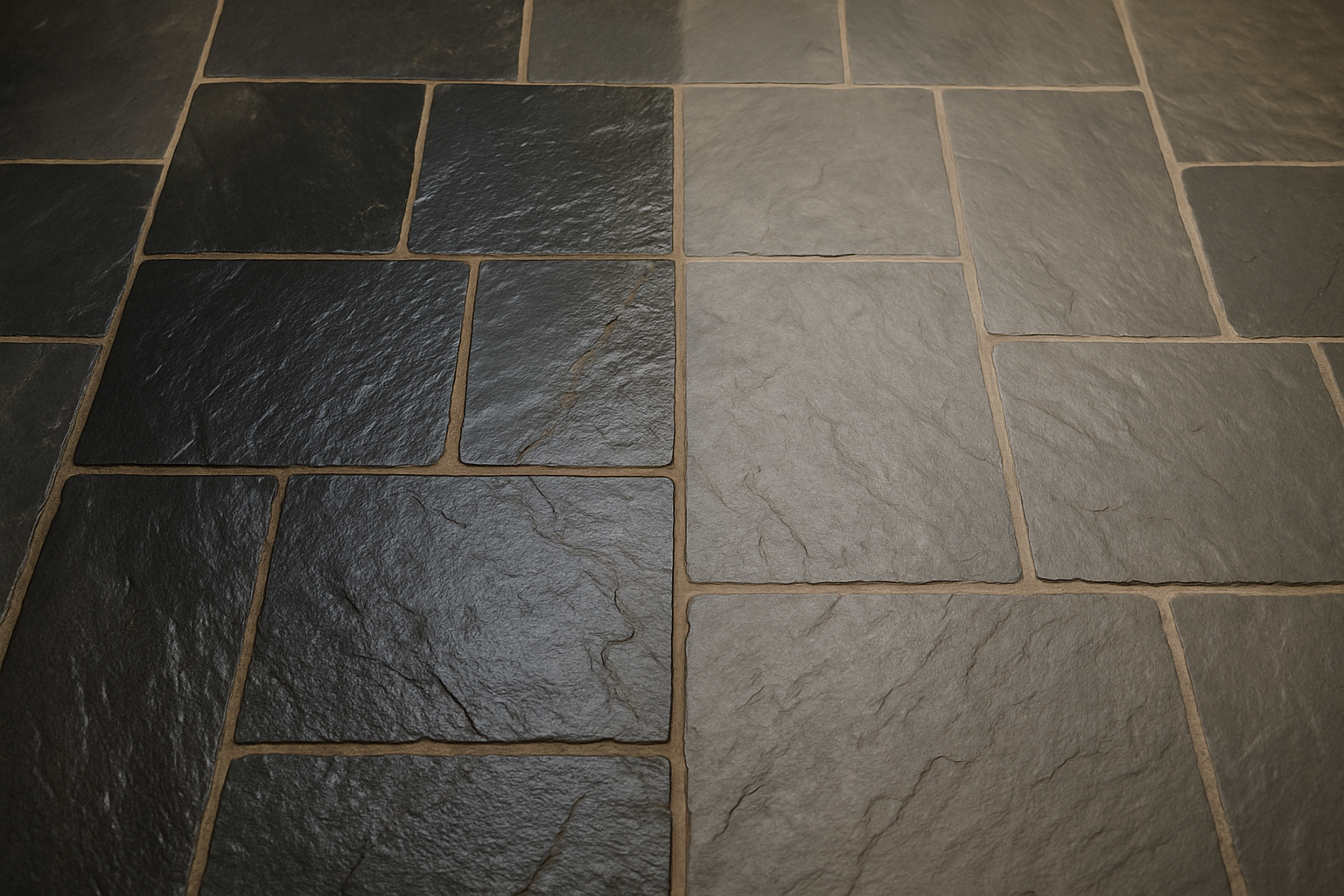
Slate Maintenance: Oil or Impregnate — Which Works Better?
Slate needs a different approach from marble or bluestone. Oiling and impregnation each give a different result. What you choose depends on the application.