Arduin: What Exactly Is It and Where Is It Used?
Arduin is a dark grey to black natural stone that is often confused with Belgian bluestone. This article explains what arduin is and where it is used.
DecoStone Natural Stone
Natural stone specialist · Amsterdam
Table of contents
What is arduin?
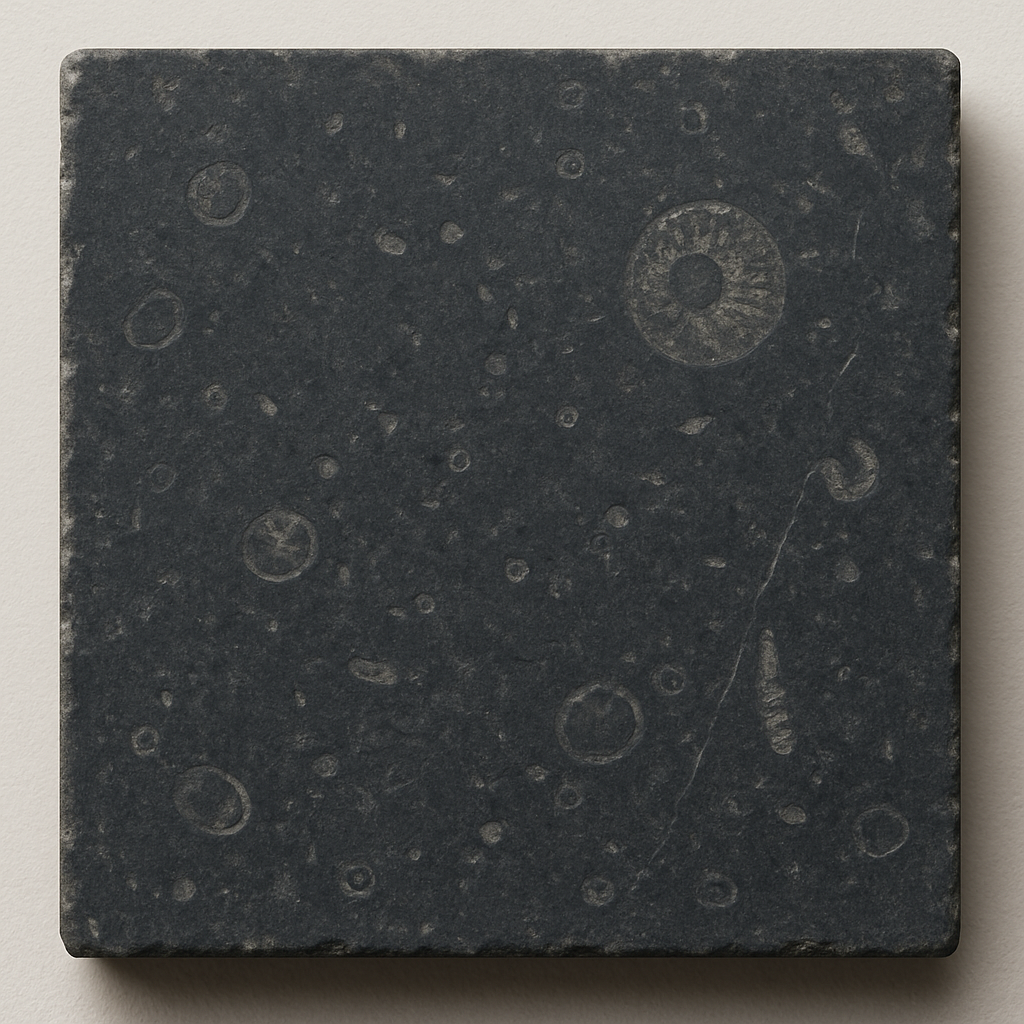
Arduin is a general name for dark grey to black limestone quarried in Belgium and the Netherlands. The name is often used interchangeably with "Belgian bluestone" or "blue stone", but technically there are differences. Arduin refers specifically to a group of Carboniferous limestones characterised by a dark grey to black colour and a dense structure.
The name "arduin" is derived from the French "pierre d'Ardenne" — stone from the Ardennes. Historically, the term was used broadly for various dark natural stones from the region, but today it is mainly applied to the darkest variants of Belgian limestone.
Historical context
Arduin has been used in architecture since the Middle Ages. You will find it in church floors, gravestones, stair treads and façades of old buildings in the Netherlands and Belgium. The stone was popular because it was hard, frost-resistant and locally available — ideal for a climate with wet winters.
Today, arduin is still quarried, but it has become rarer and more expensive than its better-known relative, Belgian bluestone (petit granit).
How do you recognise arduin?
Arduin has several recognisable characteristics:
- Colour: dark grey to almost black, generally darker than Belgian bluestone
- Structure: very fine-grained and dense, with few visible fossils
- Surface: matte, flamed or lightly polished — high gloss is uncommon
- Weight: heavy, comparable to Belgian bluestone
The main difference from Belgian bluestone is the colour: arduin is generally darker and more even in tone.
Applications
Arduin is mainly used where durability and a sober appearance are desired:
Indoors: Floors in halls, churches and monumental buildings. Stair treads and window sills in classic interiors. Wall cladding in bathrooms and toilets.
Outdoors: Pavement slabs, stair treads, façade plinths and thresholds. Arduin is resistant to frost and wear, and changes colour only slightly outdoors — unlike Belgian bluestone, which can become "honed" or greyed over time.
Kitchen worktop: Less common than Belgian bluestone, but technically possible. Note: like all limestone, arduin is sensitive to acids.
Advantages
- Very durable and wear-resistant
- Excellent frost resistance
- Dark, sober appearance that does not date quickly
- Local origin, with a shorter transport distance
- Can be repaired well if damaged
Disadvantages
- Acid-sensitive: etch damage from lemon juice, vinegar or acidic cleaners
- Limited availability: fewer suppliers than Belgian bluestone
- Dark colour can make spaces feel visually smaller
- More expensive than many other natural stones
Maintenance
Impregnation
Impregnate arduin after installation with a water-based stone impregnator suitable for limestone. Repeat this annually outdoors and every 2–3 years indoors.
Cleaning
Use warm water with a neutral stone soap. Avoid vinegar, citric acid and aggressive cleaners — they etch the surface.
Repairing etch damage
Etch damage can be repaired by sanding and re-impregnating. In cases of severe damage, a stone restoration specialist can hone or refinish the stone.
Price indication
- Floor tiles: €80–150 per m²
- Window sills and thresholds: €100–250 per linear metre
- Custom-cut slabs: price on request
Prices are guidelines and vary by supplier and availability.
Arduin vs. Belgian bluestone
The two stones are often confused, but there are subtle differences:
| Property | Arduin | Belgian bluestone |
|---|---|---|
| Colour | Dark grey to black | Blue-grey |
| Fossils | Few visible | Often visible crinoids |
| Availability | Limited | Broad |
| Price | Higher | Lower |
In practice, both stones are used in similar applications. For most projects, Belgian bluestone is a more widely available and more economical alternative.
Are you looking for arduin or Belgian bluestone for your project? DecoStone will be happy to help with advice and supply.
See also: Belgian Bluestone: Everything You Need to Know
Need help?
Unsure about the right approach, or want to know what is possible? Send a photo via WhatsApp and we will give you honest advice — without obligation.
Want to be sure which treatment is safe?
Send photos of the surface, room and problem. DecoStone assesses the material, damage pattern and risks before advising on a treatment or quotation.
Related articles
Cristallo Quartzite: Stone Profile, Maintenance and Points of Attention
Cristallo is a luxury quartzite with a crystalline, often translucent appearance. Read how to maintain, protect and assess this material safely.
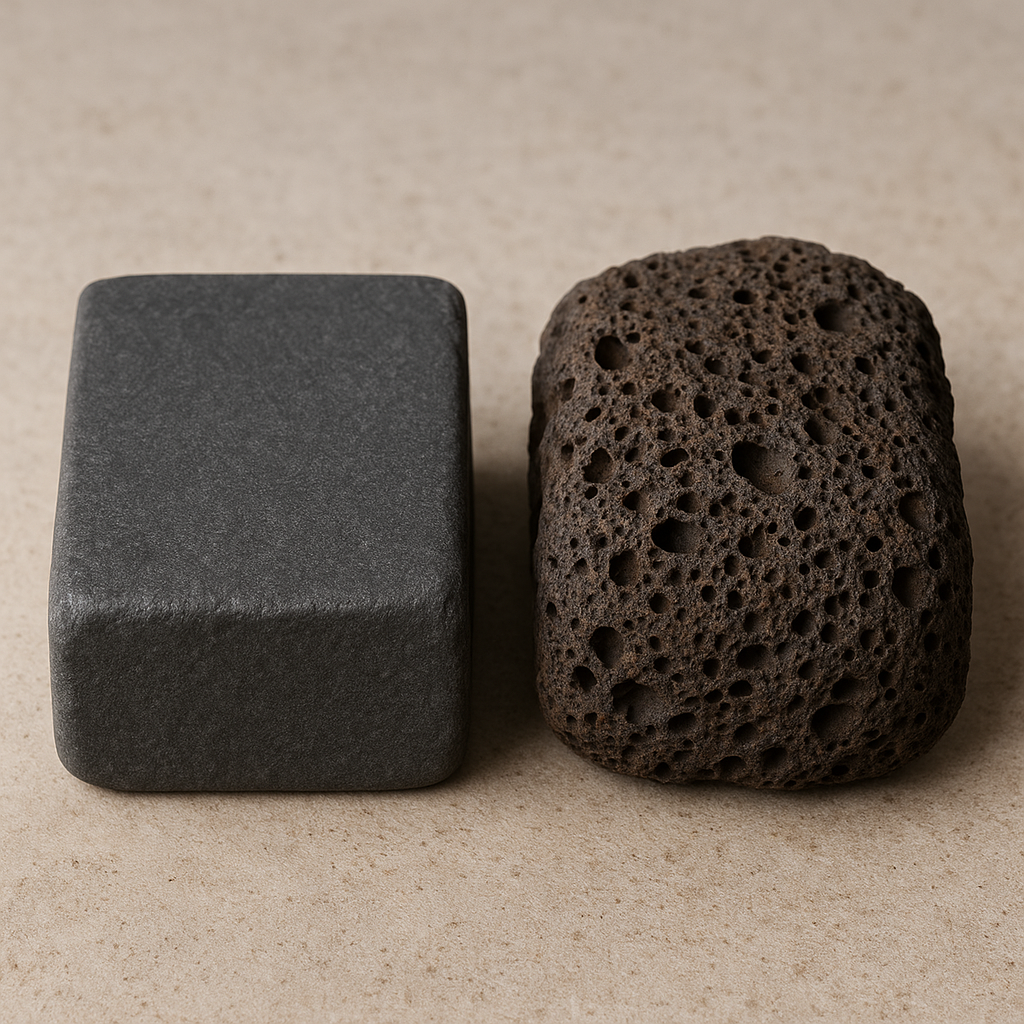
Basalt and Lava: Volcanic Natural Stone
Basalt and lava are natural stones of volcanic origin. Hard, frost-resistant and especially suitable outdoors. This article explains what they are like.
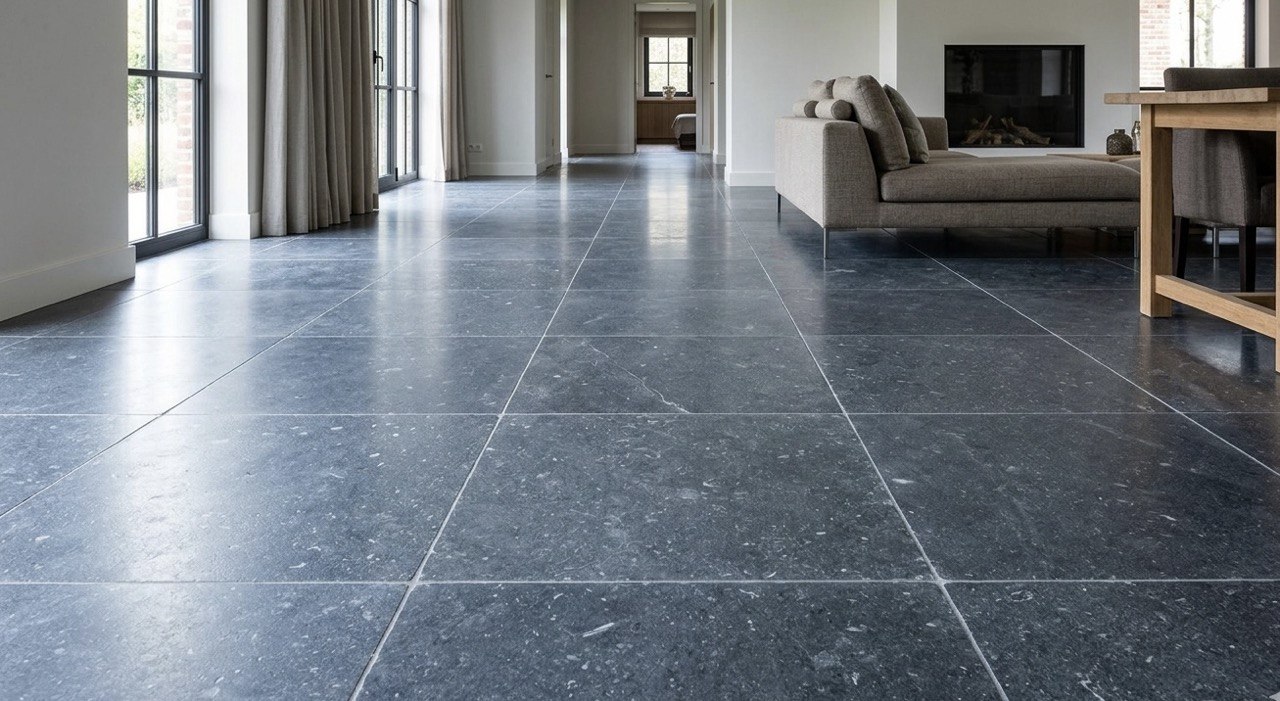
Belgian Bluestone: Everything You Need to Know
Belgian bluestone is one of the most widely used and valued natural stones in the Netherlands and Belgium. This complete guide explains what it is and how to use it.