Basalt and Lava: Volcanic Natural Stone
Basalt and lava are natural stones of volcanic origin. Hard, frost-resistant and especially suitable outdoors. This article explains what they are like.
DecoStone Natural Stone
Natural stone specialist · Amsterdam
Table of contents
From the core of the earth
Few rocks have a more dramatic origin story than basalt and lava. Both are volcanic in origin: they formed from magma that reached the earth's surface during volcanic eruptions and then cooled rapidly. That rapid cooling process — in contrast to the slow cooling of granite deep underground — gives volcanic rocks their characteristic fine-grained or porous structure.
Basalt formed from liquid magma that solidified relatively quickly. Because of this rapid cooling, the minerals did not have time to form large crystals; basalt therefore has a dense, fine-grained texture without visible crystals. It is one of the most common rocks on earth — much of the ocean floor consists of it — and is quarried in volcanically active regions such as Iceland, Germany (the Eifel), India and Brazil.
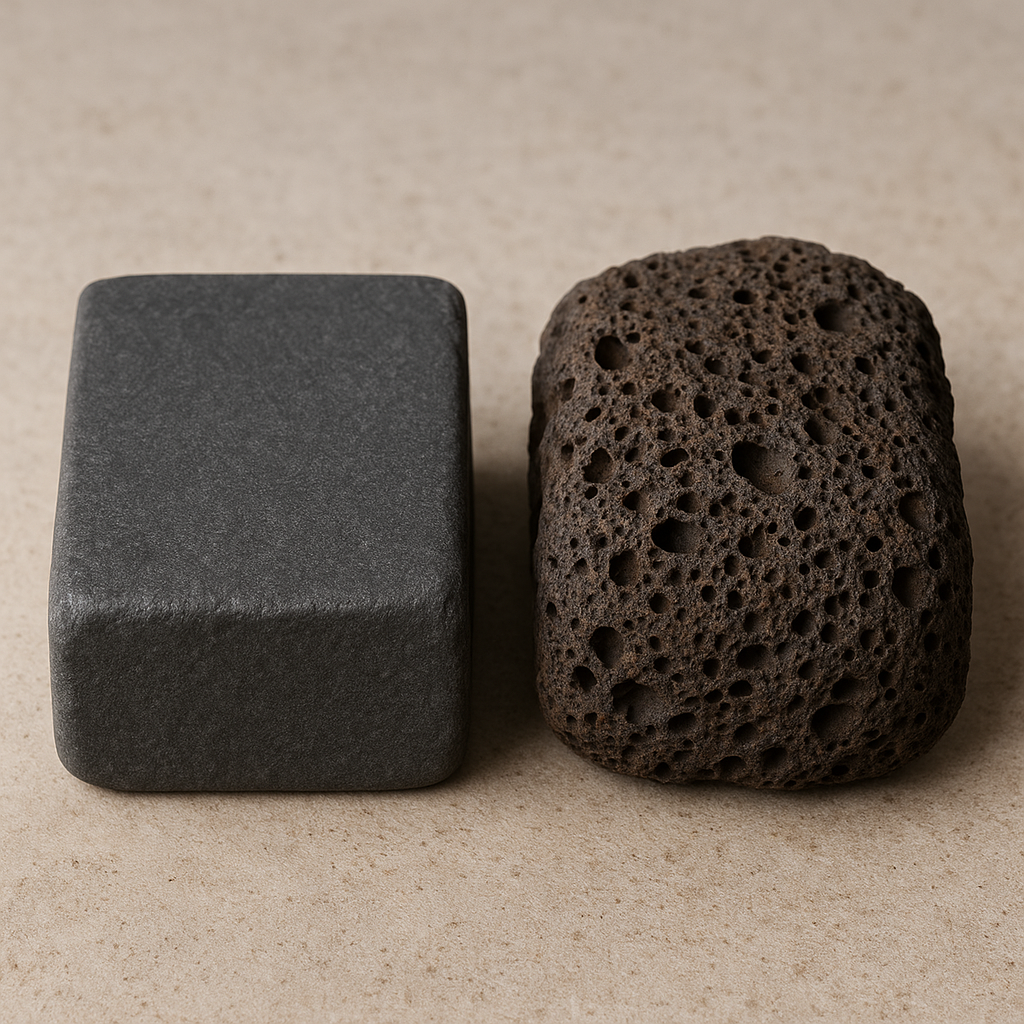
Lava stone is related to basalt but has a different texture because many gas bubbles remained trapped in the stone as it solidified. Because gases in the magma could not escape before it hardened, a porous, cellular structure was created. This makes lava stone lighter than basalt and gives it a rougher, more textured surface.
How do you recognise basalt and lava stone?
Basalt is dark — almost always dark grey to black, sometimes with a subtle blue-green tint. The surface is dense and smooth when sawn or polished, with a matte, robust appearance. You will not find fossils or veining in it; basalt is mineralogically uniform. That uniformity is also a useful identifying feature: you see no colour variation as in granite, no fossils as in limestone and no veining as in marble.
Lava stone is also dark, but it has an unmistakably porous structure. The small holes and cells are visible to the naked eye and give the material a rough, earthy appearance. Brushed or untreated lava stone has something of a petrified volcanic landscape about it — which is, in fact, what it is.
Properties
Hardness
Basalt scores between 5.5 and 7 on the Mohs scale. It is a hard rock with good resistance to wear. Because of its porosity, lava stone is slightly less hard, but it compensates with its lighter weight and rougher surface, which is less slippery and therefore tends to show wear less quickly in use.
Frost resistance
Basalt is highly frost-resistant. Its dense, barely porous structure admits little water, so there is very little water penetration that could lead to frost damage. This makes basalt one of the most reliable choices for outdoor applications in the Dutch climate.
Lava stone needs more attention. Its open porosity absorbs water more easily, and without impregnation, moisture penetration during severe frost can cause damage. Properly impregnated lava stone, however, is perfectly suitable outdoors, provided the impregnation is renewed periodically.
Slip resistance and safety
The rougher surface of basalt and lava stone naturally provides good slip resistance. In wet weather — precisely when slipperiness becomes dangerous — basalt tiles with a bush-hammered or brushed surface have a clear safety advantage over polished materials. This makes them popular for terraces, driveways, steps and pool edging.
Heat resistance
As a volcanic rock, basalt is used to high temperatures — literally. The material does not deform in heat and is very suitable as a base around outdoor fireplaces, barbecues or as a worktop in kitchens with an industrial look.
Applications
Outdoors — its strongest domain
Basalt and lava stone are quintessential outdoor materials. The combination of frost resistance, hardness and slip resistance makes them suitable for:
- Terraces — dark basalt tiles give a robust, modern look and stand up well to weathering
- Driveways and paths — high wear resistance under heavy use
- Pool edges and water gardens — moisture-resistant, slip-resistant and visually well matched to water environments
- Steps and thresholds — safe, wear-resistant, also in wet weather
- Facade cladding — dark basalt panels give architecture a strong, contemporary character
- Garden walls and piers — durable under weather exposure
Indoors
Although basalt is less common as an indoor floor than granite or limestone, it does have its uses:
- Floors in modern, industrial-inspired interiors
- Bathroom floors and shower floors (slip-resistant, moisture-resistant)
- Kitchen worktops for those who want a dark, robust look
- Lava stone as a tabletop or kitchen island, partly thanks to its heat resistance
Specific lava stone applications
Lava stone is also used as a substrate for enamel. Enamelled lava stone worktops are popular in professional kitchens and restaurant design: the enamel seals the porosity, provides colour and creates a smooth, hygienic work surface — with the warmth of stone underneath.
Limited colour choice — but that is precisely its strength
The most frequently mentioned disadvantage of basalt and lava stone is the limited colour range. Nature gives basalt a dark signature: dark grey, black, sometimes with blue-green or rust-brown tones. There is no white basalt, no warm beige and no cream. If you are looking for a light, warm floor colour, you will need to look elsewhere.
But those who deliberately choose the dark palette benefit from a uniformity and toughness that few other materials offer so convincingly. Basalt contrasts beautifully with light wood, white walls and greenery. In a minimalist or industrial setting, the dark stone is not a limitation — it is the focal point.
Maintenance
Basalt requires little maintenance. Regular cleaning with a pH-neutral cleaner is sufficient. Given its low porosity, impregnation is not always strictly necessary, but for outdoor use a good stone impregnator is recommended to limit moss growth and staining.
Read more about when you should impregnate your natural stone
Lava stone needs more attention because of its open structure. Without impregnation it absorbs water and stains. Annual treatment with a good impregnator significantly extends its service life and keeps the stone looking good.
View our complete guide to preparing outdoor stone for winter
Volcanic rocks do not develop etching from weathering in the way limestone or marble can. Acids do not attack basalt — another practical advantage in everyday use.
Need help?
Not sure about the right approach, or would you like to know what is possible? Send us a photo via WhatsApp and we will give you honest advice — without obligation.
Want to be sure which treatment is safe?
Send photos of the surface, room and problem. DecoStone assesses the material, damage pattern and risks before advising on a treatment or quotation.
Related articles
Cristallo Quartzite: Stone Profile, Maintenance and Points of Attention
Cristallo is a luxury quartzite with a crystalline, often translucent appearance. Read how to maintain, protect and assess this material safely.
Arduin: What Exactly Is It and Where Is It Used?
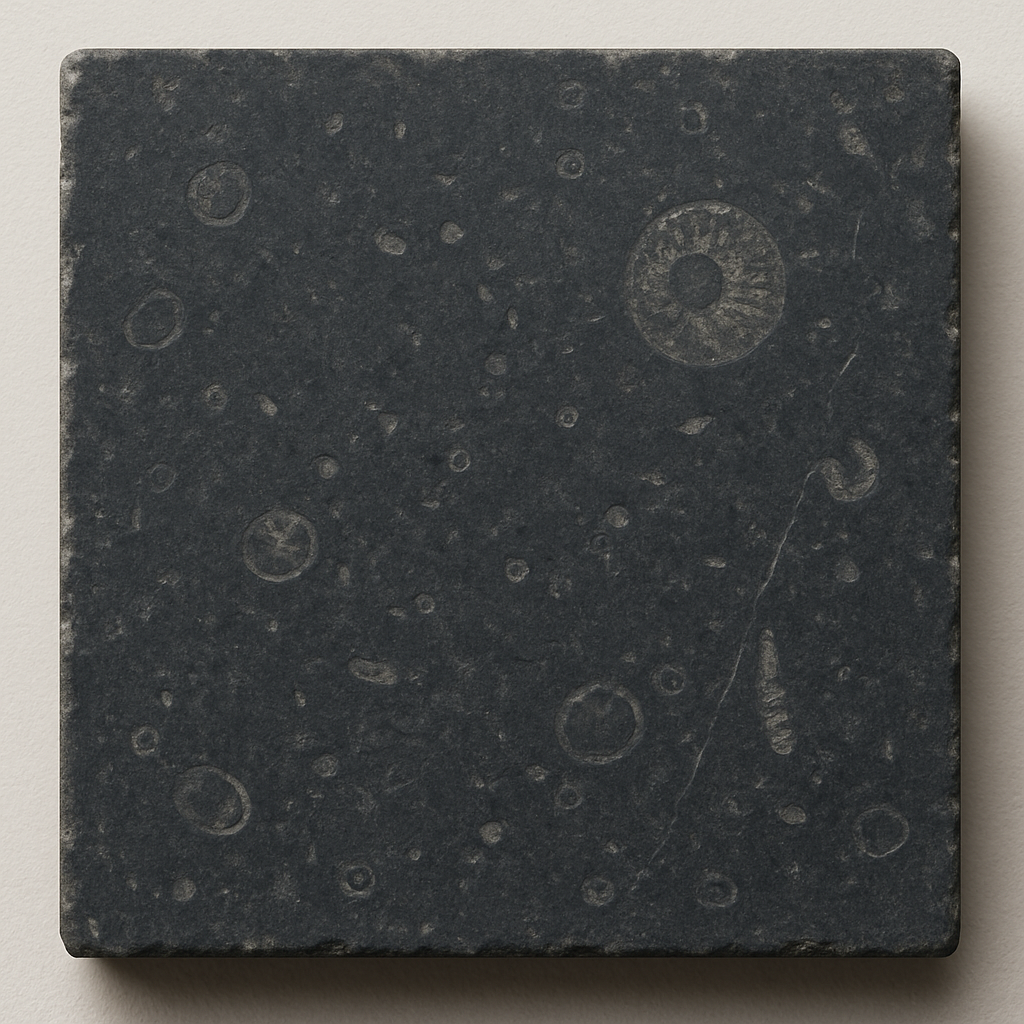
Arduin is a dark grey to black natural stone that is often confused with Belgian bluestone. This article explains what arduin is and where it is used.
Belgian Bluestone: Everything You Need to Know
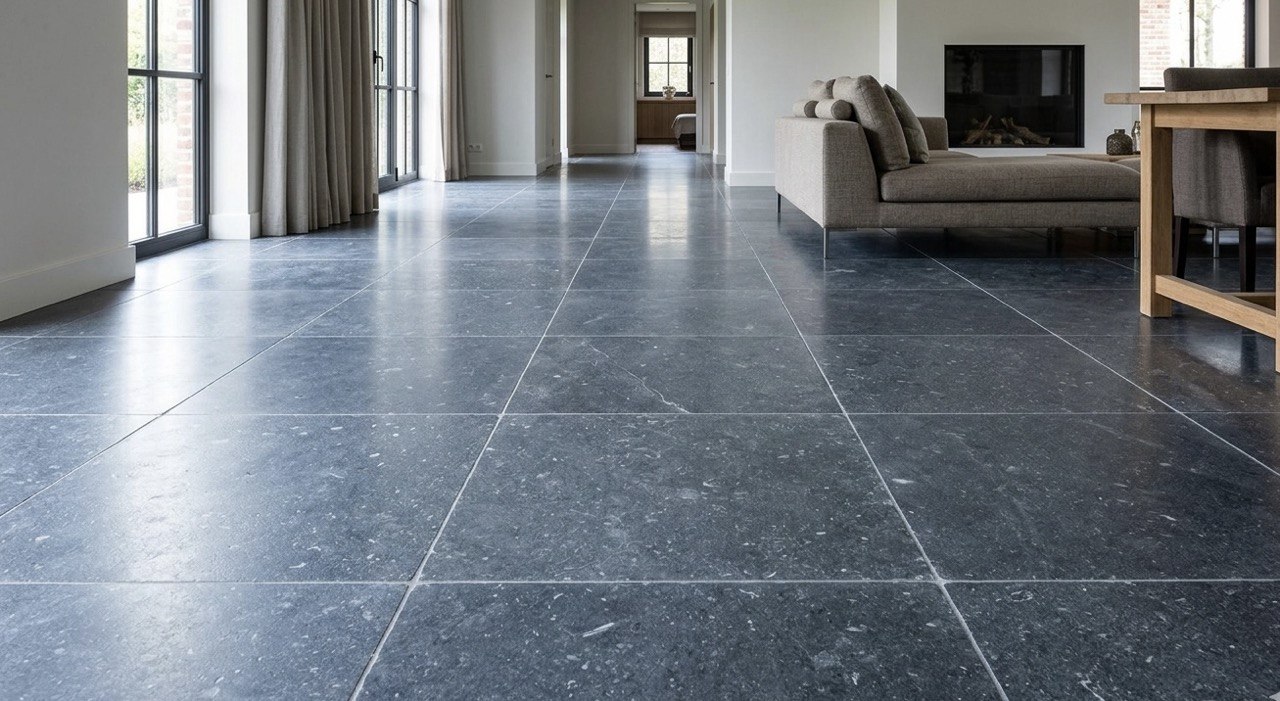
Belgian bluestone is one of the most widely used and valued natural stones in the Netherlands and Belgium. This complete guide explains what it is and how to use it.