Slate: Complete Guide
Slate is one of the most versatile and practical natural stones. This article explains what it is, where it comes from and how best to use and maintain it.
DecoStone Natural Stone
Natural stone specialist · Amsterdam
Table of contents
What is slate?
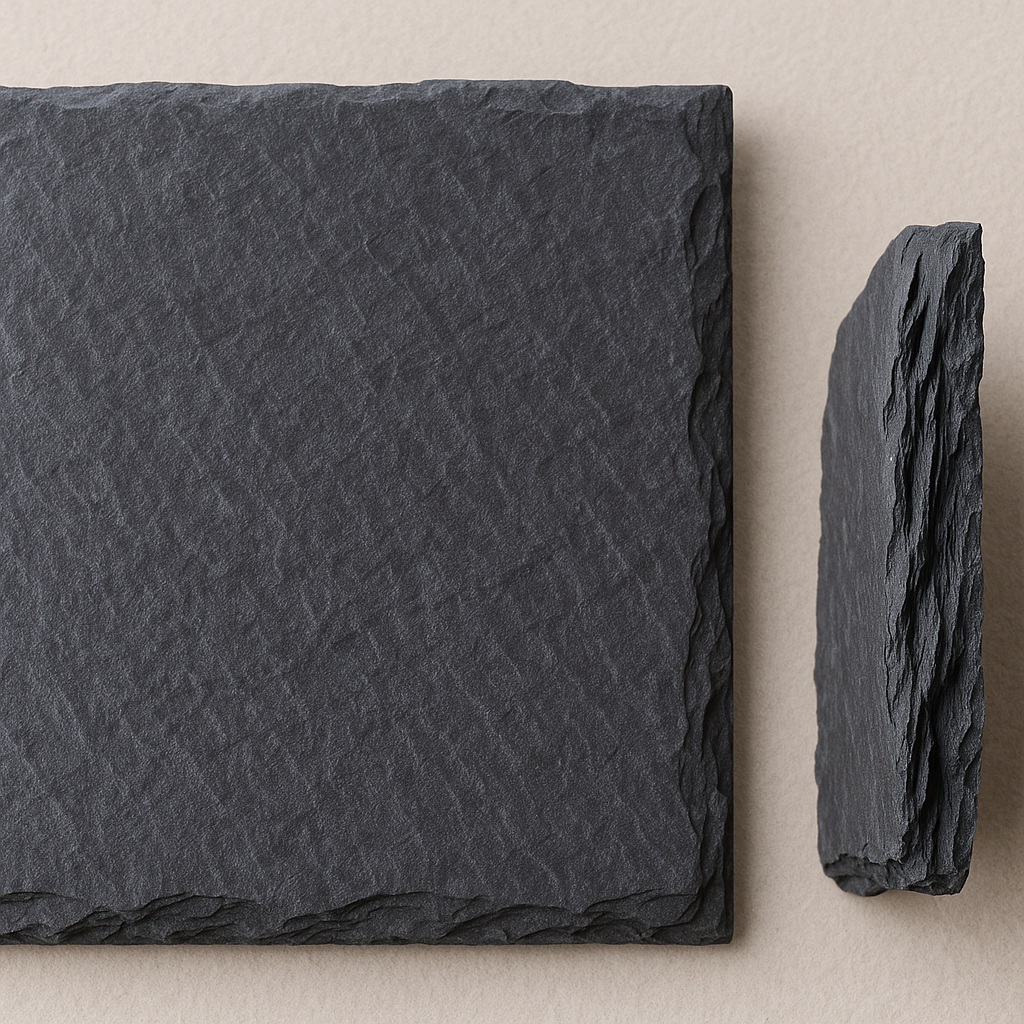
Slate is a metamorphic rock formed from clay or silt that has been transformed under high pressure and temperature. The main characteristic of slate is its clear layering — the stone splits easily into thin sheets along its natural layers. That property makes slate particularly suitable for roofing slates, floor tiles and wall cladding.
The best-known slates come from Spain, Wales, China and Brazil. Each origin has its own colour and structure: from dark grey and black to green, purple and rusty brown.
Historical context
Slate has been a popular roofing material for centuries. In mountainous regions such as Wales and the Ardennes, you can still see old slate roofs that are hundreds of years old. Slate was also used as floor tile in medieval buildings, churches and castles.
How do you recognise slate?
Slate is easy to recognise by its:
- Colour: dark grey, black, green, purple or rusty brown
- Structure: clear layering; splits easily into sheets
- Surface: naturally matte and rough, or lightly polished
- Weight: relatively light for natural stone
Applications
Slate is used widely, both indoors and outdoors:
Roofs: Slate roof tiles are durable, frost-resistant and can last for centuries. They are more expensive than ceramic tiles, but much more durable.
Indoor floors: Slate floor tiles provide a robust, natural appearance. They are wear-resistant and slip-resistant, even when wet. Ideal for halls, kitchens and bathrooms.
Outdoor floors: Slate terraces, paths and stairs are frost-resistant and slip-resistant. The natural structure provides good grip in wet weather.
Wall cladding: Slate wall panels give living rooms, halls and exterior facades a robust, natural look.
Kitchen worktop: Slate is suitable as a kitchen worktop, but it requires regular impregnation. It is heat-resistant and slip-resistant, but it can discolour in contact with acids.
Advantages
- Durable: lasts for decades to hundreds of years
- Frost-resistant: low water absorption, ideal outdoors
- Slip-resistant: naturally rough surface, safe in wet weather
- Heat-resistant: suitable for kitchen worktops and around fireplaces
- Unique appearance: every slab is different because of the natural layers
Disadvantages
- Can flake: because of the layering, flakes can come loose if installed incorrectly
- Variable thickness: natural slate is not always equally thick
- Colour differences: large variation in colour, difficult to match when extending later
- Sensitive to acids: can discolour in contact with lemon juice or vinegar
Maintenance
Impregnation
Impregnate slate after installation with a water-based stone impregnator. Repeat annually for outdoor use and every 2–3 years indoors. A good impregnator prevents stains and keeps the colour attractive.
Daily cleaning
Use warm water with a neutral stone cleaner. No vinegar, citric acid or aggressive cleaning products — they etch the surface and can cause discolouration.
If liquids are spilled: rinse immediately.
Repair
Minor flaking is normal and part of slate's character. Larger damage is difficult to repair.
Price indication
- Slate roof tiles: €60–120 per m²; including installation €100–200 per m²
- Indoor floor tiles: €40–80 per m²
- Outdoor floor tiles: €50–100 per m²
- Wall panels: €60–120 per m²
Prices are guidelines and vary by supplier, origin and thickness.
Slate is a beautiful choice for anyone looking for durability, a natural appearance and slip resistance. Not sure whether slate suits your project? DecoStone will be happy to help you choose.
See also: Basalt and Lava: Volcanic Natural Stone, Belgian Bluestone: Everything You Need to Know
Need help?
Not sure about the right approach, or would you like to know what is possible? Send us a photo via WhatsApp and we will give you honest advice — without obligation.
Want to be sure which treatment is safe?
Send photos of the surface, room and problem. DecoStone assesses the material, damage pattern and risks before advising on a treatment or quotation.
Related articles
Cristallo Quartzite: Stone Profile, Maintenance and Points of Attention
Cristallo is a luxury quartzite with a crystalline, often translucent appearance. Read how to maintain, protect and assess this material safely.
Arduin: What Exactly Is It and Where Is It Used?
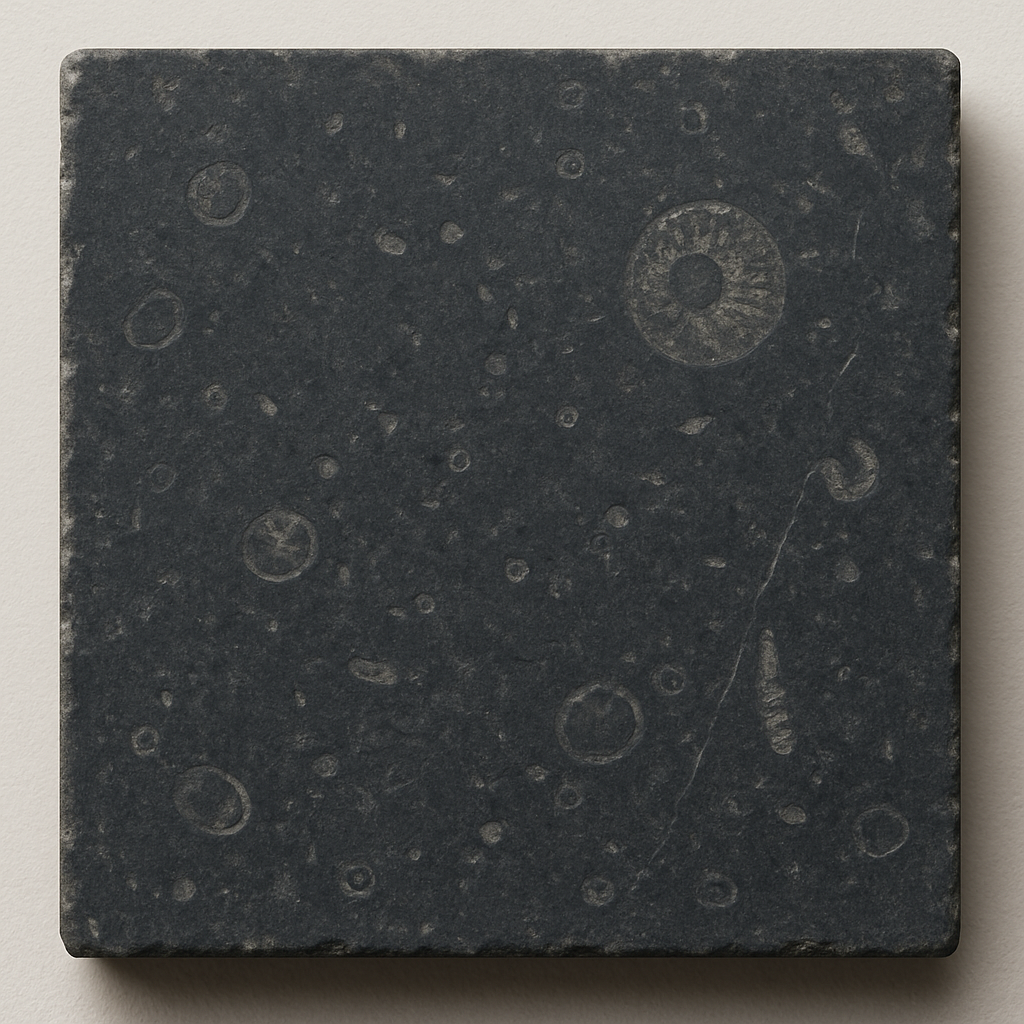
Arduin is a dark grey to black natural stone that is often confused with Belgian bluestone. This article explains what arduin is and where it is used.
Basalt and Lava: Volcanic Natural Stone
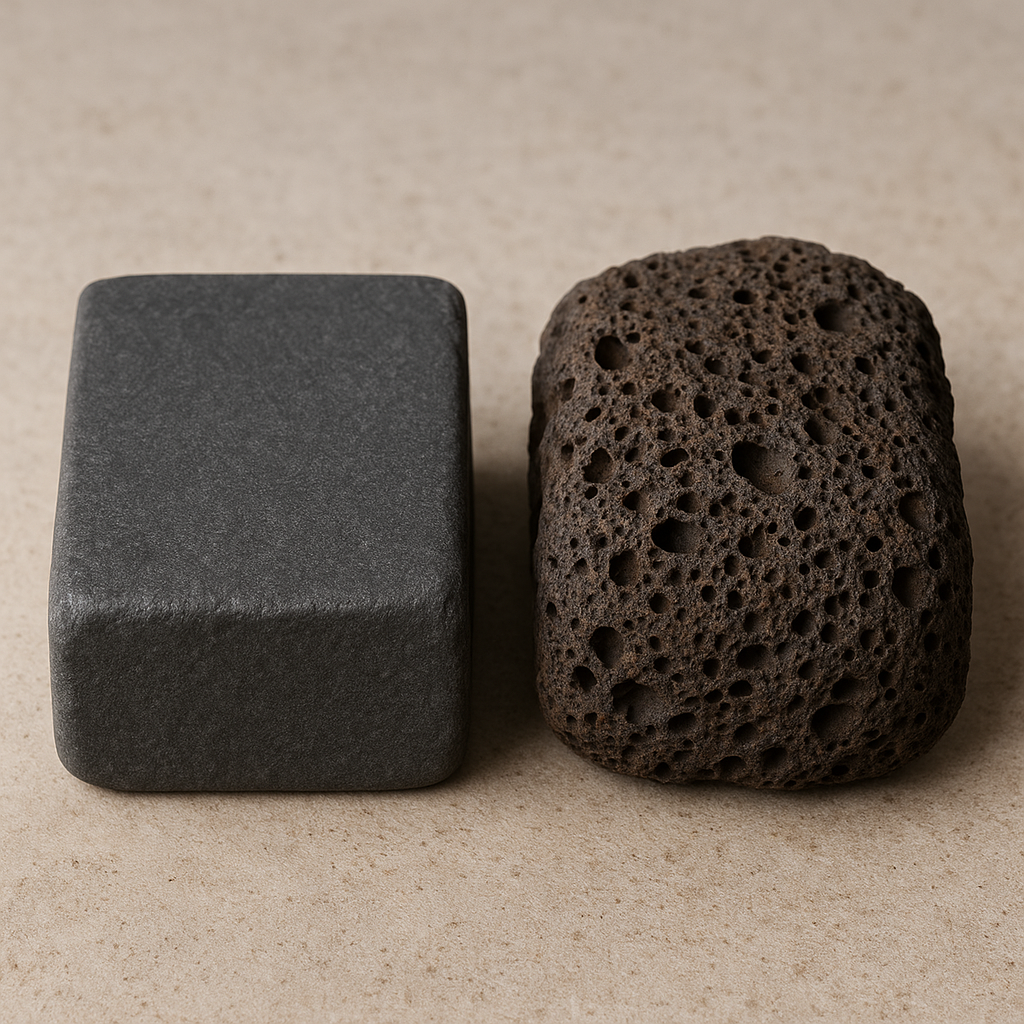
Basalt and lava are natural stones of volcanic origin. Hard, frost-resistant and especially suitable outdoors. This article explains what they are like.