Travertine: Characteristics, Advantages and Disadvantages
Travertine is one of the best-known decorative natural stones in the world. Warm in colour and full of character — but also demanding in maintenance. Read what you need to know.
DecoStone Natural Stone
Natural stone specialist · Amsterdam
Table of contents
What is travertine?
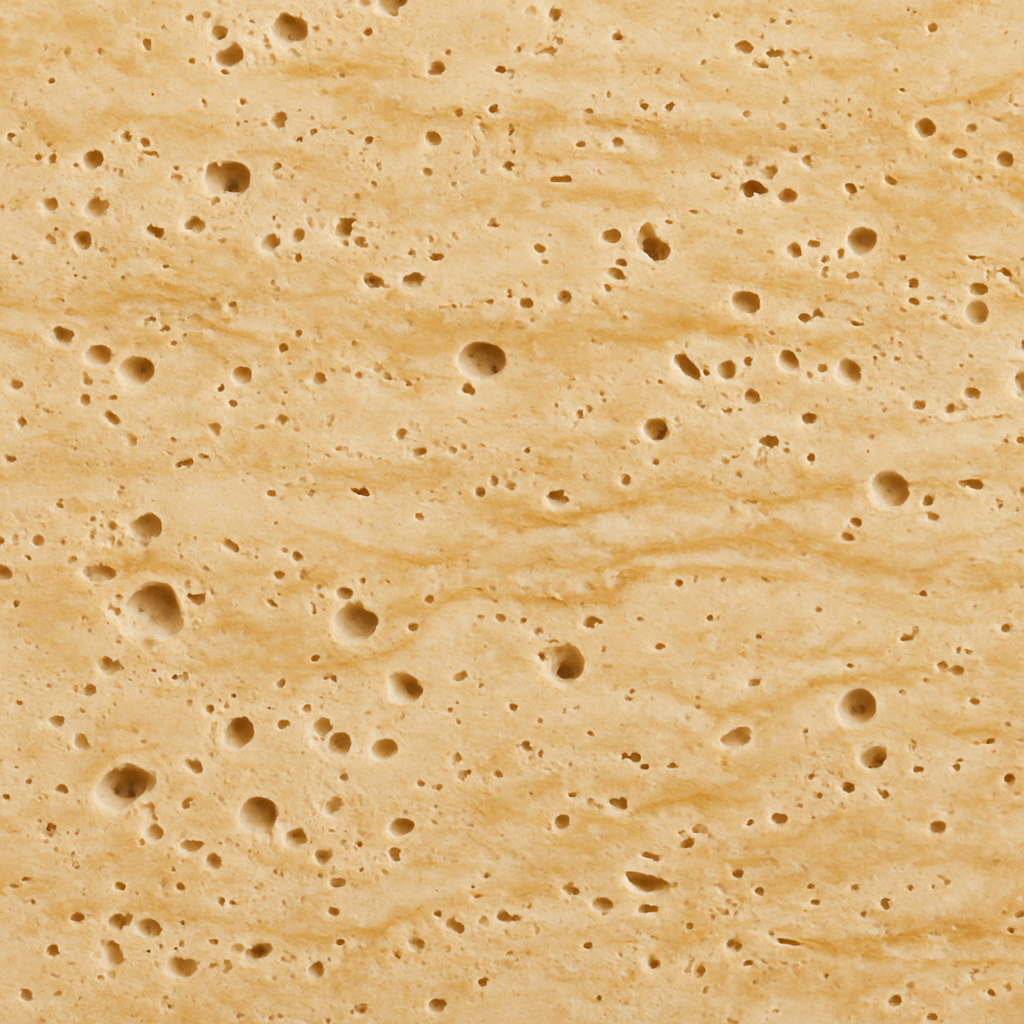
Travertine is a sedimentary limestone formed around hot springs and waterfalls, where carbonated water deposits calcium carbonate. Because deposition happens quickly, holes and channels form in the stone — the characteristic pore structure that makes travertine so recognisable.
The best-known travertine quarries are in Tivoli, near Rome in Italy. The Colosseum in Rome is largely built from travertine. Travertine is also quarried in Turkey, Iran, Mexico and Peru. Colour and structure vary strongly by origin: from pink-beige to dark brown and walnut brown.
Travertine is not millions of years old; it is a young stone with a fascinating story.
How do you recognise travertine?
Travertine is easy to recognise by its warm, layered appearance with visible holes and channels:
- Colour: beige, pink, brown — often not uniform
- Structure: horizontal layers with pores and channels
- Surface: filled (pores closed with cement-based filler) or unfilled (open pores)
- Feel: warm underfoot, lightly absorbent
Applications
Travertine is popular for interior projects where warmth and character are desired:
Floors: Travertine works very well on indoor floors, provided it is filled and impregnated. Its warm colour suits Mediterranean interiors, but also modern spaces if the rest of the interior is neutral. Travertine is less suitable for outdoor floors: it is sensitive to moisture and soiling.
Walls: Travertine wall tiles give bathrooms or living rooms a luxurious stone appearance. Practical load is low here, but quality varies greatly depending on origin.
Outdoors: Travertine can be used outdoors, but it requires extra care. Use only matt finishes and impregnated variants. Frost sensitivity is a major factor: stones with high water absorption (more than 1.5%) are risky in Dutch winters.
Kitchen worktops: Not recommended as a primary kitchen worktop. Travertine is porous and acid-sensitive — lemon, wine and vinegar attack the surface. If you do use it, ensure good impregnation and avoid using it in areas exposed to liquids.
Advantages
- Warm, unique appearance with character
- Can be repaired well when damaged
- Durable material with a long service life
- Wide range of sizes, thicknesses and finishes
- Affordable compared with marble (similar appearance, lower price)
Disadvantages
- Porous: requires impregnation and careful use
- Sensitive to acids: etching from lemon, wine and vinegar
- Variable quality: Chinese travertine differs greatly from Italian travertine
- Outdoor use: frost-sensitive; must be textured and impregnated
- Price: higher than many other natural stones
Maintenance
Impregnation
This is the most important step. Always impregnate travertine before use, and repeat this annually for outdoor applications. Use a water-based impregnator suitable for limestone. A good impregnator penetrates the pores and forms a barrier against water and dirt.
Do not use oil — it causes stains and encourages algae growth.
Daily cleaning
Use a neutral stone cleaner in water. Use a soft cloth or microfibre cloth. No vinegar, lemon or aggressive cleaning products — they etch the surface.
If liquids are spilled (lemon, wine, vinegar), rinse immediately. The longer they remain, the deeper the stain.
Repairing etching
Etching (white, matt marks) is repaired by sanding the surface and impregnating it again. With severe damage, a stone restorer can hone or re-polish the stone.
Price indication
- Floor tiles (filled, matt): €35–80 per m², depending on origin and size
- Wall tiles: €30–70 per m²
- Stair treads and window sills: €100–300 per linear metre, depending on profile and material
Prices are guidelines and vary by supplier, size and processing.
Travertine is a beautiful choice for anyone who wants a warm, unique look and is willing to take the extra care it requires. Not sure whether travertine suits your project? DecoStone will be happy to help you choose.
See also: Limestone: types and properties at a glance
Need help?
Are you unsure about the right approach, or would you like to know what is possible? Send a photo via WhatsApp and we will give you honest advice — without obligation.
Want to be sure which treatment is safe?
Send photos of the surface, room and problem. DecoStone assesses the material, damage pattern and risks before advising on a treatment or quotation.
Related articles
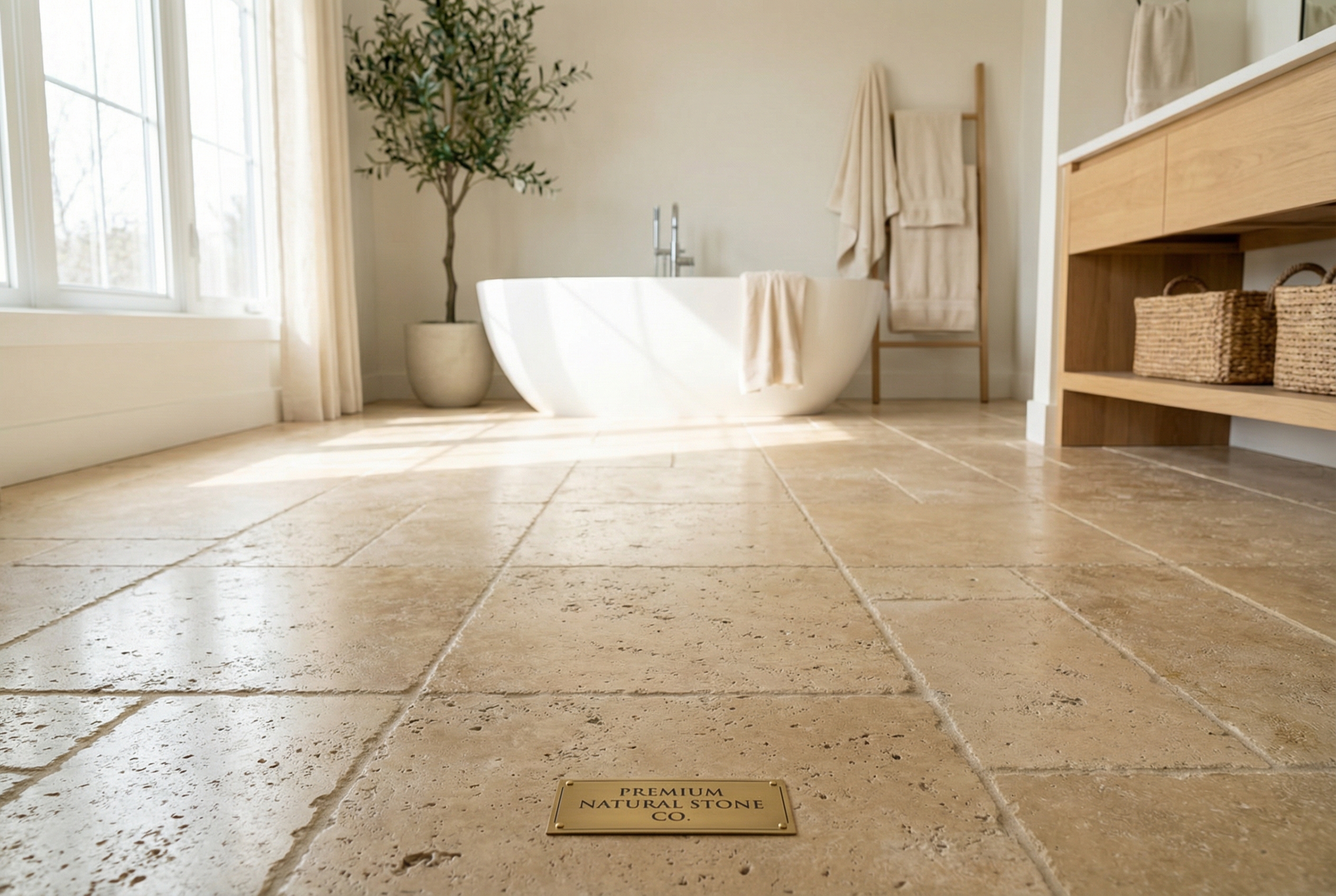
Maintaining a Travertine Floor: Cleaning, Filling and Protecting
Travertine is beautiful but requires specific care. Everything about daily cleaning, filling pores, impregnation and what acid does to this stone.
Cristallo Quartzite: Stone Profile, Maintenance and Points of Attention
Cristallo is a luxury quartzite with a crystalline, often translucent appearance. Read how to maintain, protect and assess this material safely.
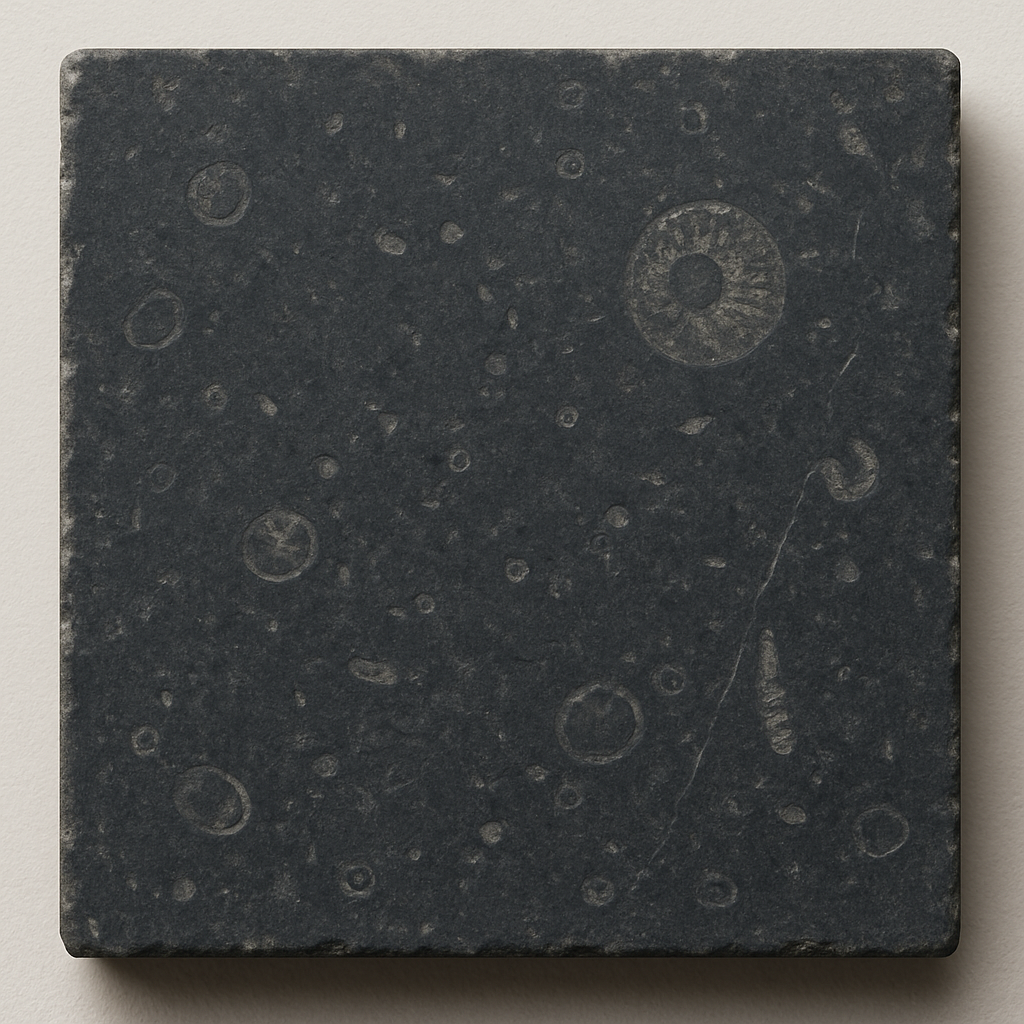
Arduin: What Exactly Is It and Where Is It Used?
Arduin is a dark grey to black natural stone that is often confused with Belgian bluestone. This article explains what arduin is and where it is used.