Limestone: Types and Properties at a Glance
Limestone is one of the most versatile sedimentary stones. This article discusses the best-known types, their properties and sensitivity to acids.
DecoStone Natural Stone
Natural stone specialist · Amsterdam
Table of contents
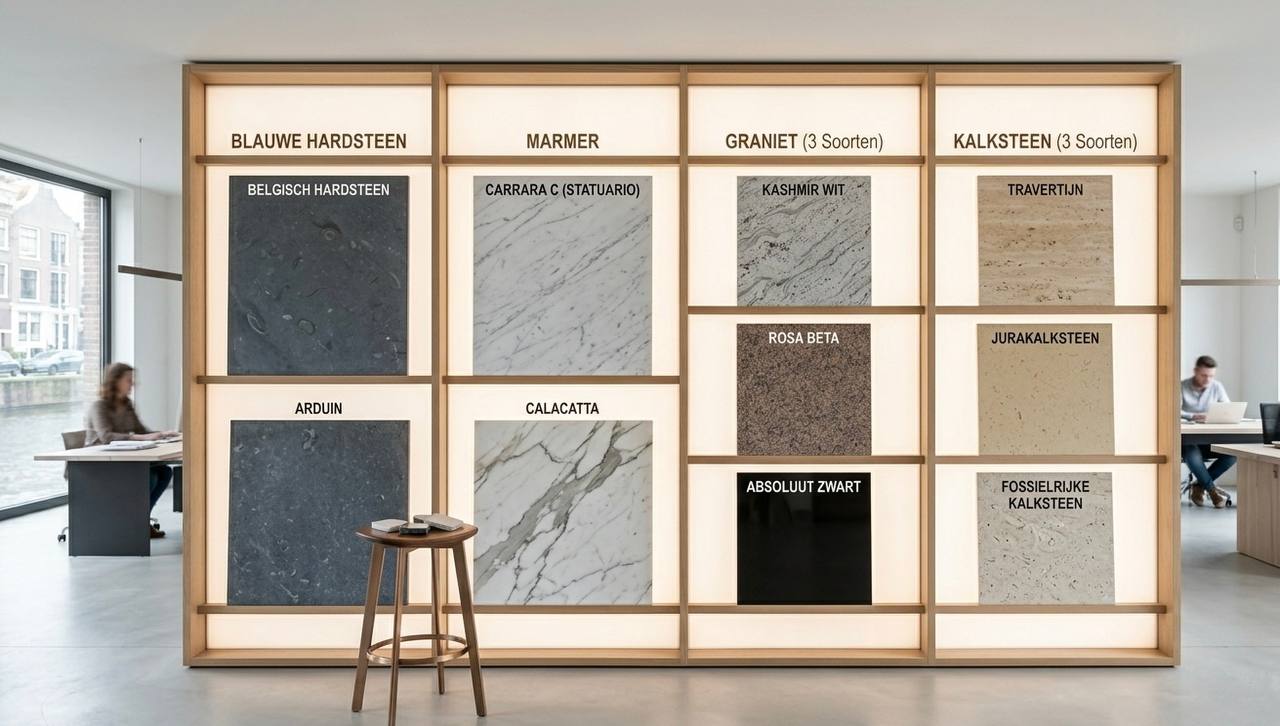
What is limestone?
Limestone is a sedimentary rock made mostly of calcium carbonate (CaCO₃). It formed on the beds of ancient seas and lakes, where shells, corals and other lime-rich remains accumulated and were compressed over millions of years. That organic origin immediately explains why limestone can contain such a wide variety of textures, colours and fossils — each layer tells a different geological story.
As a building material, limestone has been used for thousands of years. Egyptian pyramids, Greek temples, medieval churches — all were built with calcareous stones. Today, limestone is used as floor tile, wall cladding, stair tread and facade stone.
The best-known types of limestone
Jura limestone
Jura limestone — also known more broadly as Jurakalk or Solnhofen Plattenkalk — comes from the Jurassic period and is quarried mainly in the Bavarian Altmühl valley in Germany. The stone has a light beige to golden-yellow colour and often contains visible fossils: shell remains, crinoid fragments and occasionally small crustacean impressions. This fossil richness is what makes Jura limestone especially attractive to many people.
The structure is relatively dense, and the surface finish can range from sawn and brushed to polished. Jura limestone is widely used for floors, worktops and outdoor steps.
Solnhofen limestone
Solnhofen is a finer variant from the same Bavarian region. Geologically it is related to Jura limestone, but it has an exceptionally even, compact structure. Its colour ranges from creamy white to pale yellow. Because of its uniform texture, Solnhofen limestone was historically the standard for lithography — printing on stone. Today it is mainly used as floor tile and facade cladding, particularly in projects where a clean, refined result is desired.
Muschelkalk
Muschelkalk (literally: shell limestone) is a limestone named after the many shell fragments visible in its surface. The stone dates from the Triassic period and is quarried in Germany and parts of Central Europe. Its colour ranges from light grey to beige and warm brown. Muschelkalk has a rough, lively character that suits rustic and classic interiors. Outdoors, it is valued for its good frost resistance.
Portuguese limestone
Portugal has rich limestone quarries, particularly in the Moleanos and Pé de Pedreira regions. Portuguese limestone has a warm creamy-white to light beige tone with subtle veining. The stone is compact, relatively hard for a limestone and takes a polish well. In hotels and high-end residential construction, Portuguese limestone is often used as an alternative to marble — it has a similarly elegant appearance but is usually somewhat more affordable and less prone to discolouration.
Other well-known variants
In addition to the types mentioned above, dozens of other variants are available, including:
- Trani limestone from Apulia (Italy) — compact, white-beige, with a classic Mediterranean character
- Jerusalem limestone from Israel — golden yellow, warm in tone, widely used in monumental construction
- Turkish limestone (including Afyon and Diyarbakır) — broad colour palette, good hardness
- Belgian bluestone — technically a limestone, blue-grey, extremely dense and durable
Properties of limestone
Hardness and porosity
Limestone averages between 3 and 4 on the Mohs scale. That is noticeably softer than granite (6–7) or quartzite (7+). Scratch limestone with a coin and you will leave a mark; with granite you will not. That lower hardness affects its use: in busy spaces or under heavy load, limestone wears faster than harder stone types.
Porosity varies greatly by type. Dense varieties such as Solnhofen and Portuguese limestone are only slightly porous and do not absorb liquids as readily. More open, coarser varieties, such as some Turkish limestones, can be more absorbent and require good impregnation before use in a kitchen or bathroom.
Acid sensitivity — the critical point
This is the property that deserves the most attention: limestone is sensitive to acids. Calcium carbonate reacts with acids, and etching occurs faster than most people expect. Lemon juice, vinegar, carbonated drinks, wine — all can create dull marks or tiny pits in the surface within minutes.
That does not mean limestone is unsuitable for kitchen worktops or dining tables, but it does require awareness. Wipe up spills immediately, avoid acidic cleaning products and impregnate regularly to reduce the risk considerably. On floors and walls, acid sensitivity is less problematic as long as cleaning is done with a pH-neutral cleaner.
Colour and character
Limestone is naturally calmer in colour than granite or marble. Tones range from white and cream to beige, grey and warm yellow. Fossils, shell fragments and subtle veining add life without the busy pattern that some people find overwhelming in marble. Limestone therefore fits very well in Scandinavian, Mediterranean and modern country interiors.
Applications
Indoors, limestone is widely used for:
- Floor tiles in living rooms and bedrooms
- Wall cladding in bathrooms (provided it is properly impregnated)
- Steps and landings
- Kitchen worktops in kitchens with low acid exposure
- Window sills and fireplace surrounds
Outdoors, limestone is suitable for:
- Terraces and paths (when properly impregnated and a frost-resistant type is chosen)
- Facade cladding
- Gateways, pilasters and garden ornaments
For outdoor use, pay attention to frost resistance for each specific type. Dense limestones such as Muschelkalk and certain Portuguese varieties are tested for frost resistance; more open, porous types can be damaged in severe winters by water penetration and freezing.
Maintenance in brief
Limestone should be impregnated periodically — depending on use and exposure, once or twice a year. Read when you should impregnate your natural stone. Use only cleaning products with a neutral pH value. Abrasives are out of the question. Acid etching can in some cases be restored by honing or light grinding, but prevention is always easier than repair.
More about cleaning limestone without damage
With the right care, limestone lasts for decades and develops a beautiful patina that gives the stone more character over time.
Need help?
Not sure about the right approach, or would you like to know what is possible? Send us a photo via WhatsApp and we will give you honest advice — without obligation.
Want to be sure which treatment is safe?
Send photos of the surface, room and problem. DecoStone assesses the material, damage pattern and risks before advising on a treatment or quotation.
Related articles
Cristallo Quartzite: Stone Profile, Maintenance and Points of Attention
Cristallo is a luxury quartzite with a crystalline, often translucent appearance. Read how to maintain, protect and assess this material safely.
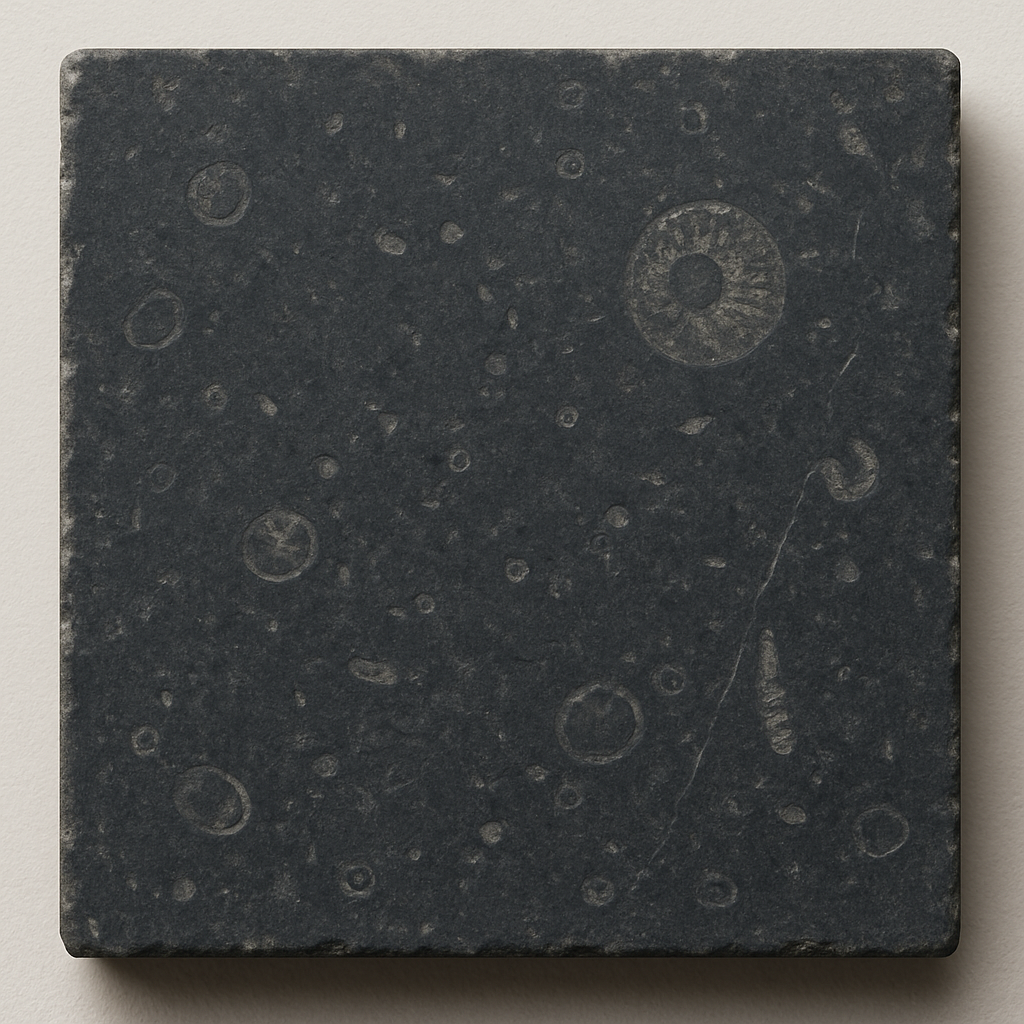
Arduin: What Exactly Is It and Where Is It Used?
Arduin is a dark grey to black natural stone that is often confused with Belgian bluestone. This article explains what arduin is and where it is used.
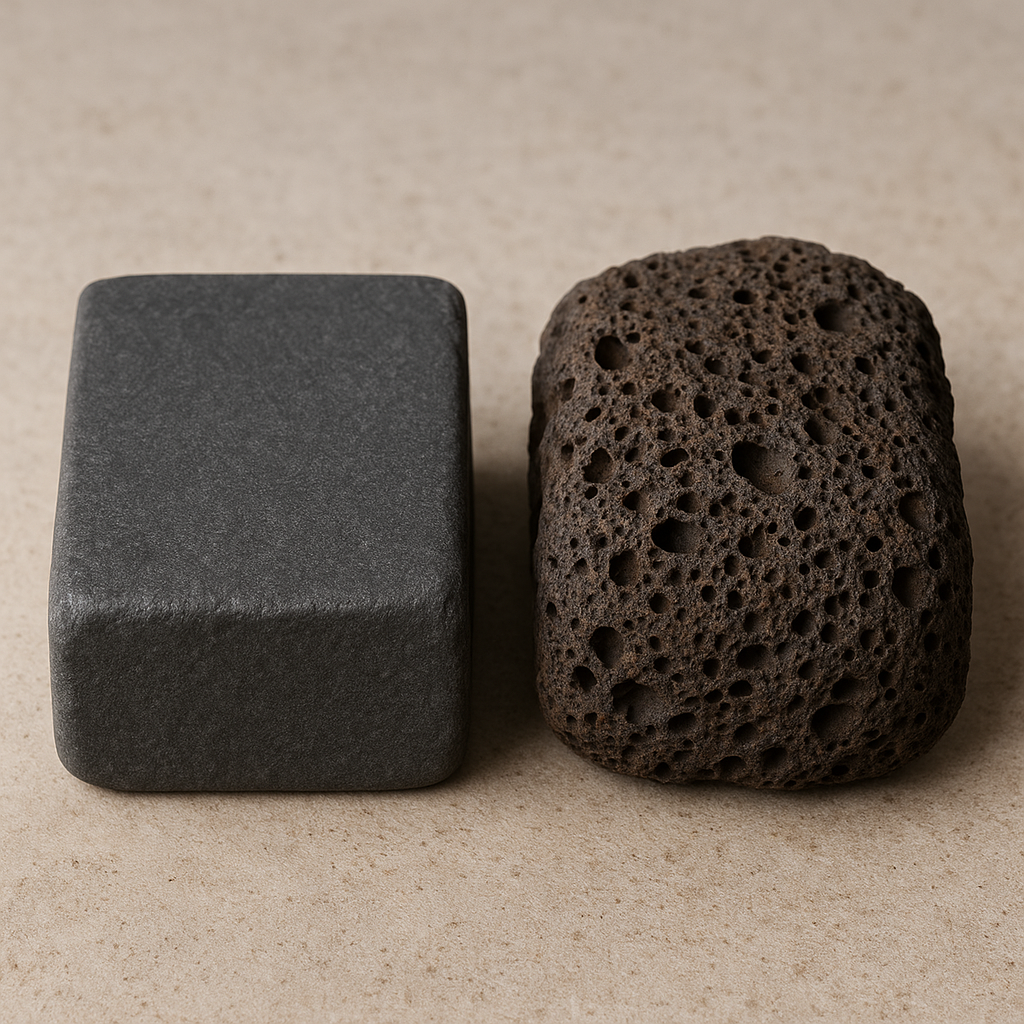
Basalt and Lava: Volcanic Natural Stone
Basalt and lava are natural stones of volcanic origin. Hard, frost-resistant and especially suitable outdoors. This article explains what they are like.