What Can You Do Yourself with Natural Stone, and What Is Better Left Alone?
Not every natural-stone task is best done yourself. Read when you can get started on your own and when it is better to call in a specialist.
DecoStone Natural Stone
Natural stone specialist · Amsterdam
Table of contents
Not everything is best done yourself
Sanding, grinding and polishing are usually better left to a specialist. There are kits available for DIY polishing, but in practice this often proves more difficult than people expect beforehand. Many people start themselves and later ask whether the surface can still be restored professionally. Grinding powders and polishing products are available, but if you do not know exactly what you are doing, there is a strong chance the result will disappoint or the surface will become less attractive.
What you can do yourself
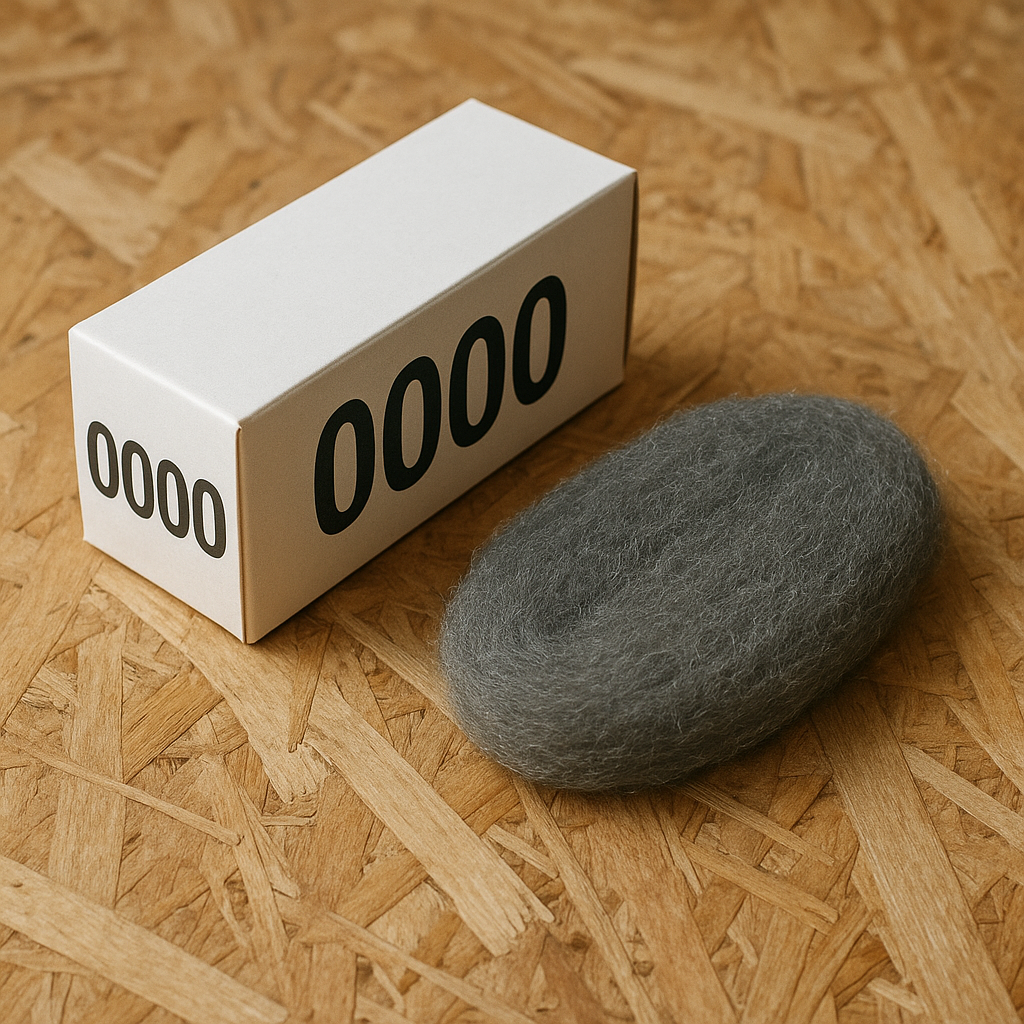
Light limescale on smooth natural-stone tiles can be removed very well with 0000 steel wool. This is a very fine steel wool that does not damage the stone. You can also use it to remove limescale from a glass shower door, where products such as Antikal are often used on other materials.
The right cleaning product
For ordinary maintenance of natural stone, it is important always to use a neutral cleaning product, such as DeterTwins or products from BioShield. A neutral cleaner contains no acids, no oil and no grease.
This is especially important with natural stone that has been impregnated. If you use products such as green soap or other cleaners that contain oil or grease, they can cause streaks and leave a greasy film. That film attracts dirt and is difficult to remove.
Never use acidic products on natural stone
This is the most important warning in this article. People regularly try to remove limescale with Antikal, Viakal or ordinary cleaning vinegar. On ceramic tiles that works well, but on natural stone it is disastrous. Calcareous stones such as marble, limestone, travertine and Belgian bluestone react with acid. The result: matte, dull marks (etching) that cannot simply be polished away by hand.
This also applies to citric acid, cola and even some "all-purpose cleaners" that contain acid. Always check the label.
If in doubt: test first, or just ask
Would you still like to try something yourself? Always test first in an inconspicuous place: a corner hidden by a cabinet, the back of a loose tile, or a leftover piece you may still have.
And if you are unsure, send us a photo via WhatsApp before you start. We will tell you honestly what you can do yourself and when it is better to wait. Experimenting on your own usually only makes the problem bigger — and more expensive to repair.
In brief
| What | Advice |
|---|---|
| Sanding, grinding and polishing | Do not do this yourself — leave it to a specialist |
| Working with grinding powder or polishing kits | Only if you know what you are doing |
| Removing light limescale with 0000 steel wool | Fine to do yourself on smooth natural stone or glass |
| Daily maintenance | Use a neutral cleaner such as DeterTwins or BioShield |
| Green soap or greasy products | Do not use — they cause streaks and leave a greasy film |
Also read: installing natural stone yourself or hiring a professional?
Need help?
Not sure about the right approach, or would you like to know what is possible? Send us a photo via WhatsApp and we will give you honest advice — without obligation.
Want to be sure which treatment is safe?
Send photos of the surface, room and problem. DecoStone assesses the material, damage pattern and risks before advising on a treatment or quotation.
Related articles
Preparing for the Workday: How to Be Ready for DecoStone
DecoStone will soon visit for maintenance, repair, polishing or impregnation of natural stone. With this preparation, the workday can run calmly, neatly and efficiently.
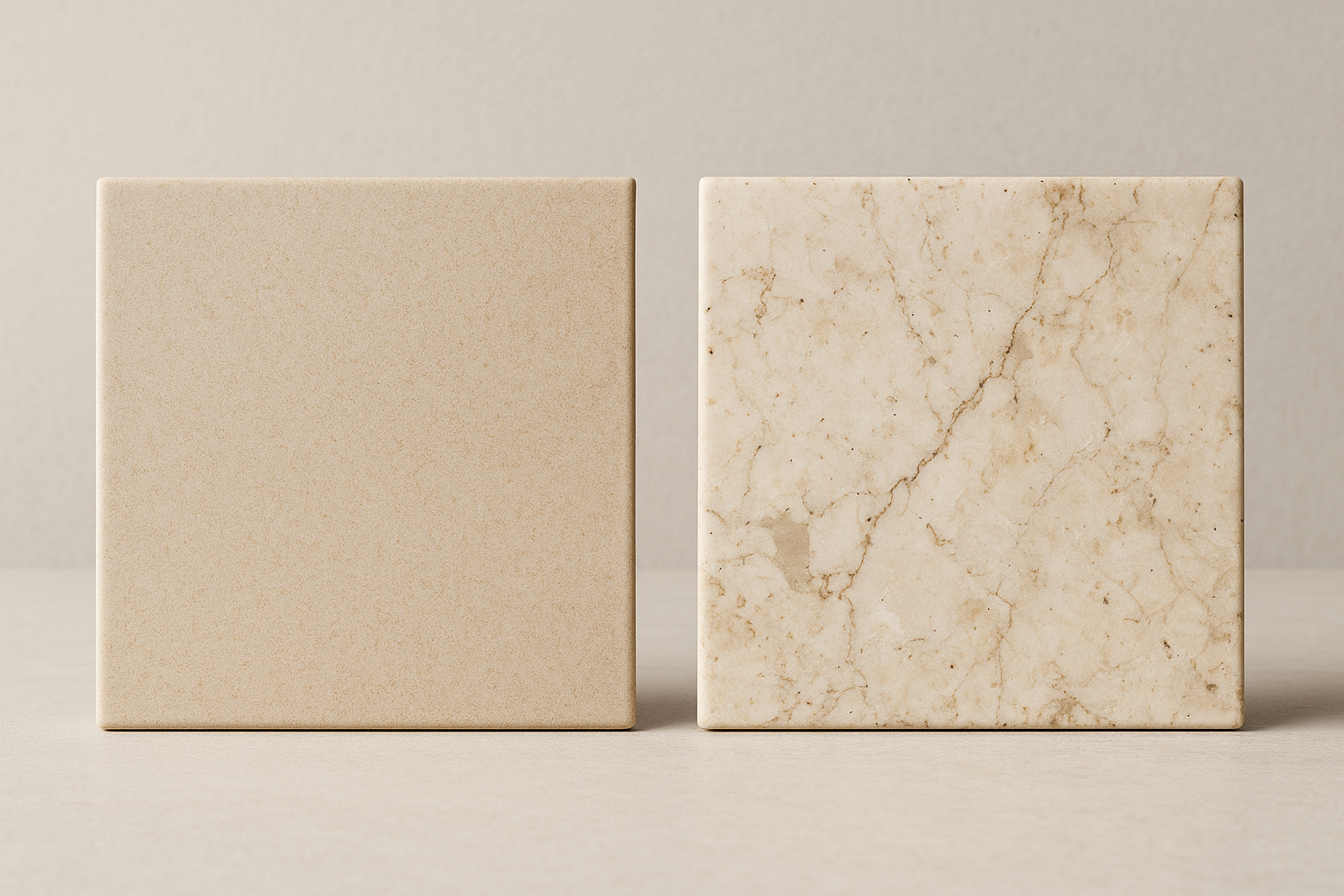
Ceramic vs. Real Natural Stone: An Honest Comparison
Ceramic tiles imitate stone better and better. But there are essential differences that only become visible after years — or sooner than expected. What should you consider?
Importing Natural Stone? Check Quality Control Before Handover
Importing natural stone yourself, or having it supplied through several parties, can work well, but it requires proper quality control. Especially with quartzite such as Taj Mahal, repair costs after installation can rise sharply.