Importing Natural Stone? Check Quality Control Before Handover
Importing natural stone yourself, or having it supplied through several parties, can work well, but it requires proper quality control. Especially with quartzite such as Taj Mahal, repair costs after installation can rise sharply.
DecoStone Natural Stone
Natural stone specialist · Amsterdam
Table of contents
Buying cheaper is not the same as delivering cheaper
Importing natural stone directly, or having it supplied through several parties, can be financially attractive. That does not have to be a problem. There are good suppliers, fabricators and importers who work carefully and make clear quality agreements.
The risk mainly arises when the checks between purchase, fabrication, transport and installation are not sufficiently defined. Natural stone is not a standard factory product. Every slab has its own veining, hardness, internal tension, structure and response to machining. A small deviation that can still be assessed properly before fabrication may suddenly become an expensive repair project after installation.
That is why quality control before handover is important. Not to assign blame afterwards, but to prevent problems.
What do we mean by marks or polishing bands?
By marks, bands or processing traces, we mean visible lines, matte zones, differences in gloss or machine marks in the surface. They often stand out especially in raking light: light that falls obliquely across the worktop, floor or wall.
Possible causes include:
- a skipped step in the sanding or polishing process
- a hard contaminant under a pad or machine
- uneven pressure during processing
- insufficient refinement between coarse and fine grits
- damage during transport, storage or fabrication
- visible differences between factory finish and areas touched up by hand
This does not automatically mean that one party has done poor work. Natural stone passes through several hands. That is precisely why it is sensible to record at each stage who checks the material, when it is checked and what is considered acceptable.
Marble is often easier to correct than quartzite
Not every material can be restored in the same way.
Marble is relatively soft. When there are processing marks, fine scratches, dull spots or polishing faults in a marble worktop or floor, repair is often very possible. The surface can be sanded again, honed and polished. On site this is feasible in many cases, depending on accessibility, edge finish, thickness, existing damage and the desired gloss level.
As a practical indication, marble worktops or surfaces on site can sometimes be treated at around 3 to 3.5 m² per day. It remains bespoke work, but in practice marble is often more forgiving than many harder stone types.
With quartzite, it is different.
Quartzite, including materials such as Taj Mahal, is much harder and denser in structure. That makes the material strong and popular, but also technically demanding to correct manually afterwards. Processing marks or polishing bands in lightly honed or polished quartzite can be very labour-intensive to reduce. Sometimes a completely invisible repair is not realistic without extensive treatment.
Also read: quartzite vs. quartz composite — what is the difference?
More specifically: repairing marks and polishing bands in Taj Mahal quartzite
Why repair after installation can become so expensive
The moment at which a problem is discovered often determines the cost.
When a slab is still loose, the finish can be assessed all around. Think of gloss, processing marks, scratches, edge damage, fracture lines, stains and colour differences. If something is not right at that stage, the material can sometimes still be rejected, reworked or used differently.
Once the material has been installed, everything changes. Repair then has to be done on site, often between cabinets, walls, appliances, sealant joints or finished building elements. The surroundings must be protected. Edges and corners require handwork. With worktops or wall cladding, working space is limited. With hard materials, every correction step takes more time.
This is why repair afterwards can become costly. Especially with several metres of quartzite, manual correction on site can amount to a large part of the cost of supplying and fabricating new material. In some situations, repair costs can approach 60 to 70 percent of a new supply.
That is not an argument against natural stone. It is an argument for proper preparation.
Where things often go wrong when importing yourself
Importing yourself or buying directly can work well when the right people review the material. Problems usually arise when there is too little visibility of the technical steps between slab and finished result.
Important questions include:
- Who assesses the slab before fabrication?
- Is the finish checked under raking light?
- Were photos or videos taken before transport?
- Has it been clearly recorded whether the material should be polished, honed, brushed or leather-finished?
- Is it known how vulnerable the material is during loading, storage and fabrication?
- Who checks the slab material before it is cut?
- What happens if processing marks, scratches or gloss differences are visible after installation?
With materials such as Taj Mahal quartzite, this control is especially important. The material is expensive, hard and visually often calm and light in colour. As a result, processing marks, matte bands or gloss differences can stand out quickly.
Quality control protects all parties
Good quality control is not only in the customer's interest. Suppliers, contractors, interior builders and fabricators also benefit.
When it is clear in advance what quality is expected and when it will be checked, discussions afterwards are avoided. The customer knows what they are buying. The supplier can show what has been delivered. The fabricator knows what material they are working with. And the contractor avoids a handover issue appearing only when the project should already have been finished.
This helps maintain the good reputation of natural stone. Natural stone is a high-quality material, but it requires expertise and care.
Checklist before fabrication or handover
Use these control points before natural stone is definitively fabricated or installed:
- View the slab or worktop in daylight and under raking light.
- Check for processing marks, polishing bands, matte zones and scratches.
- Record the chosen finish in writing: polished, honed, brushed or otherwise.
- Ask for photos or videos before transport and before installation.
- Check edges, corners, cut-outs and visible faces.
- With light-coloured quartzite, pay extra attention to gloss differences and machine bands.
- Agree who is responsible for quality control at each phase.
- Report visible deviations before the material is installed permanently.
- If in doubt, have a natural-stone specialist review it.
Also read: what to look for when buying natural stone
Is repair still possible?
Improvement is often possible, but it varies greatly by material and situation.
With marble, DecoStone can in many cases sand, hone and polish the surface again. With quartzite, we first assess carefully what is technically achievable. The aim is not to promise casually that everything will become invisible, but to determine honestly what improvement is realistic and what treatment is needed.
If in doubt, send clear photos:
- one overview photo of the whole situation
- close-ups of the visible bands or areas
- photos in raking light, meaning light falling in at an angle
- information about the material, finish and when it was installed
Based on this, we can usually better estimate whether inspection or repair on site makes sense.
Need help?
Do you see processing marks, polishing bands, dull spots or gloss differences in natural stone after delivery or installation? DecoStone will calmly assess what is visible, what the possible causes are and what repair is realistic.
Want to be sure which treatment is safe?
Send photos of the surface, room and problem. DecoStone assesses the material, damage pattern and risks before advising on a treatment or quotation.
Related articles
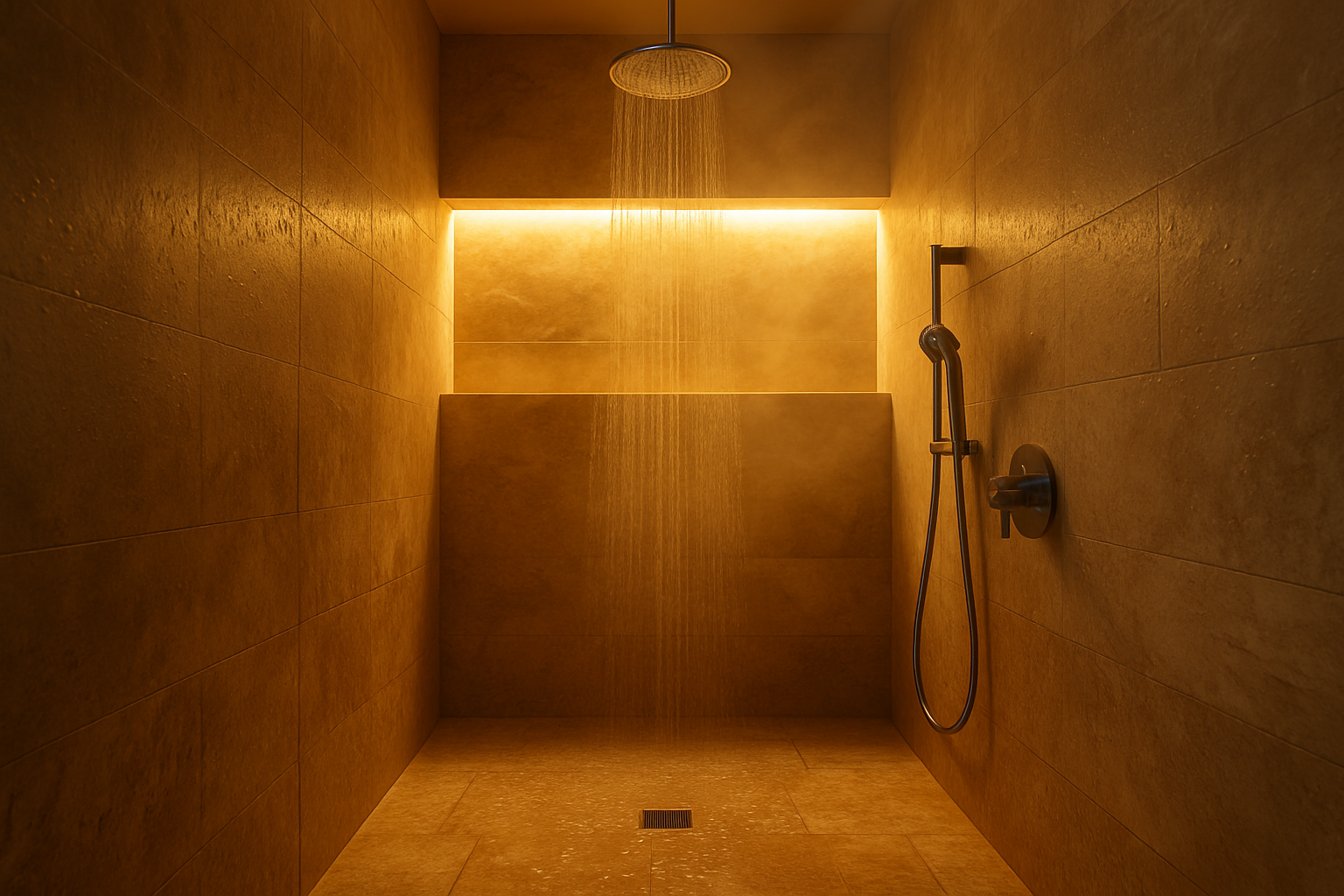
Natural Stone in the Shower: Which Type Works Where?
Not every natural stone is suitable for a wet shower. Marble, slate, granite and travertine all behave differently under constant moisture exposure.
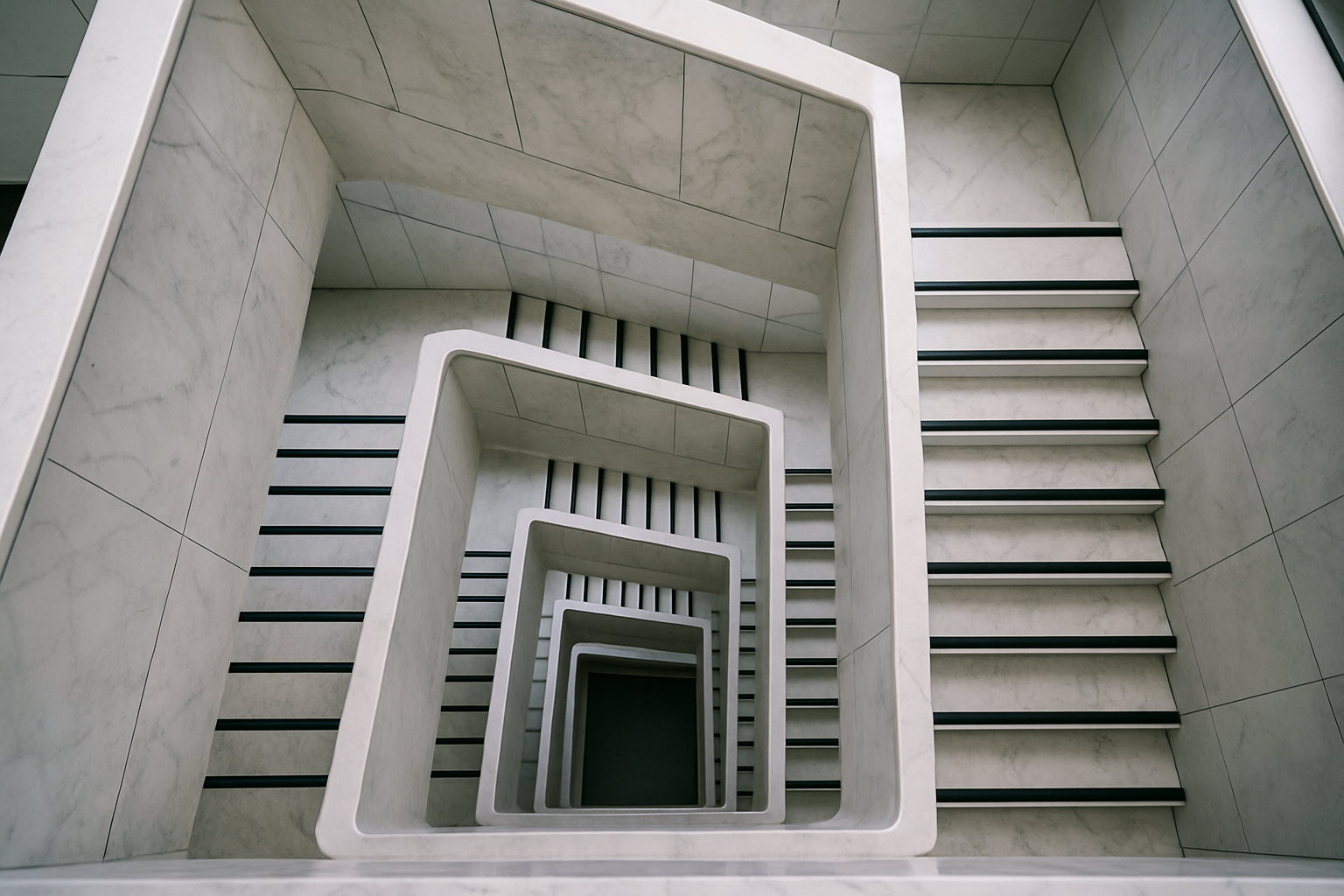
Natural-Stone Stairs: Slip Resistance, Wear and Maintenance
A natural-stone staircase is beautiful, but it has specific points of attention around safety, wear on the nosing and preserving the surface texture.
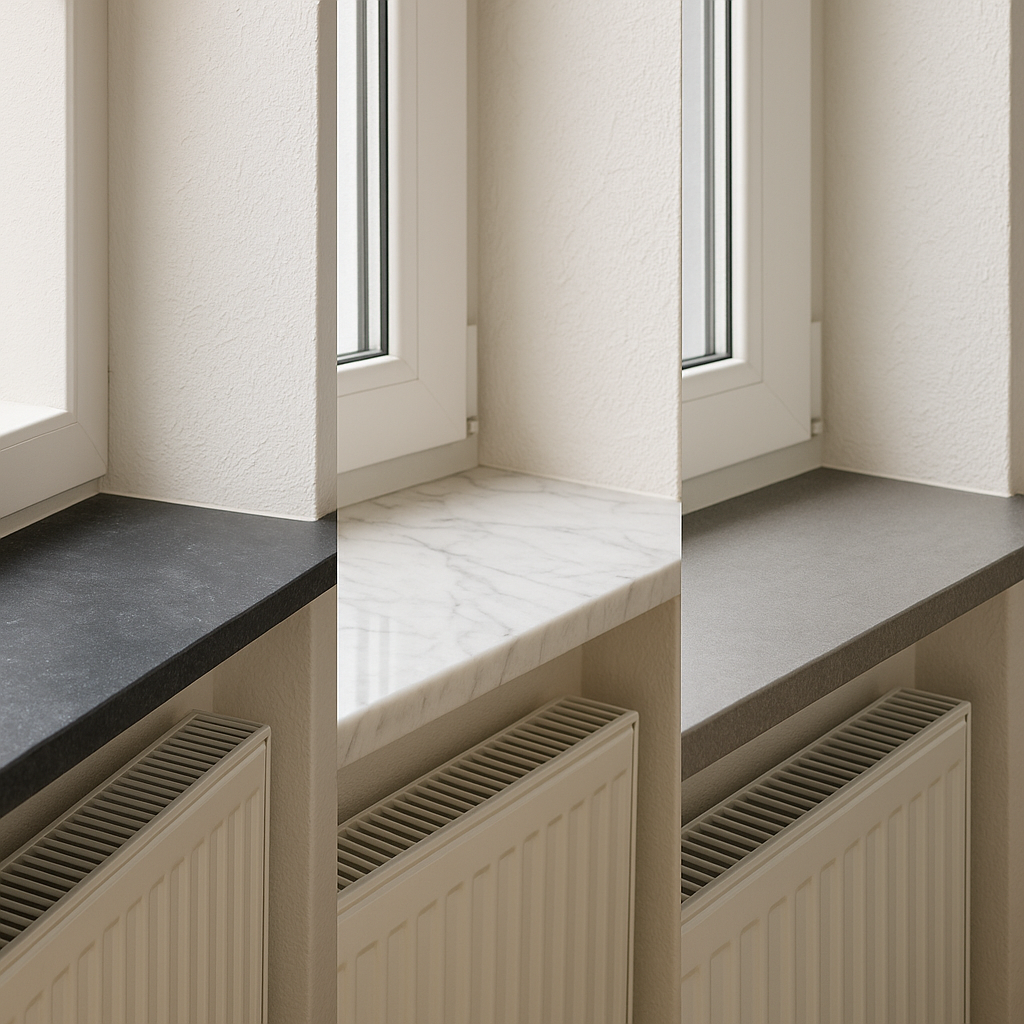
Window Sills in Bluestone, Marble or Composite: Which Should You Choose?
A window sill seems like a small decision, but it has major consequences for maintenance, durability and appearance. Bluestone, marble and composite behave very differently.