Carrara Marble: Types, Qualities and Applications
Carrara marble is one of the best-known marbles in the world. This article explains what it is, where it comes from and how to use it wisely.
DecoStone Natural Stone
Natural stone specialist · Amsterdam
Table of contents
What is Carrara marble?
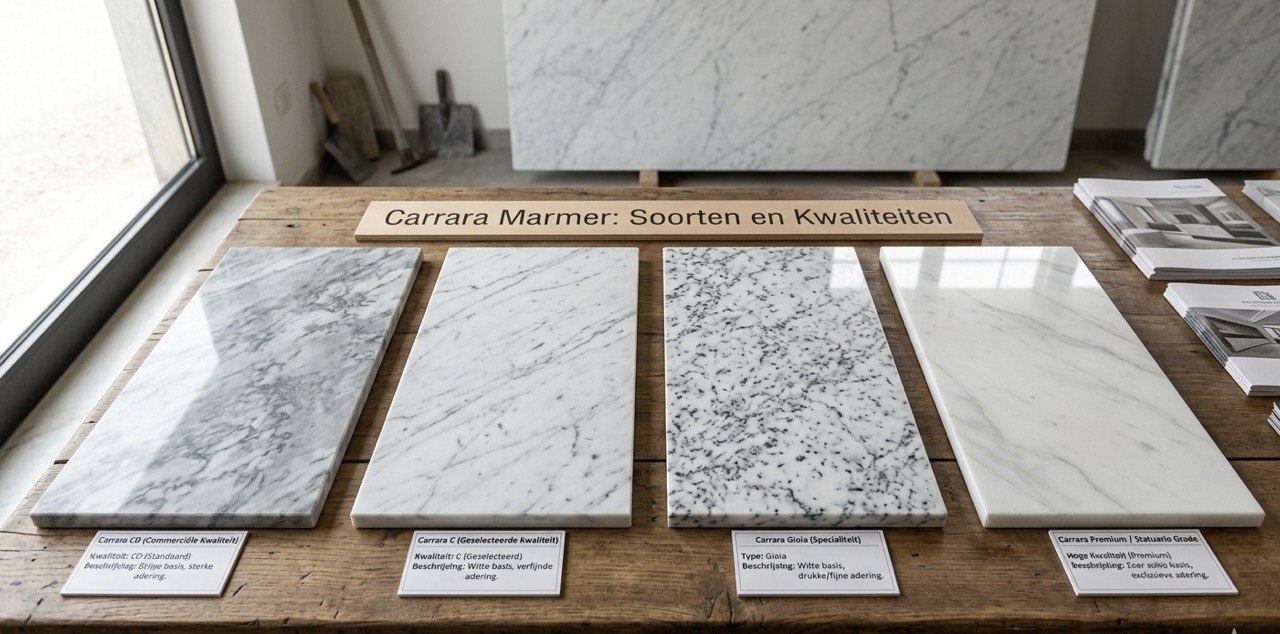
Carrara marble is one of the best-known marbles in the world. It comes from the Carrara mountains in Italy, where it has been quarried since Roman times. Carrara marble is a metamorphic rock based on limestone, with a light grey to white-grey colour and a fine, even crystal structure.
Historical context
The Carrara mountains have been an important source of marble since Roman times. Julius Caesar and Augustus used it for their monuments, and during the Renaissance it was the favourite stone of artists such as Michelangelo. Today, marble blocks are still cut from the mountains and shipped around the world.
How do you recognise Carrara marble?
Carrara marble is easily recognisable by its:
- Colour: light grey to white-grey, often with subtle grey veining
- Structure: fine, even crystals that give a soft sheen
- Surface: smooth and even, without major colour differences
- Weight: relatively light for natural stone
Applications
Carrara marble is widely used, but its strongest qualities are in:
Indoors: Floors, walls, kitchen worktops, vanity tops, bathrooms and tables. It is ideal for a luxurious, classic appearance.
Outdoors: Façade cladding, steps, façades and monuments. Carrara marble is reasonably weather-resistant, but it should be impregnated to prevent water-borne soiling.
Kitchen worktop: Carrara marble is suitable as a kitchen worktop, but it requires regular impregnation to resist acids and liquids.
Advantages
- Appearance: a light, classic look that brightens any space
- Durable: long-lasting and resistant to wear
- Easy to maintain: clean with water and a neutral cleaner
- Versatile: can be polished, brushed or given a matt finish
Disadvantages
- Porous: requires regular impregnation, especially outdoors
- Expensive: one of the more expensive marble types
- Can turn grey: without regular maintenance, it can grey over time
- Block size: small blocks are cheaper; large blocks are more expensive
Maintenance
Impregnation
This is the most important step. Always impregnate Carrara marble before use and repeat this annually for outdoor applications. Use a water-based impregnator suitable for limestone. A good impregnator penetrates the pores and forms a barrier against water and dirt ingress.
Do not use oil — it causes stains and encourages algae growth outdoors.
Daily cleaning
Use a neutral stone cleaner in water. Use a soft cloth or microfibre cloth. Do not use vinegar, citric acid or aggressive cleaning agents — they etch the surface.
For spills (lemon, wine, vinegar): rinse immediately. The longer they remain, the deeper the mark.
Filled Carrara
Carrara marble is also available filled. This is a combination of marble with a filling compound to create larger surfaces. It is cheaper than unfilled material, but has a less luxurious appearance.
Price indication
- Floor tiles (matt): €50–120 per m², depending on origin and format
- Wall tiles: €40–100 per m²
- Kitchen worktop: €80–200 per linear metre, depending on processing
Prices are guidelines and vary by supplier, format and finish.
Carrara marble is a beautiful choice for anyone who wants a light, classic look. Are you unsure whether Carrara marble suits your project? DecoStone will be happy to help you choose.
See also: Travertine: Features, Pros and Cons, Limestone: types and properties at a glance
Need help?
Are you unsure about the right approach, or would you like to know what is possible? Send a photo via WhatsApp and we will give you honest, no-obligation advice.
Want to be sure which treatment is safe?
Send photos of the surface, room and problem. DecoStone assesses the material, damage pattern and risks before advising on a treatment or quotation.
Related articles
Cristallo Quartzite: Stone Profile, Maintenance and Points of Attention
Cristallo is a luxury quartzite with a crystalline, often translucent appearance. Read how to maintain, protect and assess this material safely.
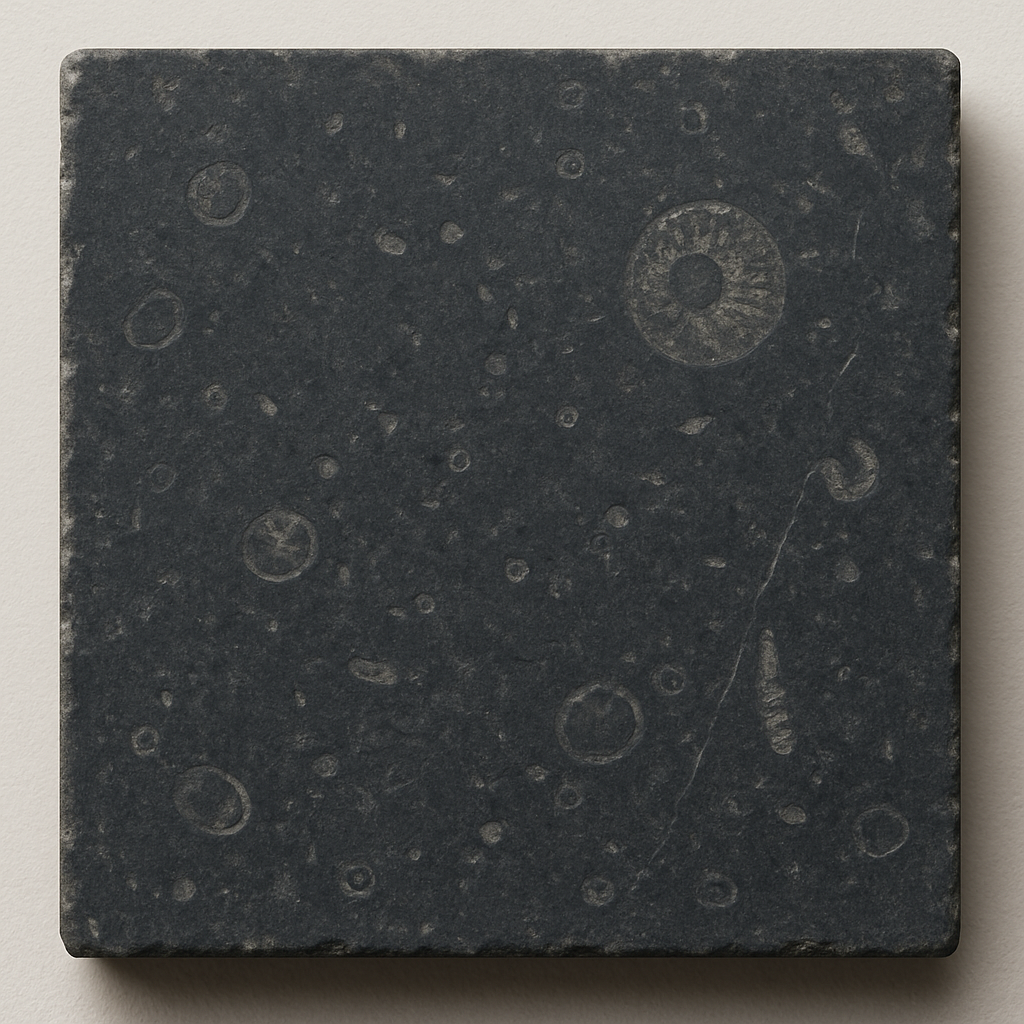
Arduin: What Exactly Is It and Where Is It Used?
Arduin is a dark grey to black natural stone that is often confused with Belgian bluestone. This article explains what arduin is and where it is used.
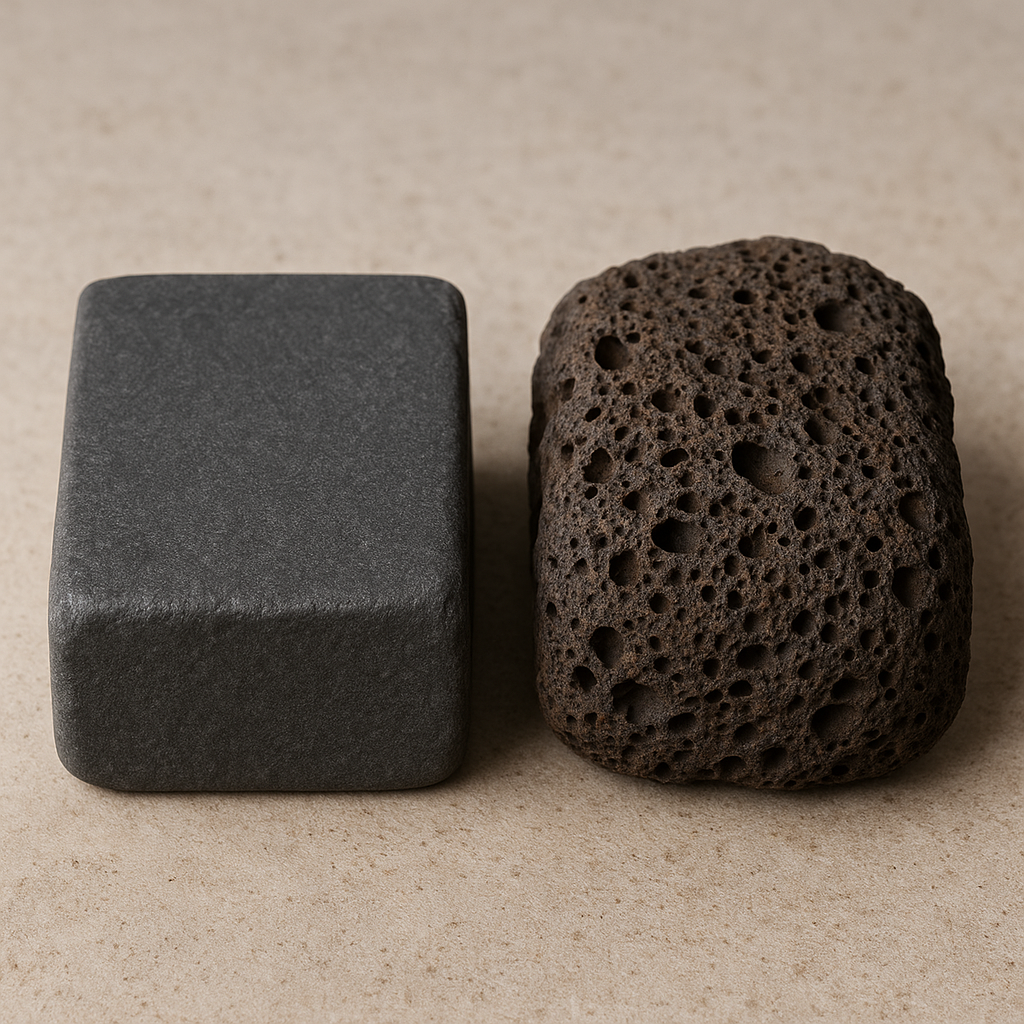
Basalt and Lava: Volcanic Natural Stone
Basalt and lava are natural stones of volcanic origin. Hard, frost-resistant and especially suitable outdoors. This article explains what they are like.