Colour Differences in Natural Stone: Normal Variation or a Defect?
Your new floor has colour differences between the tiles. Some are darker, others have more veining. When is that normal — and when is it a problem?
DecoStone Natural Stone
Natural stone specialist · Amsterdam
Table of contents
Stone is not a factory-made floor
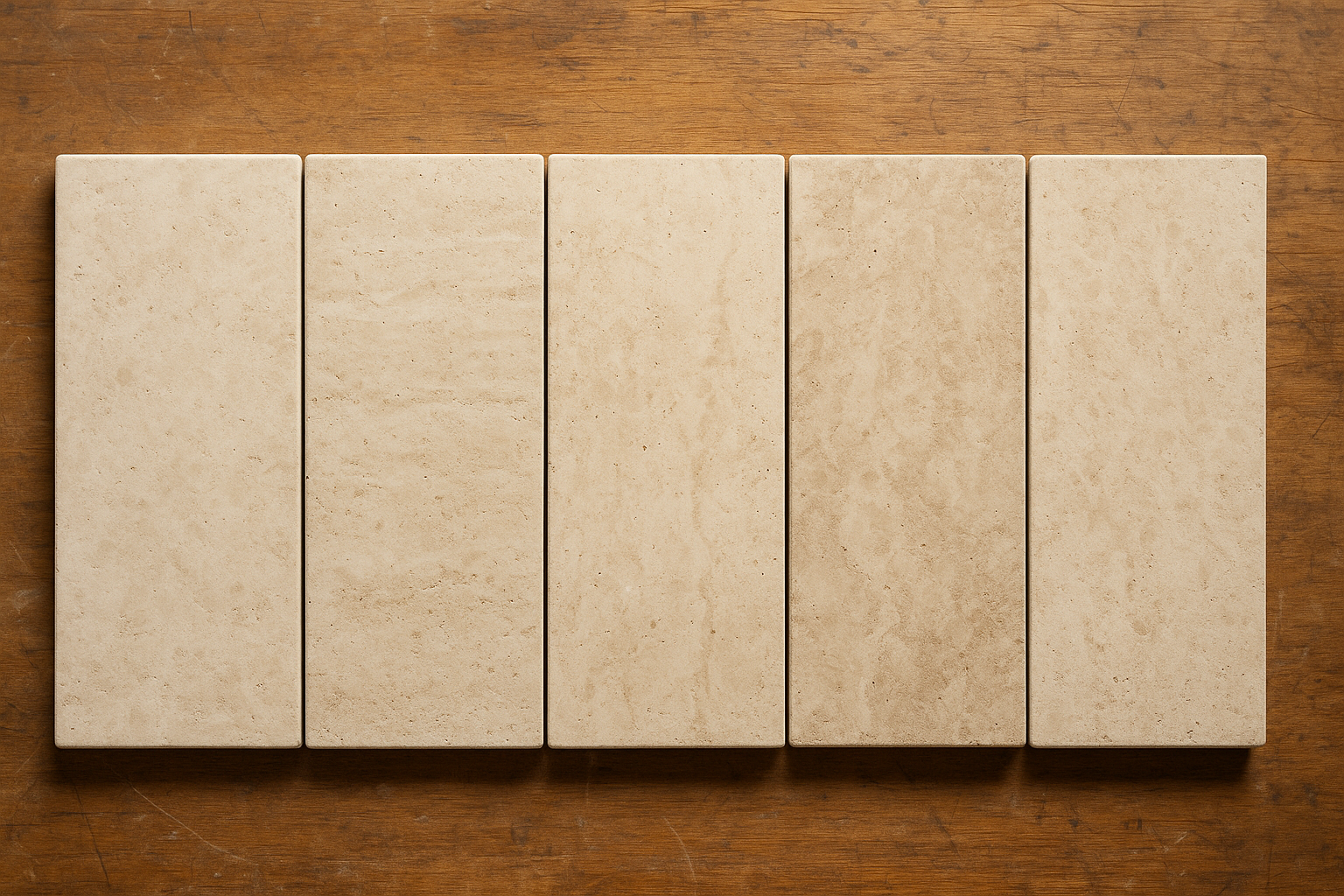
This is the first thing I tell customers who call with a complaint about colour differences: stone is a product of nature, not a product of a factory. Two tiles from the same quarry, cut one metre apart, can look different. That is not a fault — it is the material.
At the same time, there are situations where colour differences do point to a problem: a supplier change, a damaged tile, trapped moisture. Those two — normal variation and a genuine deviation — are not always easy to distinguish.
What is normal variation?
Veining and pattern
Marble, onyx and some granites naturally have irregular veining. Two tiles from the same batch can look completely different: one with strong dark veins, the other almost plain. This is inherent to the material.
If you want absolute uniformity, ceramic is a better choice than real stone.
Tone differences within a batch
Even tiles cut from the same block can show slight colour differences. This is caused by micro-variations in mineral composition, moisture content at the time of cutting or the direction of the saw cut in relation to the veins.
Different appearance due to light
A stone viewed upright looks different from the same stone viewed at an angle or in different light. This is intensified with polished finishes. In showroom lighting, a tile looks different than it does in daylight by your window at home.
Slightly darker tiles
A tile that appears slightly darker than its neighbours may simply have absorbed a little more moisture during storage or transport. This usually disappears once the stone has fully dried and is in use. Tip: place the tile in a dry room for a week. Does the colour return to normal? Then it was moisture.
When is there a problem?
Batch change without notice
If you order 50 m² and the supplier delivers two lots that are clearly from different batches — different colour, different structure — that is a delivery problem. Tiles from different batches should not be mixed in one room without consultation.
What you can do: always check on delivery whether all tiles carry the same batch number or quarry code. If in doubt, place tiles from different boxes side by side before installation.
Read more about what is normal when buying natural stone
Damaged surface layer
A tile that looks different because the top layer is damaged — cracked, chipped or chemically affected — is a different category. This is a quality defect, not material variation.
Trapped moisture after installation
If certain tiles remain persistently dark while others dry, moisture may be trapped — because of an adhesive layer that was too thick to dry properly, insufficient fall, or a leak. This requires investigation.
Reaction to adhesive or primer
Certain stones react visibly to the adhesive or primer used — a dark edge or translucent pattern that does not come from the stone itself. This is an installation error or an incompatibility problem, not a defect in the stone.
How does a professional installer handle variation?
A good natural-stone installer always does the following:
- Opens all boxes and lays the tiles out side by side before installation
- Consciously distributes colour and vein variation across the room — the darkest tiles are not placed together
- Rotates tiles where necessary so the veining forms a natural whole
- Reports excessive variation to the client before installation, not afterwards
If this was not done and the result has variation that you find disturbing, discuss it with the installer. It is harder to solve after installation, but the conversation is justified.
Reducing colour differences after installation
If the variation is not too great, several things can help:
Impregnation: a good impregnator creates a more uniform moisture balance and can visually reduce small colour differences — especially in “too dry” tiles that look lighter than the rest.
Oiling: on naturally matt stones, a light oil treatment can even out the colour. Please note: this permanently darkens the colour.
What does not work: grinding or polishing does not solve colour differences caused by mineral variation — the structure is in the stone, not on the surface.
The honest message
If you install a real natural-stone floor, you accept variation. That variation is part of the beauty — it is what distinguishes stone from ceramic.
Also read about bookmatched joints in natural stone
Large deviations, unannounced batch changes or defects are another matter. Document the delivery, lay tiles side by side before installation and agree with your installer how variation will be handled. That prevents surprises — and afterwards conversations that nobody enjoys.
Need help?
Not sure about the right approach, or would you like to know what is possible? Send us a photo via WhatsApp and we will give you honest advice — without obligation.
Want to be sure which treatment is safe?
Send photos of the surface, room and problem. DecoStone assesses the material, damage pattern and risks before advising on a treatment or quotation.
Related articles
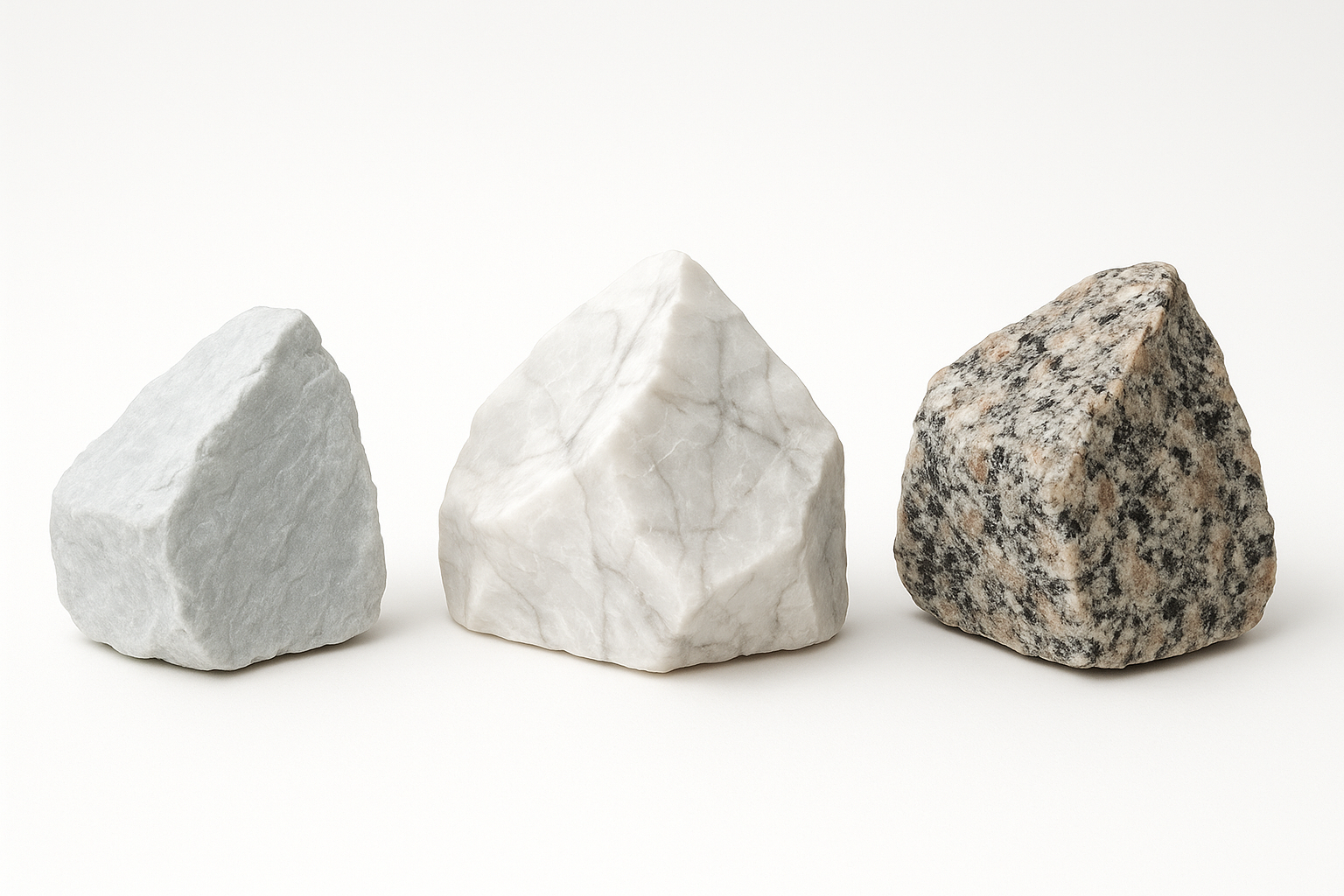
Mohs Hardness of Natural Stone: What Does It Mean in Practice?
The Mohs scale tells you how scratch-resistant a stone is. But what do those numbers really mean? And why is Mohs hardness not the same as durability?
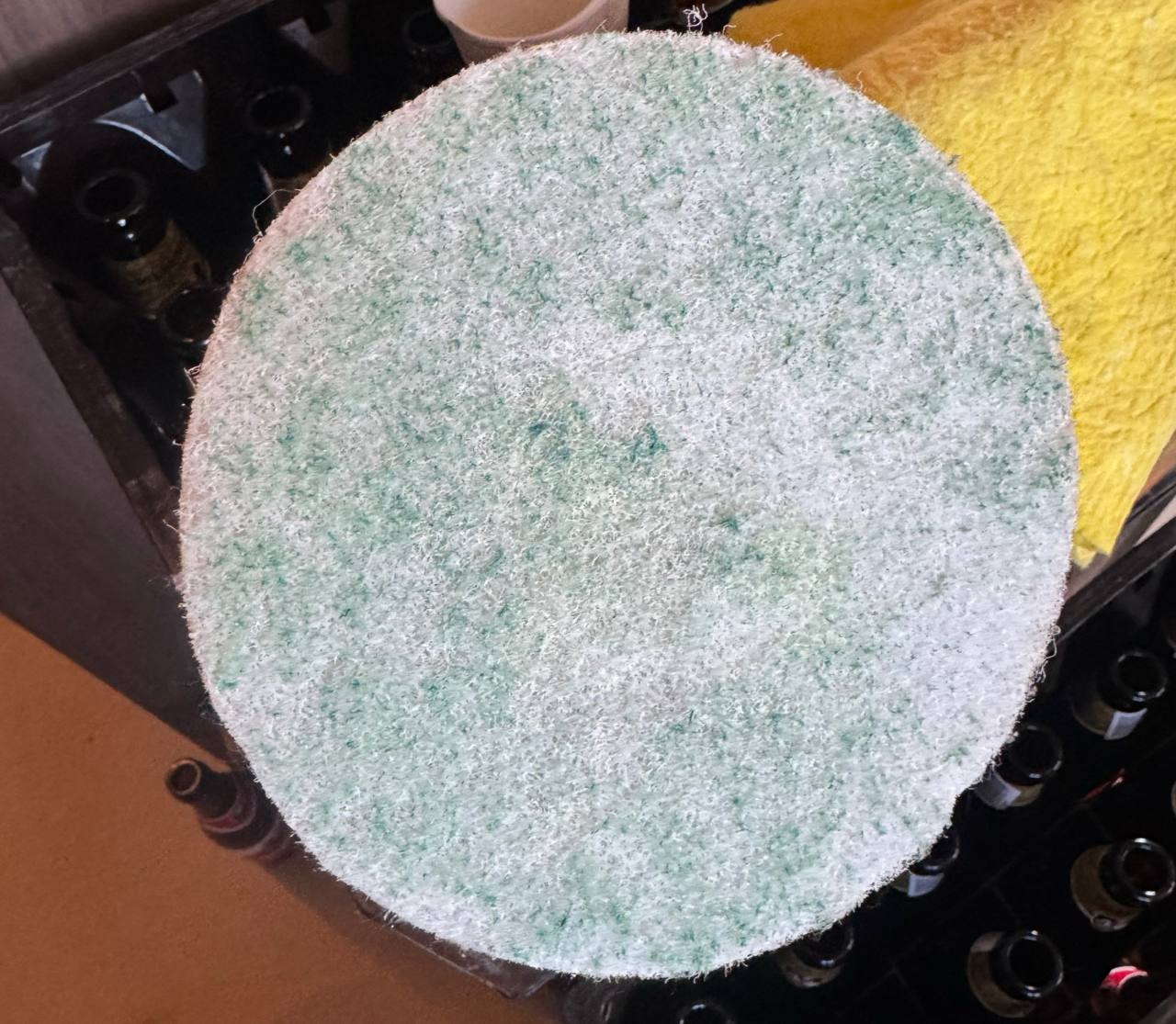
Coloured Natural Stone: Why Deep Colour Is Not Always Natural
Some natural stones are treated with dyes, oil or colour enhancers. That can look attractive, but sanding, polishing or degreasing can reveal colour differences more quickly.
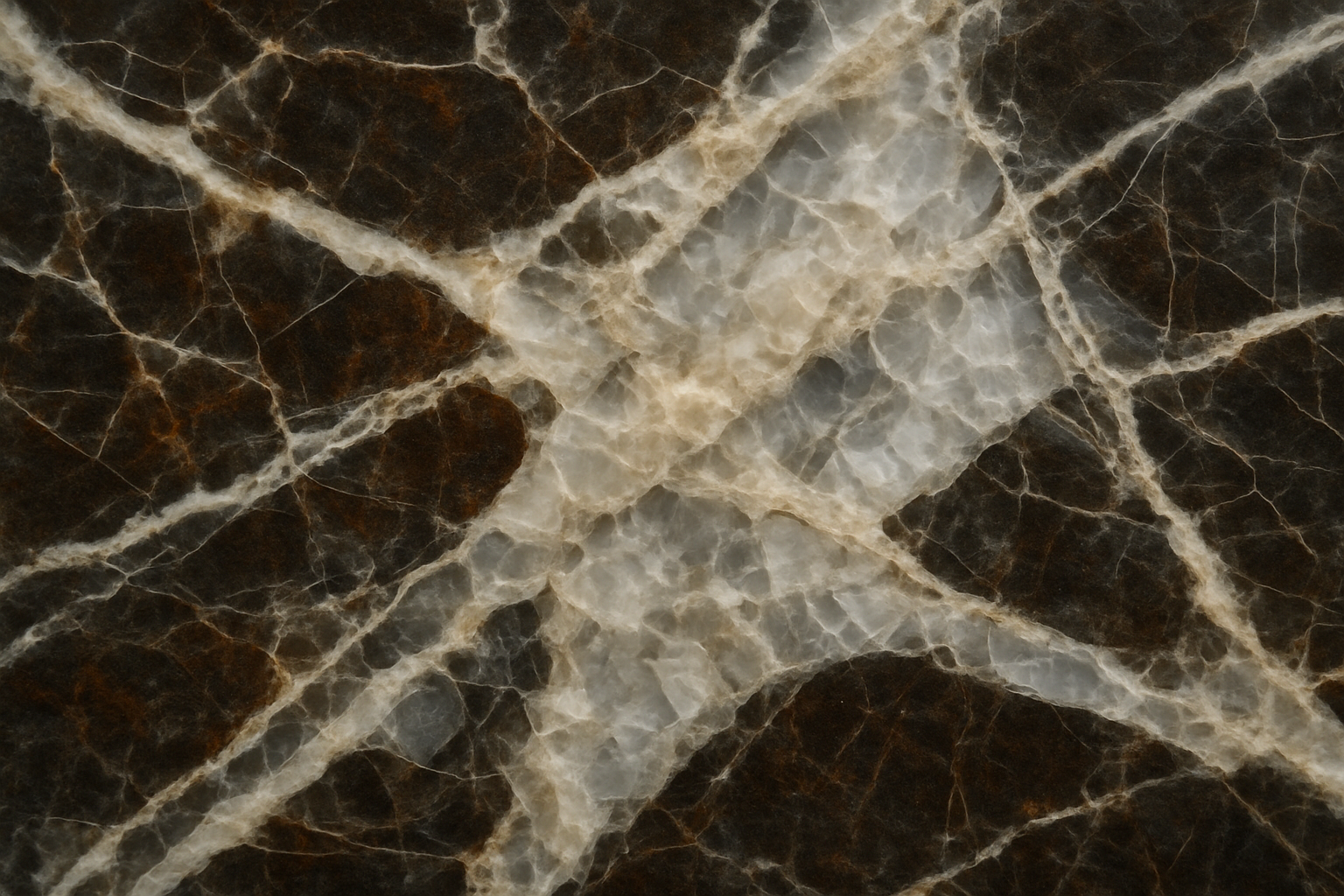
How Is Marble Formed? The Geology Behind the Material
Marble is not a random stone. It is the result of millions of years of pressure, heat and chemical change. Understanding how marble forms helps you understand how it behaves.