Marble vs. Granite vs. Quartzite vs. Composite: What Should You Choose for the Kitchen?
Marble, granite, quartzite or composite for your kitchen worktop? An honest, practical comparison of durability, maintenance, appearance and cost.
DecoStone Natuursteen
Natural stone specialist · Amsterdam
Table of contents
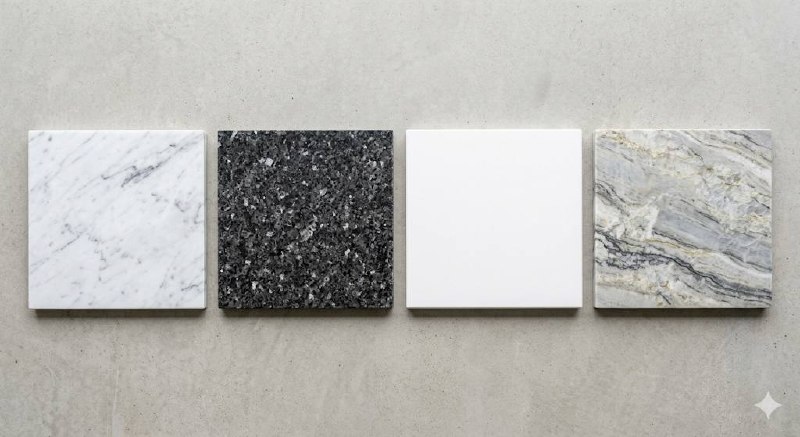
Four materials, four characters
Choosing a kitchen worktop is a decision that lasts for decades. The four most popular options — marble, granite, quartzite and composite — are so different that an honest comparison is essential before you decide.
This article presents the facts by category, without the flowery language of showroom brochures. In the end, the most beautiful stone is the one that suits the way you use your kitchen.
What is what?
Marble is a metamorphic rock made largely of calcite (calcium carbonate). It forms under extreme heat and pressure, resulting in beautiful veining. Its main drawback: calcite reacts to acid.
Granite is an igneous rock composed of quartz, feldspar and mica. It is extremely hard, low-porosity and acid-resistant. It has less soft, flowing patterning than marble, but it is more robust.
Quartzite is a metamorphic rock formed when sandstone is transformed under extreme heat and pressure. It consists largely of quartz, making it extremely hard (Mohs 7). It combines the look of marble — striking veins and movement — with the hardness and acid resistance of granite. Quartzite is becoming increasingly popular as an alternative to marble for people who want a luxurious look without acid sensitivity. Well-known types include Taj Mahal, Sea Pearl, Mont Blanc and Cristallo. See also the stone passport for Cristallo quartzite.
Composite / engineered quartz is not natural stone, but a factory-made product: 90–95% ground quartz bound with resin. It has no pores, does not absorb and is almost maintenance-free. Note: composite (man-made) is different from quartzite (natural stone).
Comparison 1: Durability and hardness
Granite wins on hardness (Mohs 6–7). It resists scratches from ordinary kitchen knives. It tolerates hot pans reasonably well, although thermal shock is never entirely risk-free.
Composite is hard (Mohs 7) but contains resin, which can deform or discolour under extreme heat (>150°C). Hot pans directly on composite = risk.
Marble is softer (Mohs 3–5) and scratches with aggressive use. Knives leave marks if used directly on the surface. With normal use and chopping boards, however, this is not a daily problem.
Quartzite is comparable to granite in hardness (Mohs 7). It is scratch-resistant and tolerates high temperatures. Its quartz base makes it more robust than marble and comparable to granite.
Conclusion: For a heavily used kitchen, granite or quartzite is the most durable. Marble needs more awareness, but is certainly workable.
Comparison 2: Acid resistance
This is the most critical difference in kitchens.
Marble: Directly sensitive to acids. Lemon juice, vinegar, wine, soft drinks — all can cause etching on contact. Etching is surface attack: the surface becomes matt and rough. It cannot be removed by cleaning; it requires professional polishing. See also: Etching on marble.
Granite: Excellent acid resistance. Quartz and feldspar do not react to the acids typically found in a kitchen. This is one of granite’s biggest advantages.
Composite: Also good resistance. Quartz does not react to acid. Note: resin can become dull after prolonged contact with certain chemicals, but this is uncommon in normal use.
Quartzite: Excellent acid resistance, comparable to granite. This is exactly where quartzite performs well: it has the luxurious look of marble without acid sensitivity. If you love marble but worry about lemon juice and vinegar, quartzite is the solution.
Conclusion: If you do not want to pay close attention to every spill, choose granite, quartzite or composite. Quartzite is the ideal middle ground for those who want the look of marble without the worries.
Comparison 3: Maintenance intensity
Marble:
- Annual impregnation with a food-safe product such as BioShield Countertop
- pH-neutral stone cleaner; no standard kitchen cleaners
- Wipe away acids immediately
- Occasional professional polishing if etching occurs
Granite:
- Impregnate once a year
- pH-neutral cleaner recommended, though granite is more forgiving
- Practically maintenance-free in normal use
Composite:
- No impregnation needed (non-porous)
- Clean with ordinary kitchen products
- Practically maintenance-free
- Avoid abrasives that can affect the resin structure
Conclusion: Composite is the least demanding. Granite is simple. Marble asks for the most attention, but those who accept that get something beautiful.
Comparison 4: Appearance and uniqueness
Marble: Every slab is unique. The veining, tone and movement in the pattern cannot be imitated. Marble has warmth, depth and timelessness that synthetic materials do not match. It also ages: a lightly patinated marble worktop has character.
Granite: A beautiful, compact grain pattern. Less dramatic than marble, but solid and understated. Works well in modern and industrial interiors. Less variation within a single stone type.
Composite: Even and predictable. What you see in the showroom is exactly what you get at home. Modern designs are often attractive, but they lack the organic unpredictability of real stone.
Conclusion: If character and appearance decide it, choose marble. If you want consistency and “what you see is what you get”, composite is clear.
Comparison 5: Price
Rough guideline including installation (variations are large by supplier and region):
| Material | Price range (including installation) |
|---|---|
| Standard granite | €250–450 per m² |
| Quartzite (Taj Mahal, Sea Pearl) | €400–800 per m² |
| Marble (Carrara, standard) | €350–600 per m² |
| Composite (Silestone, Caesarstone etc.) | €300–550 per m² |
| Special marble (Statuario, Calacatta) | €700–1500+ per m² |
| Special quartzite (Cristallo, Patagonia) | €600–1200+ per m² |
| Special granite | €400–700 per m² |
Maintenance for marble (annual impregnation, periodic polishing) adds €50–200 per year. Composite and granite are cheaper to maintain.
Who chooses what?
Choose marble if:
- Appearance and uniqueness come first
- You can use the material consciously (chopping boards, wiping acids away)
- You are willing to do periodic maintenance
- You like the “living” quality of stone
Choose quartzite if:
- You want the luxurious look of marble without acid sensitivity
- You want natural stone that can take a knock
- You want something unique that not everyone has
- The budget may be slightly higher than granite
Choose granite if:
- You have a busy kitchen but want natural stone
- You do not want to monitor every drop of lemon juice
- A robust, long-lasting solution is the goal
Choose composite if:
- You want no maintenance
- Children, chaos and intensive use are reality
- You value a consistent look more than uniqueness
- You also use composite elsewhere and want one consistent line
The craftsman’s view
We install and restore all of these materials. The question we hear most often is: “What would you choose yourself?”
Honest answer: for a busy family kitchen with young children, we recommend granite or composite. For a kitchen that is primarily an aesthetic statement: marble. And for people who use it consciously: marble too, with proper impregnation and an annual check.
There is no wrong answer. There is only the choice that suits your use and your taste.
Need help? Contact DecoStone for personal advice →
See also: Bianco Carrara in the kitchen: maintenance and protection
Need help?
Unsure about the right approach, or want to know what is possible? Send us a photo via WhatsApp and we will give you honest advice — without obligation.
Want to be sure which treatment is safe?
Send photos of the surface, room and problem. DecoStone assesses the material, damage pattern and risks before advising on a treatment or quotation.
Related articles
Cristallo Quartzite: Stone Profile, Maintenance and Points of Attention
Cristallo is a luxury quartzite with a crystalline, often translucent appearance. Read how to maintain, protect and assess this material safely.
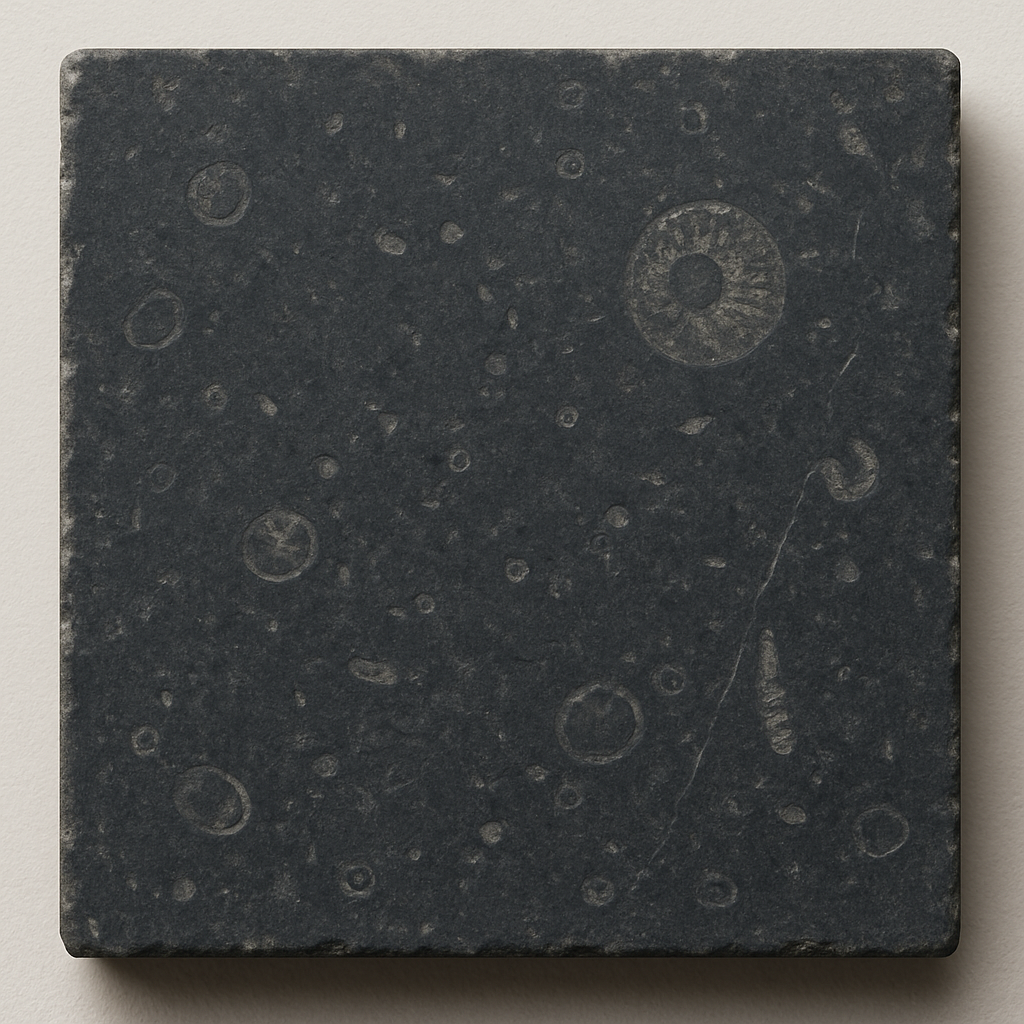
Arduin: What Exactly Is It and Where Is It Used?
Arduin is a dark grey to black natural stone that is often confused with Belgian bluestone. This article explains what arduin is and where it is used.
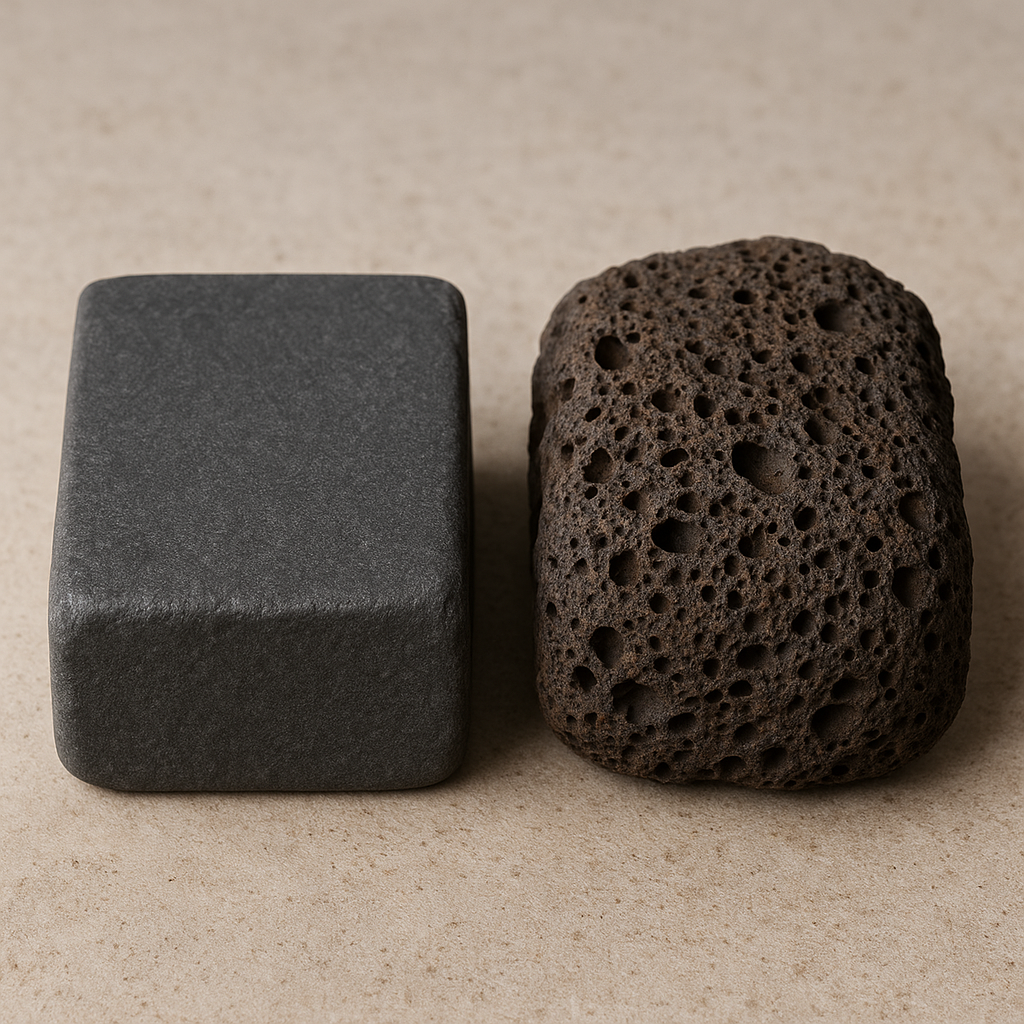
Basalt and Lava: Volcanic Natural Stone
Basalt and lava are natural stones of volcanic origin. Hard, frost-resistant and especially suitable outdoors. This article explains what they are like.