Sandstone: Features, Use and Maintenance
Sandstone is a popular natural stone for interiors and exteriors. This article explains what it is, where it is used and how best to maintain it.
DecoStone Natural Stone
Natural stone specialist · Amsterdam
Table of contents
What is sandstone?
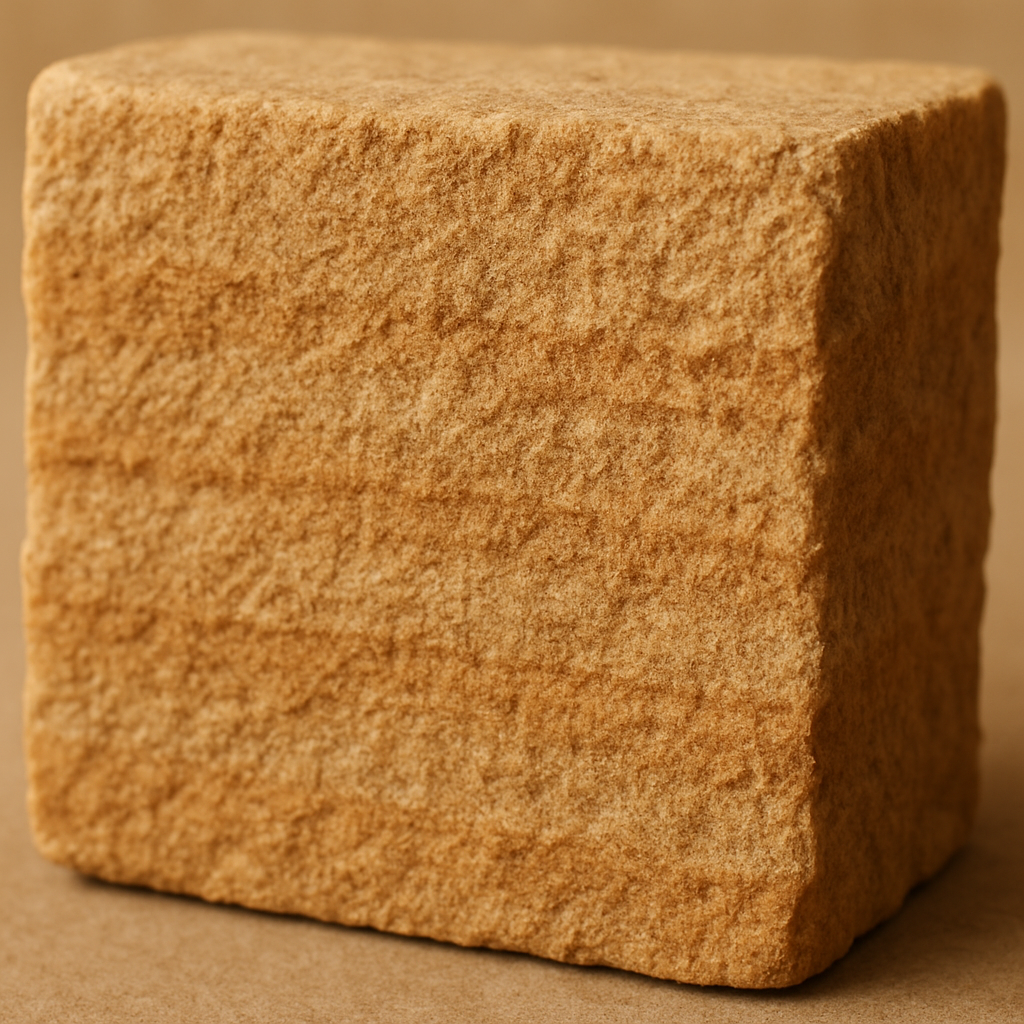
Sandstone is a sedimentary rock formed from compressed grains of sand. Under pressure and through natural cements such as quartz, calcite or iron oxide, the sand grains are bonded together into a solid stone. The result is a porous stone with a granular structure and a warm, natural appearance.
The colour of sandstone varies greatly: from white and beige to red, brown, green and purple — depending on the mineral composition and iron content. Sandstone is quarried all over the world, with well-known quarries in India, Germany, Australia and the United States.
How do you recognise sandstone?
Sandstone is easy to recognise by its:
- Colour: warm beige, red, brown, yellow — often with colour variations
- Structure: granular, visible sand grains
- Surface: naturally matt and porous, or lightly polished
- Weight: lighter than granite, heavier than limestone
Sandstone often feels slightly rougher than other natural stones because of the visible sand grains.
Applications
Sandstone is widely used, both indoors and outdoors:
Indoors: Floor tiles in living rooms, halls and kitchens. Wall cladding in bathrooms and living spaces. Sandstone gives a warm, natural appearance that suits both country-style and modern interiors.
Outdoors: Terraces, paths, stairs and façade cladding. Sandstone has good weather resistance, but frost resistance differs by type. Dense variants with low water absorption are suitable for Dutch winters; porous types can be damaged during severe frost.
Kitchen worktop: Sandstone is suitable as a kitchen worktop, but it requires regular impregnation. It is heat-resistant but porous, so liquids can penetrate.
Advantages
- Warm, natural appearance: unique colour variations in every slab
- Durable: lasts for decades with good maintenance
- Anti-slip: naturally rough surface, safe in wet weather
- Wide range: many formats, thicknesses and finishes available
- Affordable: cheaper than granite or marble
Disadvantages
- Porous: requires regular impregnation
- Sensitive to stains: absorbs water and oil easily
- Variable hardness: some types are softer and wear faster
- Frost sensitivity: not all types are frost-resistant
- Colour differences: every batch can differ in colour
Maintenance
Impregnation
This is the most important step. Always impregnate sandstone before use and repeat this annually outdoors, every 2 years indoors. Use a water-based impregnator suitable for sandstone. A good impregnator penetrates the pores and forms a barrier against water and dirt.
Do not use oil — it causes stains and encourages algae growth outdoors.
Daily cleaning
Use warm water with a neutral stone cleaner. Use a soft cloth or microfibre cloth. Do not use vinegar, citric acid or aggressive cleaning agents — these can attack the binder between the sand grains.
For spills: rinse immediately. The longer they remain, the deeper the stain.
Repair
Stains in sandstone are difficult to remove once they have penetrated. Prevention through good impregnation is more important than repair afterwards.
Price indication
- Indoor floor tiles: €30–70 per m², depending on origin and format
- Outdoor floor tiles: €40–90 per m²
- Façade cladding: €50–120 per m²
- Stair treads: €80–200 per linear metre
Prices are guidelines and vary by supplier, format and finish.
Sandstone outdoors: pay attention to frost resistance
Not all sandstone is frost-resistant. Always ask for a test report with water absorption (EN 1925) and frost resistance (EN 12371). Sandstone with water absorption above 2% is risky for outdoor use in the Netherlands.
Sandstone is a beautiful choice for anyone seeking a warm, natural look. Are you unsure whether sandstone suits your project? DecoStone will be happy to help you choose.
See also: Limestone: Types and Properties at a Glance, Travertine: Features, Pros and Cons
Need help?
Are you unsure about the right approach, or would you like to know what is possible? Send a photo via WhatsApp and we will give you honest, no-obligation advice.
Want to be sure which treatment is safe?
Send photos of the surface, room and problem. DecoStone assesses the material, damage pattern and risks before advising on a treatment or quotation.
Related articles
Cristallo Quartzite: Stone Profile, Maintenance and Points of Attention
Cristallo is a luxury quartzite with a crystalline, often translucent appearance. Read how to maintain, protect and assess this material safely.
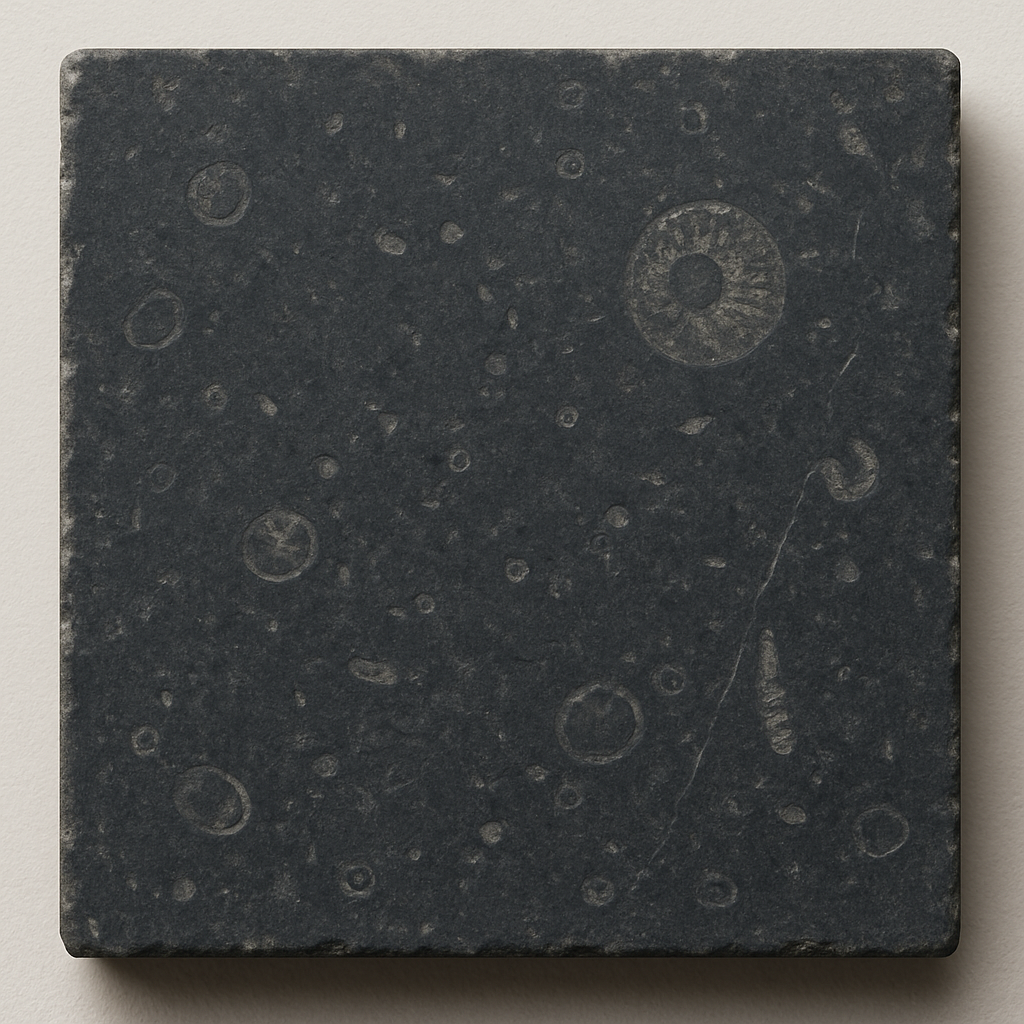
Arduin: What Exactly Is It and Where Is It Used?
Arduin is a dark grey to black natural stone that is often confused with Belgian bluestone. This article explains what arduin is and where it is used.
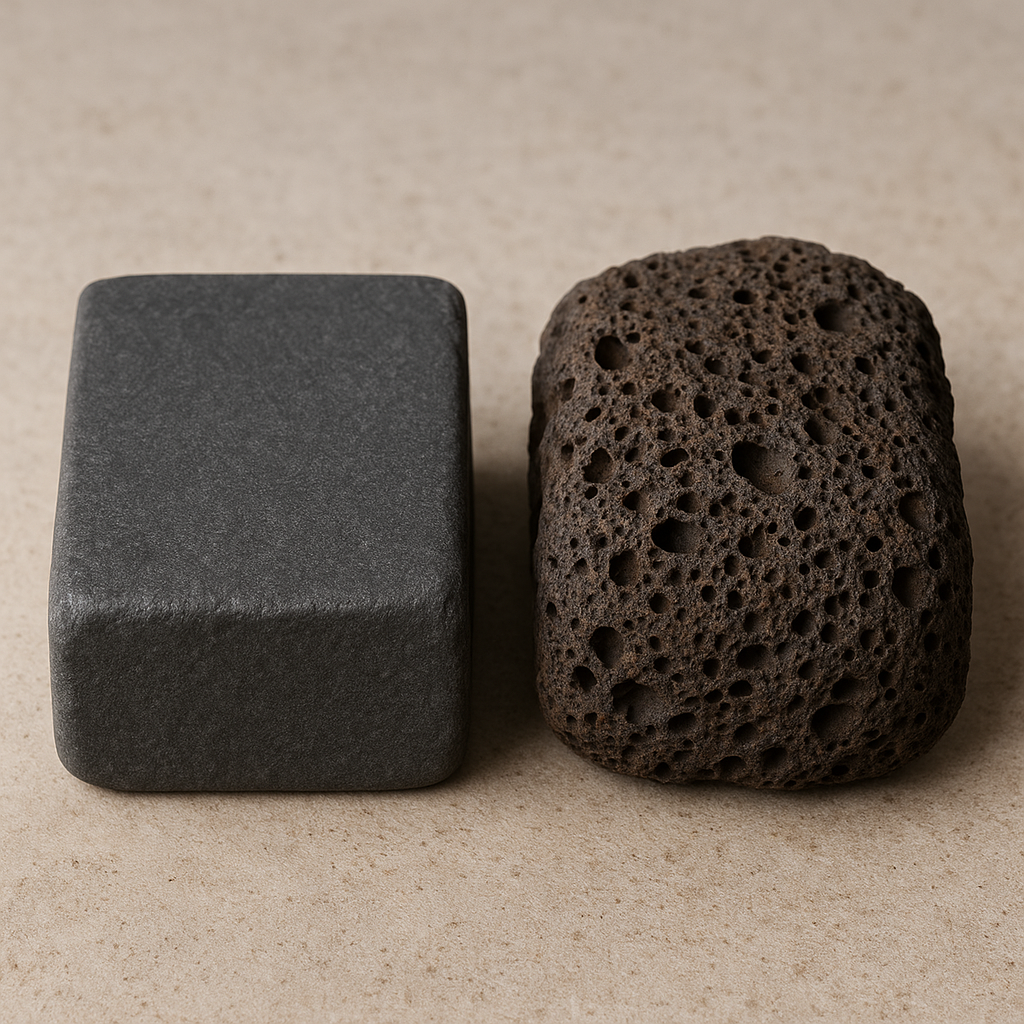
Basalt and Lava: Volcanic Natural Stone
Basalt and lava are natural stones of volcanic origin. Hard, frost-resistant and especially suitable outdoors. This article explains what they are like.